Russia was once one of the most important growth markets for many car manufacturers. With the Russian raid in Ukraine, an abrupt end came to that. Except for Chinese brands, because they saw the chance of their lives and grabbed it. Since then it has been uphill again with car sales in Russia.
The Russian Federation was one of the fastest growing car markets in the world for a long time. In the first decade of this century, the Russian car market already grew like cabbage. In 2005 it was good for the sale of just under one and a half million new cars, fourteen percent more than the year before. That already turned out to be healthy growth, which even increased car sales in 2007 even by 67 percent compared to 2006.
A year later, Russia was the fastest growing car market worldwide. But the global economic recession also hit the Russian car market, ending the golden years abruptly. Of the nearly one and a half million cars sold in 2008, not much more than a third was left in 2009.
State aid of Putin
To give their own industry a support, President Vladimir Putin gave state aid to manufacturers (where did we hear more?) And he introduced high import rates up to one hundred percent on foreign cars (again, where have we heard that more?). Let Xi Jinping and Donald Trump not hear it, but the state aid and import duties worked. When Russia was over again in 2010, the car market was back at the old level, with the difference that ninety percent of the cars sold was a domestic product. Mind you, not a domestic brand, because the majority consisted of Western models that rolled into Russia from the production band.
Western manufacturers had not escaped the market potential of the immeasurable country in the east. In addition to the growth in demand for cars in general, Russians prefer to buy something Western than the outdated models that their own manufacturers had to offer. There is plenty of reasons for Western manufacturers to put their towel in Russia. In addition, the costs for wages and energy there were also many times lower than in the West. As early as 2001, Ford started with car production in Russia and other manufacturers soon.
Crimea, Covid and Ukraine
In the early years ten, the market rose from less than two million passenger cars and light commercial vehicles (*) in 2010 to nearly three million in 2012. After that, growth stagnated somewhat, until the economic sanctions as a result of the raid on the Crimea the new sales made it to 1.6 million in 2015. In 2020, sales were once again getting cobbled by the breakdown of Covid.
But the biggest blows received the industry after the Russian invasion in Ukraine, 24 February 2022. The economic sanctions imposed from the West in response led to Western brands not only reducing their sales, but also the production in Russia greatly and even completely stakes. That year ended with 690,000 new registrations, less than half of the previous years before. In an attempt to give its own manufacturers a helping hand, the Russian government temporarily relaxed the legal requirements regarding safety and emissions, but that measure could not fill the holes left behind.
China on the lurking
Filling those holes were the worldwide Chinese car manufacturers that were already on the rise. The fact that China and Russia traditionally maintained intimate ties made it a lot more logical that the Chinese filled the gaps that Western manufacturers left behind. Since the ‘special operation’ against Ukraine, almost all new cars for Russia have come from the so-called EAEU countries: Eurasian Economic Union: Armenia, Belarus, Kazakhstan, Kyrgyzstan, Russia, Thajikistan, Uzbekistan, China, Iran, Moldavia and Vietnam.
It could happen that from 2023 the upward trend will be back. In 2022, the year of the raid in Ukraine, the Russian market plummeted by -58.8 percent to 687,000 passenger cars and light commercial vehicles. Whereas in 2021 a little more than a quarter of the newly sold cars in Russia came from their own country, it was 39 percent over 2023 and even climbed to 68 percent in the last month of the first year of war. The six best -selling models were all Russian at that time, which had not happened for twenty years.
The Chinese, who, although already in 2005, took their first, cautious step in Russia with the Great Wall Deer, had to be steamed at the time, but in the meantime their advance is unstoppable. Where in 2021 7 percent of the newly sold cars were from Chinese descent, that share was already 18 percent in 2022. That turned out to be only the beginning, because 2023 closed Russia with 47 percent Chinese.
Lada X-Cross 5, a Chinese-Russian collaboration.
Tank no tank
To unravel how things went, we dive into the Russian sales figures for 2024. Last year, Lada was a share of 27.8 percent leader in the home market. The well -known brand of Avtovaz started its existence once with license -built Fiats 124, the Lada 1200, which thanks to its low price also sold well in our country for years. Lada came into the hands of Renault in 2016, where the weather was housed under the Dacia flag. This is the witness of this, among other things, the Lada Largus, which we know under the name Dacia Logan MCV. In 2022, Renault Lada sold back to the Russian state.
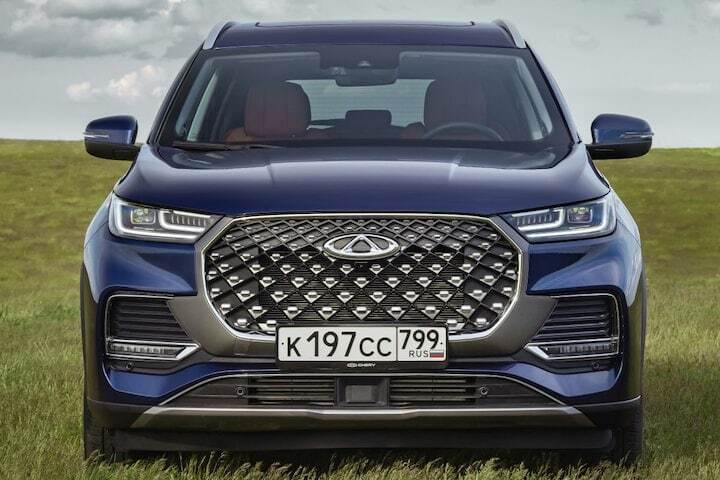
At number two we find Haval with 12.1 percent market share. Haval is a sub -brand of Great Wall Motor and scores in Russia especially with the Jolion and the M6. At number three is exactly ten percent Chery, thanks to the sought after Tiggo and the Monjaro. But actually many more rubles flow to Chery’s headquarters in Wuhu, because also sub-brands Omoda (at 3.2 percent at 3.2 percent), exed (at 2.6 percent) and Jetour (at eight with 2.2 percent) are in the Russian brands top ten.
A market share of 9.5 percent gives Geely a fourth place in the ranking, followed by Changan with 6.8 percent. Changan is a Chinese state -owned company that is almost unknown to us, but is one of the major players in the Chinese industry. We already mentioned six, seven and eight above, at nine we find Belgee: yes, a brand from Belarus, although it is in fact a joint venture between the Belarussian state and Geely. Hence the name. Under the all -seeing eye of Aleksandr Loekashenko, the Gey Boyue, a medium -sized SUV, is screwed together in Barysaw.
Finally, we find a brand in tenth place whose name Putin should sound like music to the ears: Tank. Unfortunately for the great leader, Tank does not build tanks, but it does build cars that come as close as possible: thick, off -like and robust SUVs. Just like Haval, Tank is part of Geely.
Special operation
It is questionable whether the Western brands can reclaim a share of the Russian market after a war termination. Although the acceptance of Chinese car brands among Russian consumers initially was somewhat difficult, hindered by doubts, among other things, the quality, after -sales service and the availability of parts, you can expect the Chinese to resolve these bottlenecks as far as necessary. Although of course completely unimportant in comparison with the suffering that this war brought about, the effect of Putin’s ‘special operation’ keeps its effect on the Russian street scene for many years.
*In this article we are talking about passenger cars and light commercial vehicles, because in the Russian statistics these two species are usually thrown in a lot.
The resurrection of Moskvitch
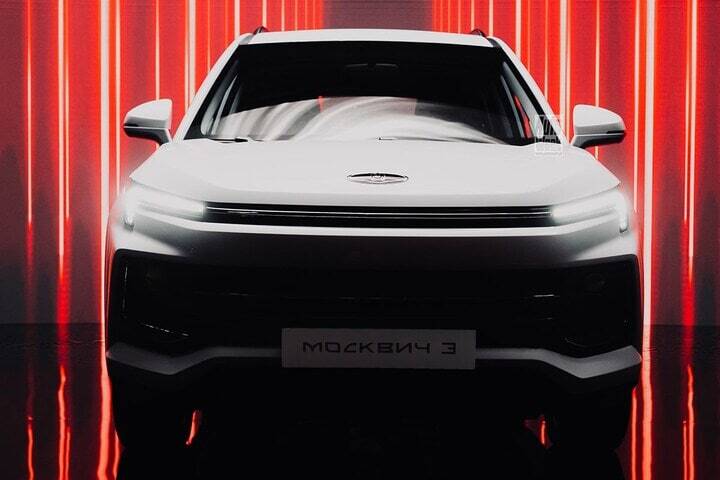
If Putin wants to bring Russia back to the old Soviet glory with his warliness, it will certainly have succeeded in Moskvitch. The Soviet brand that was created under Joseph Stalin was destroyed after the fall of communism, but is completely added again due to the war against Ukraine. When Renault still had interests in Russia, plans arose to remove the brand name in Russia, which means something like Moskoviet, from the mothballs. That did not happen, but Renault brought the old, vacant factory in Moscow to life by assembling Dacia Logans. When the international sanctions forced Renault to stop, the new owner of the factory, the city of Moscow, decided to build cars under the old name Moskvitch. They are not that, by the way, because the entire model range, three SUVs and a sedan, are little more than baded Jac’s. So Chinese.
Russian toppers over the years
Lada has been the brand of the Soviet Union and later Russia since its start in 1970. The LADA models, sold in the Netherlands under the type designations 1200, 1500 S, 1600 GL, 2105 and 2107, were immensely popular in Russia for years. Despite competition from home in the form of the Lada Samara from 2004, the old block box retained its position up to and including 2010.
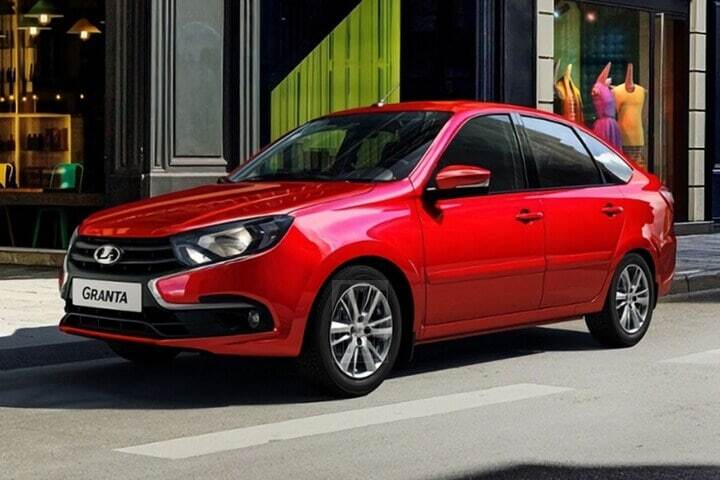
Successor Lada Granta was the best -selling model in Russia since 2013 and it remained, with the exception of a few lesser years, to date. Nevertheless, Lada has been increasing competition from abroad since the beginning of the 21st century. Ford managed to get many Russians in the focus in 2008, while Renault cashed in his interests in Russia with, among other things, the great success of the Renault Logan, better known as the first Dacia Logan. The South Koreans also managed to find mother Russia, which is quite remarkable in itself, given the sympathy of Russia for Seoul’s arch enemy … In the middle of the previous decade, the Hyundai Solaris sold the Kia Rio was also in great demand around that time.
Who produced in Russia?
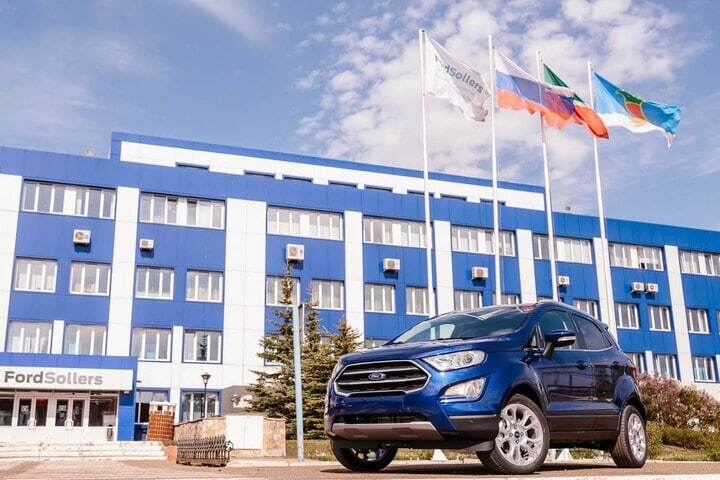
Ford set up a factory in Vsevolozhsk in 2001, making it the first Western manufacturer to build in Russia. The Mondeo and the Focus were built there. In addition, Ford had a joint venture with the Russian Sollers. Under the Ford Sollers flag, the Transit, Kuga, Explorer, S-Max, EcoSport and Fiesta were built in factories in Yelabuga and Naberzhnye. From 2008, Renault was co-owner of Avtovaz, who besides Lada’s in Togliatti also built the Renault Logan and Sandero. The Duster, Kaptur and Arkana rolled off the band in Moscow.
Toyota built the Camry and RAV4 in Sint Petersburg. In the same city, Hyundai and Kia had a factory for the Hyundai Solaris and Creta and the Kia Rio, in Kaliningrad de Hyundai i40, Elantra and Equus and the Kia Optima, Sportage and Cee’d crees out of their eggs. In the same Kaliningrad, BMW had AVTOTOR built the 3, 5 and 7 series and the X1, X3, X5 and X6.
GM also entrusted a series of models to AVTOTOR until 2015, including the Opel Astra, Zafira and Insignia and a number of Chevrolets and Cadillacs. Stellantis had its own factory for the Peugeot 408, Opel Astra and the Citroën C4 Sedan in Kaluga. In Sint Petersburg, Nissan had its own factory for the X-Trail, Qashqai and Murano and Mitsubishi, Mazda and Fiat finally all three worked with Sollers in Naerezhnye and Vladivostok.
Once, Russia was one of the most importing growth markets for many car manufacturers. The Russian Invasion of Ukraine Brought an Abrupt End to That. Except for Chinese Brands, because they Saw the Opportunity of Their Lives and Seized It. Since then, Car Sales in Russia Have Been on the Rise Again.
The Russian Federation was Long Considered One of the Fastest-Growing Car Markets in the World. In The First Decade of This Century, The Russian Car Market Already Grew Rapidly. In 2005, IT accounted for the sale of just under one and a half million new cars, fourteen percent more than the year before. This already Healthy Growth Proved Exponential, with Car Sales in 2007 Even Increasing by 67 percent Compared to 2006.
A year later, Russia was The Fastest-Growing Car Market Worldwide. But the Global Economic Recession also affected the Russian Car Market, Abruptly Ending the Golden Years. Of the nearly one and a half Million cars Sold in 2008, Little More than a third Remained in 2009.
State Support From Putin
To give its own industry a boost, President Vladimir Putin Provied State Support to Manufacturers (Where Have We Heart That Before?) And Introduced High Import Tariffs of Up to One Hundred Percent On Foreign Cars (Again, Where Have We Heard Is Before?). Don’t Let Xi Jinping and Donald Trump Hear It, But The State Support and Import Duties Worked. When Russia recovered from the recession in 2010, The Car Market was back to its old Level, with the differentence that ninety percent of the cars Sold Were Domestic Products. Mind you, not a Domestic Brand, because most consisted of western models that rolled off the production line in Russia.
The Market Potential of the immense country in the East had not escapeed western manufacturers. In Addition to the growth in Demand for Cars in General, Russians preferred something western to the outdated models that their own manufacturers had to sacrifice. Plenty of Reasons for Western Manufacturers to Set Up Shop in Russia. Added to this was the fact that labor and energy costs there were also a many times lower than in the west. Ford Started Car Production in Russia As Early AS 2001, and Other Manufacturers Soon Followed.
Crimea, covid, and ukraine
In the early 2010s, the market rose from just under two million passenger cars and light commercial vehicles(*) in 2010 to nearly three million in 2012. After that, growth stagnated somewhat until the economic sanctions resulting from the invasion of Crimea caused new sales to plummet to 1.6 million in 2015. In 2020, Sales Tok Another Hit Due to the Outbreak of Covid.
But the biggest blows to the industry came after the Russian Invasion of Ukraine on February 24, 2022. The Economic Sanctions Imposed on Russia from the West in Response LED western brands not only to reduce their Sales to Russia but also Haltor Reduce. That year ended with 690,000 new registrations, less than half of the already Mager years before. In an attempt to give its own manufacturers a boost, The Russian Government Temporarily Relaxed the Legal Requirements Regarding Safety and Emissions, But this Measure Could Not Fill the Gaps Left Behind.
China Lurking
The Chinese Car Manufacturers, Already on the Rise Worldwide, Were Able to Fill Those Gaps. The fact that china and russia have traditionally maintained close ties made it even more logical that the Chinese filled the gaps left by western manufacturers. Since the ‘Special Operation’ Against Ukraine, Almost All New Cars for Russia Come from the so-called Eaeu Countries: Eurasian Economic Union: Armenia, Belarus, Kazakhstan, Kyrgyzstan, Russia, Mold, Unzbekistan, and VietnamaNAMAnam.
This is how it happened that the upward trend returned from 2023 Onards. In 2022, The Year of the Invasion of Ukraine, The Russian Market Plummeted by -58.8 percent to 687,000 Passenger Cars and Light Commercial Vehicles. Where in 2021 Just about a Quarter of the Newly Sold Cars in Russia Came From Their Own Country, that was 39 percent over the whole of 2023, and in the Last year of War, it just climbed to 68 percent. The Six Best-Selling Models at That Time Were All Russian, which had not Happened for Twenty Years.
The Chinese, Who Already Tok Their First Cautious Step Into Russia In 2005 With the Great Wall Deer, Still had to get up to speed, But Now Their Advance is unstoppable. Where in 2021 only 7 percent of the newly sold cars were of Chinese Origin, that share was already 18 percent in 2022. That turned out to be just the beginning, Because Russia closed 2023 with 47 percent Chinese cars.
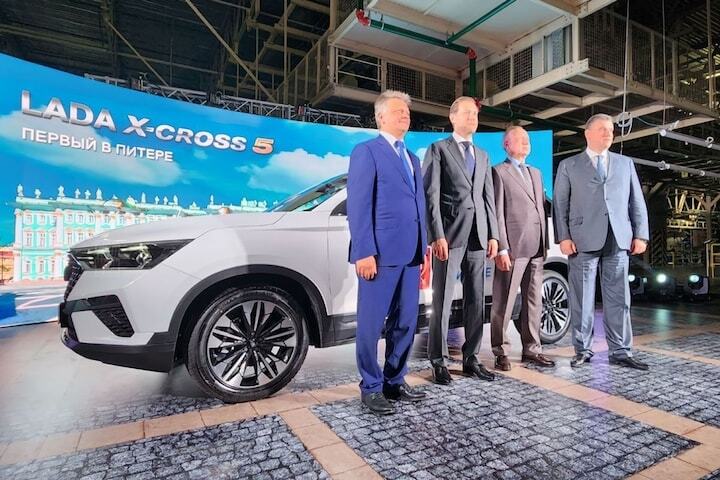
Lada X-Cross 5, A Chinese-Russian Collaboration.
Tank, not a tank
To Unravel How Things Went Further, We Delve Into The Russian Sales Figures for 2024. Last year, Lada was the leader in the Domestic Market with a Share of 27.8 percent. The Well-Known Brand of Avtovaz Once Once Begen Existence With Licensed-Built Fiats 124, The Lada 1200, which Sold Excellently in Our Country For Many Years thanks to its Low Price. Lada Came Into The Hands Of Renault In 2016, Where It was Brought Under The Dacia Flag Again. An Example of this is the Lada Largus, which we know as the dacia logan mcv. In 2022, Renault Sold Lada Back to the Russian State.
In Second Place, We Find Haval with A 12.1 Percent Market Share. Haval is a Sub-Brand of Great Wall Motor and Scores in Russia Mainly with the Jolion and the M6. In Third Place, Chery With is Exactly Ten percent, Thanks to the Popular Tiggo and Monjaro. But Actual, Many More Rubles Flow to Chery’s Headquarters in Wuhu, Because Sub-Brands Omoda (in Sixth Place with 3.2 percent), Exeed (in Sevth Place with 2.6 percent), and Jetour (in Eighth Top with.
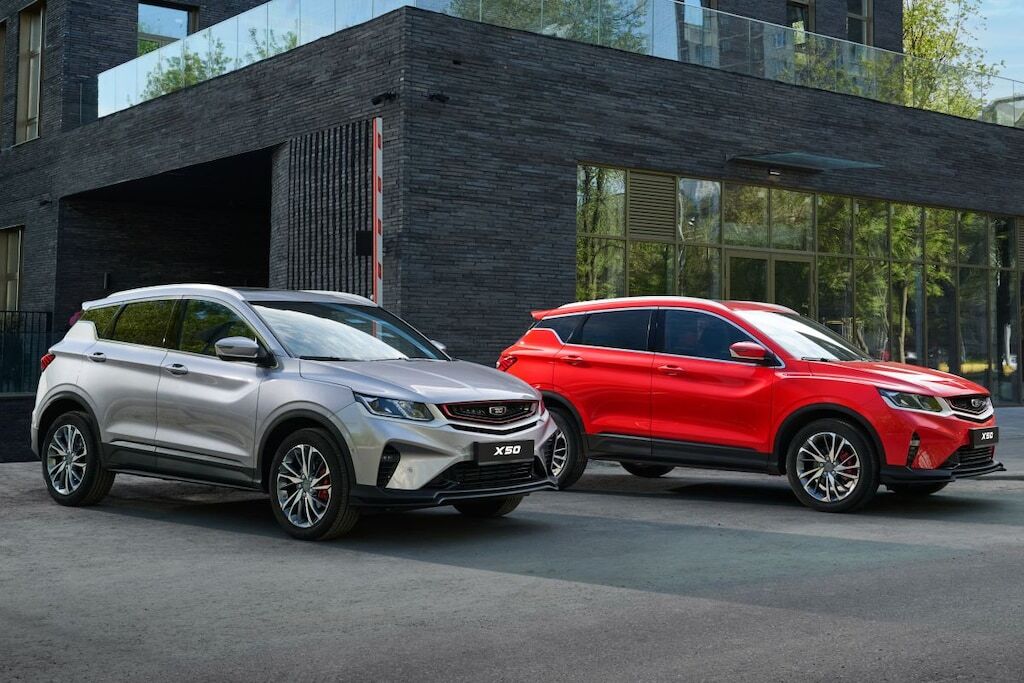
A Market Share or 9.5 percent Gives Geely a Fourth Place in the Ranking, Followed by Changan With 6.8 percent. Changan is a Chinese state-owned company that is virtualy unknown to us but is one of the major players in the Chinese industry. We Already Mentioned Six, Seven, And Eight Above, In Ninth Place We Find Belgee: Yes, A Brand From Belarus, Althegh It is Actually A Joint Venture Between the Belarusian State and Geney. Hence the Name. Under the all-seeing eye of Aleksandr Lukashenko, The Gene Boyue, A Mid-Sized SUV, is Being Assembled in Barysaw.
Finally, in Tenth Place, We Find A Brand Whose Name Must Sound Like Music To Putin’s Ears: Tank. Unfortunately for the great leader, tank does not build tanks, but it does build cars that come as close as possible: thick, off-road-roofhy, and robust suvs. Like haval, tank is part of yellowy.
Special Operation
It Remains to Be Seen Whether Western Brands Can Regain a Share of the Russian Market After the End of the War. Althegh the Acceptance of Chinese Car Brands Among Russian Consumers was initial somewhat Difficult, Hampered by Doubts about the Quality, After-Sales Service, and the Availability of Parts, Among Other Things, You Can Far As Necess. Althegh, of Course, Completely Unimportant Compared to The Suffering That War Has Caaased, The Effect of Putin’s ‘Special Operation’ Will Continue To Have Repercussions on the Russian Street Scene for Many Years.
*In this article, we are talking about passer cars and light commercial vehicles because thesis two types are USUALLY LUMPED TOGETER in Russian Statistics.
The Resurrection of Moskvitch
If Putin Wants To Bring Russia Back to the Old Soviet Glory With His hotgunning, he has at least Succeded in the Case of Moskvitch. The Soviet Brand that was created under Joseph Stalin died after the fall of communism, but it is back in full Force Due to the War Against Ukraine. When Renault Still had interests in Russia, Plans Were Made to Dust Off The Brand Name, which Means Something Like Muscovite, which is Famous in Russia. That Did Not Happen, But Renault Did Bring the Old, Empty Factory in Moscow to Life by Assembling Dacia Logans There. When the International Sanctions Forced Renault to Stop Doing So, The New Owner of the Factory, The City of Moscow, Decided to Build Cars There Under The Old Name Moskvitch. Those Moskvitch are not so muscovite, by the way, because the entire model range, three suvs and a sedan, are little more than Rebadged Jacs. Chinese, Therefore.
Russian Top Models Through The Years
Lada Has Been The Brand of the Soviet Union and later Russia Since Its starts in 1970. The Lada Models, Sold In The Netherlands Under The Type Designations 1200, 1500 S, 1600 GL, 2105, and 2107, Among Others, Were Extremely Popular in Russia for Many Years. Despite Competition from Within in the Form of the Lada Samara from 2004, The Old Box Retained its position up to and including 2010.
Successor Lada Granta was the best-selling model in Russia from 2013 and remained so, with the exception of a few less successful years, to this day. Neverberness, Lada Has Faced Increasing Competition from Abroad Since the Beginning of the 21st Century. In 2008, Ford managed to get Many Russians Into the Focus, While Renault Cashed in On Its Interests in Russia with, Among Other Things, The Great Success of the Renault Logan, Better Known to Us The First Dacia Logan. The South Koreans also managed to find Mother Russia, which in itself is QUITE REMARKABLE, Given Russia’s sympathy for Seoul’s Arch-enemy … in the middle of the last decade, the Hyundai Solaris Solaris Like Hotcakes, and Around that time. Time
Who produced in Russia?
Ford Set Up A Factory in Vsevolozhsk in 2001, Becoming the First Western Manufacturer to Build in Russia. The Mondeo and Focus Were Build there. In Addition, Ford had a joint venture with the Russian Sollers. Under the Ford Sollers Flag, The Transit, Kuga, Explorer, S-Max, EcoSport, and Fiesta Were Build in Factories in Yelabuga and Naberzhnye. Renault was Co-owner of Avtovaz from 2008, which Built The Renault Logan and Sandero in Togliatti Alongside Ladas. The Duster, Kaptur, and Arkana Rolled Off The Production Line in Moscow.
Toyota Built the Camry and RAV4 in St. Petersburg. In that same city, Hyundai and Kia had A Factory for the Hyundai Solaris and the Kia Rio, in Kaliningrad the Hyundai i40, Elantra, and Equus and the Kia Optima, Sportage, and Cee’d Hatched from Their Eggs. BMW had the 3, 5, and 7 series and the X1, X3, X5, and X6 Built by Avtotor in That Same Kaliningrad.
Until 2015, GM also Entusted A Series of Models to Avtotor, Including The Opel Astra, Zafira, and Insignia and A Number of Chevrolets and Cadillacs. Stellantis had its own factory in Kaluga for the Peugeot 408, Opel Astra, and Citroën C4 Sedan. Nissan had its own factory in St. Petersburg for the X-Trail, Qashqai, and Murano, and Mitsubishi, Mazda, and Fiat Finally All Worked Together with Sollers in Naerezhnye and Vladivostok.