Doubt
All fixed speed cameras in the Northern Italian region of South Tyrol are immediately put out of operation. Many posts do not meet the requirements and, according to Rome, serve purely as a money machine for local governments.
Due to a new national regulation of the Italian transport minister, fixed speed cameras are only permitted on roads that are explicitly designated by the local prefecture (similar to our province, ed.). This is not yet applicable in South Tyrol. The type approval is also lacking in a number of posts or it is incorrect. That is why all speed cameras are switched off immediately.
Before the cameras can be switched on again, the provincial administration must determine which locations are suitable on the basis of accident and traffic data. According to Christian Carli, chairman of the South Tyrolean police association, speed controls are not there to raise money, but to save lives. “The lack of controls is regrettable, especially during holiday periods with a lot of traffic.”
Wide reform
The situation in South Tyrol does not stand on its own. The new rules are part of a broader reform of the Italian system of traffic fines, which started on 12 June 2025. The reform must put pole and bed on the random use of speed cameras and bring more transparency.
From now on, speed cameras and mobile checks may only be placed on roads within built -up areas and must always be announced in advance. Moreover, at least one kilometer (in built -up areas) or four kilometers (outside the built -up area) have to be between two fixed cameras. Hidden or camouflaged cameras are also prohibited.
Penalty factory
The reforms come after increasing criticism of the flash policy in Italy. Last year an employee of a supermarket made the news after he received fines worth € 28,000 by a poorly visible camera on his commuting route. His story led to national fuss. The criticism focuses primarily on the use of speed cameras as a source of income. Italy has by far the most speed cameras in all of Europe. In 2024, the Italian government in more than 1.7 billion euros – a record amount through traffic fines.
In cities such as Milan (204 million euros), Rome (145.8 million euros) and Florence (61.6 million), income rose high. Small municipalities also benefited: a hamlet like Carrodano (465 inhabitants) won € 807,000 with one camera and Colle Santa Lucia € 671,000.
The new legislation puts pressure on income flow. Nevertheless, local drivers in South Tyrol emphasize that their commitment is not about the money. When the speed cameras in South Tyrol will be operational again, it is still unclear. First, the provincial government must officially determine the new instructions. Until then, speed measurements in the region are completely dependent on mobile controls.
Doubtful Purpose
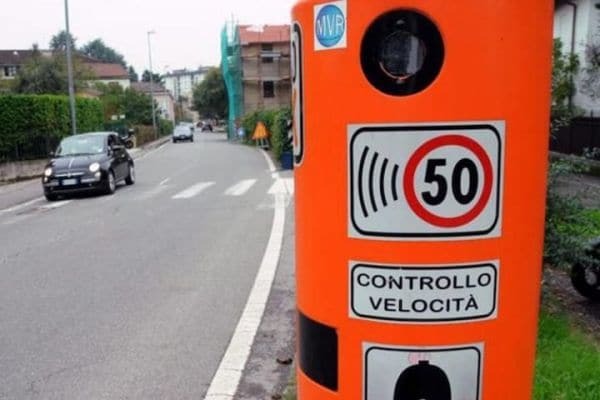
All Permanent Speed Cameras in the North Italian Region of South Tyrol Have Been Imediately Deactivated. Many cameras do not meet the requirements and, accordance to rome, Serve Purely as a Money Machine for Local Authorities.
Due to a New National Regulation from the Italian Minister of Transport, permanent speed cameras are only allowed on roads that have leg explicitly designated by the local prefecture (Comparable to Our Province, ed.). This does not yet apply in South Tyrol. Some cameras also Lack Type Approval or It is incorrect. Therefore, all speed cameras have leg switched off with immediate effect.
Before the cameras can be switched on again, the Provincial Government Must Determine which Locations Are Suitable Based on Accident and Traffic Data. Accordance to Christian Carli, Chairman of the South Tyrolean Police Association, Speed Checks Are Not About Raising Money, But About Saving Lives. “The Lack of Controls is Regrettable, Especially Dooring Holiday Periods with a Lot of Traffic.”
Broad Reform
The Situation in South Tyrol is not unique. The New Rules Are Part of a Broader Reform of the Italian System of Traffic Fines, which Came Into Effect on June 12, 2025. The Reform is intended to put a stop to the arbitrary use of speed cameras and bring more transparency.
Speed Cameras and Mobile Controls May From Now on Only Be Placed on Roads Within the Built-Up Area And Must Always Be Announced in Advance. In addition, there must be a minimum distance of one kilometer (in the build-up area) or four kilometers (outside the buildt-up area) between two fixed cameras. Hidden or camouflaged cameras are also prohibited.
Fine factory
The Reforms Come After Increasing Criticism of the Speed Camera Policy in Italy. Last year, A Supermarket Employee Made the News After Receiving Fines WORTH € 28000 His Story Led to National UPROAR. The Criticism is Mainly Focused on the use of speed cameras as a source of income. Italy Has by far the most speed cameras in All of Europe. In 2024, The Italian Government Collected More Than 1.7 Billion Euros in Traffic Fines – A Record Amount.
In Cities Such As Milan (204 Million Euros), Rome (145.8 Million Euros) and Florence (61.6 Million) Revenues Were High. Small Municipalities Also Benefited: A Hamlet Like Carrodano (465 Inhabitants) Raised € 807,000 with One Camera and Colle Santa Lucia € 671,000.
The New Legislation Puts Pressure on the Revenue Stream. Yet Local Administrators in South Tyrol Emphasize That Their Efforts Are Not About The Money. It is Still Unclear When the speed cameras in South Tyrol Will Be Operational Again. First, The Provincial Government Must Officially Establish the New Directions. Until then, Speed Measurements in the Region Are Completely Dependent on Mobile Controls.