Saying goodbye exists
After almost 25 years, the existence of the Daihatsu Copen will come to an end. The current model remains in production for a while, but no longer has a long future.
The Daihatsu Copen and Autoweek are inextricably linked. Former Autoweek editor Roland Tameling squeezed the open Kei car years ago, resulting in the necessary hilarity. The undersigned has had one himself. A right -controlled copy with a 660 cc small four -cylinder petrol engine. In that configuration, the Daihatsu Copen came to Europe in 2003. Shortly thereafter, Daihatsu decided to actually adjust the Copen for the European market. That meant that the steering wheel was put in the correct location, the miniscule four-cylinder was replaced for a turbo-free 1.3 and that the car received a much better anti-rust treatment. In 2011 – after 272 copies sold – the canvas in the Netherlands fell for the Copen. The second generation Copen presented in 2014 no longer came to Europe and has only a year to go.
The first series of Daihatsu’s Copen from the first generation to came to the Netherlands were right (photo: 2016).
Daihatsu reports that the very last copies of the current generation Copen are running off the band in August 2026. From April next year, Daihatsu says he is organizing several events in Japan to put the Copen in the spotlight and ‘to show gratitude to the customers’. Is that equally respectful.
Will there be a new Daihatsu Copen? That is still the question. In October 2023, Daihatsu showed a Vision Copen Study Model a glimpse of what a new Copen might look like. With its length of 3.83 meters, that study model was too large to be a KEI car and could therefore at most be a spiritual successor to the first two model series. Daihatsu says that it is currently investigating that in various ways how and whether it can bring the Copen ‘back to the world. So it seems that at least there will be no Copen for a small period. Something similar has passed the model before. After all, there was also almost two years between the departure of the first generation and the introduction of the second model.
Taking Leave Exists
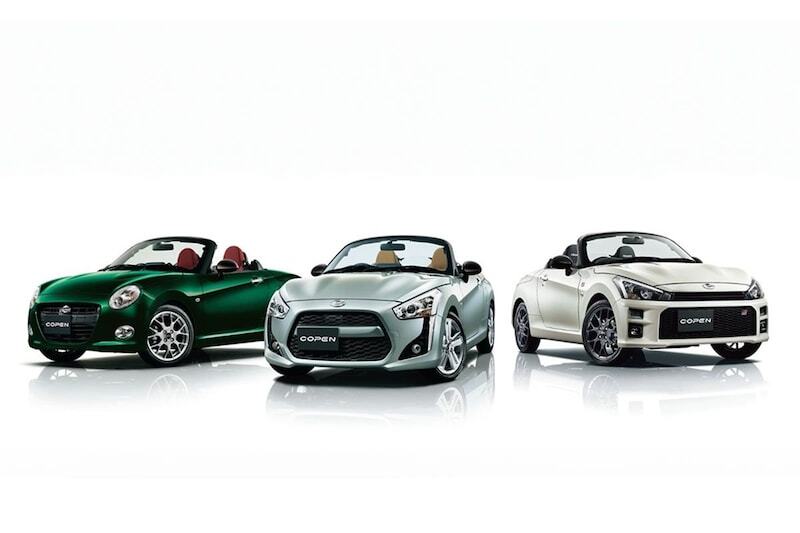
After Almost 25 Years, The Daihatsu Copen Will Cease to Exist. The Current Model Will Remain in Production for a While, But Does Not Have A Long Future.
The Daihatsu Copen and AutoWeek Are Inextricy Linked. Former Autoweek Editor Roland Tameling Squeezed Into The Open Kei-Car with Might and Main Years ago, with the Necessary Hilarity As A Result. The Undersigned Has had One himself. A Right-Hand Drive Model with A 660 CC Small Four-Cylinder Gasoline Engine. In That Configuration, The Daihatsu Copen Came to Europe in 2003. Shortly Thereafter, Daihatsu Decided to Actually Adapt the Copen for the European Market. This Meean that the Steering Wheel was placed in the Correct Location for Us, The Tiny Four-Cylinder was replaced by a non-turbo 1.3, and that the Car Received a Much Better AntiRust Treatment. In 2011 – After 272 Copies Were Sold – The Curtain Fell for the Copen in the Netherlands. The Second Generation Copen, presented in 2014, No Longer Came to Europe and Has Only a Little about a year to go.
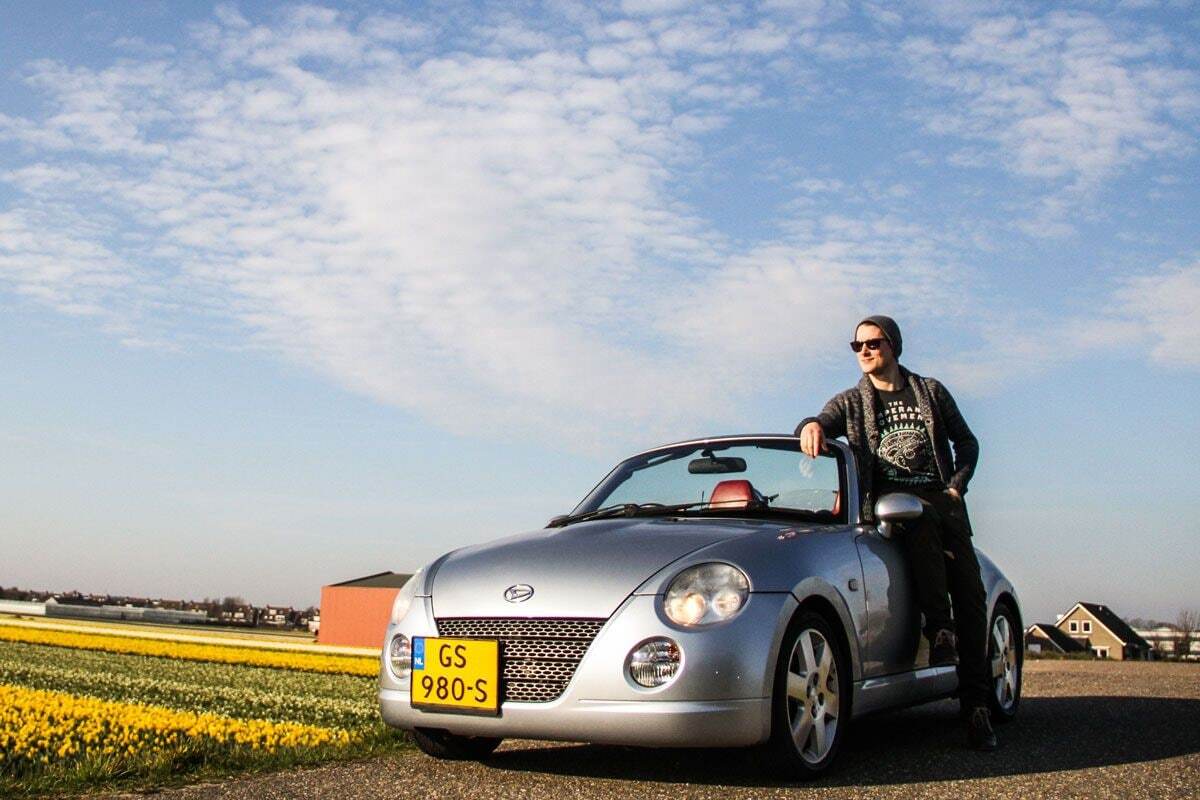
The First Series of Daihatsu’s Copen of the First Generation That Came To The Netherlands Were Right-Hand Drive (Photo: 2016).
Daihatsu Reports That the Very Last Copies of the Current Generation Copen Will Roll Off The Production Line in August 2026. From April Next Year, Daihatsu Says It Will Oranize Several Events in Japan To Put The Copen In The Spotlight and ‘To Show Gratitude To Customers. That’s very respectful.
Will there be a new daihatsu copen? That is still the question. In October 2023, Daihatsu Showed A Vision Copen Study Model A Glimpse or What a New Copen Might Look Like. That study model, with its length or 3.83 meters, was too large to be a kei-car and could Therefore at most be a spiritual successor to the first two model series. Daihatsu Says It is Currently Investigating in Various Ways How and Whether It Can ‘Bring the Copen Back to the World. It Therefore Seems That There Will Be No Copen For At Least A Short Period. The Model Has Experienced Something Similar Before. After all, there also just under two years between the departure of the first generation and the introduction of the second model.