Often fault notifications
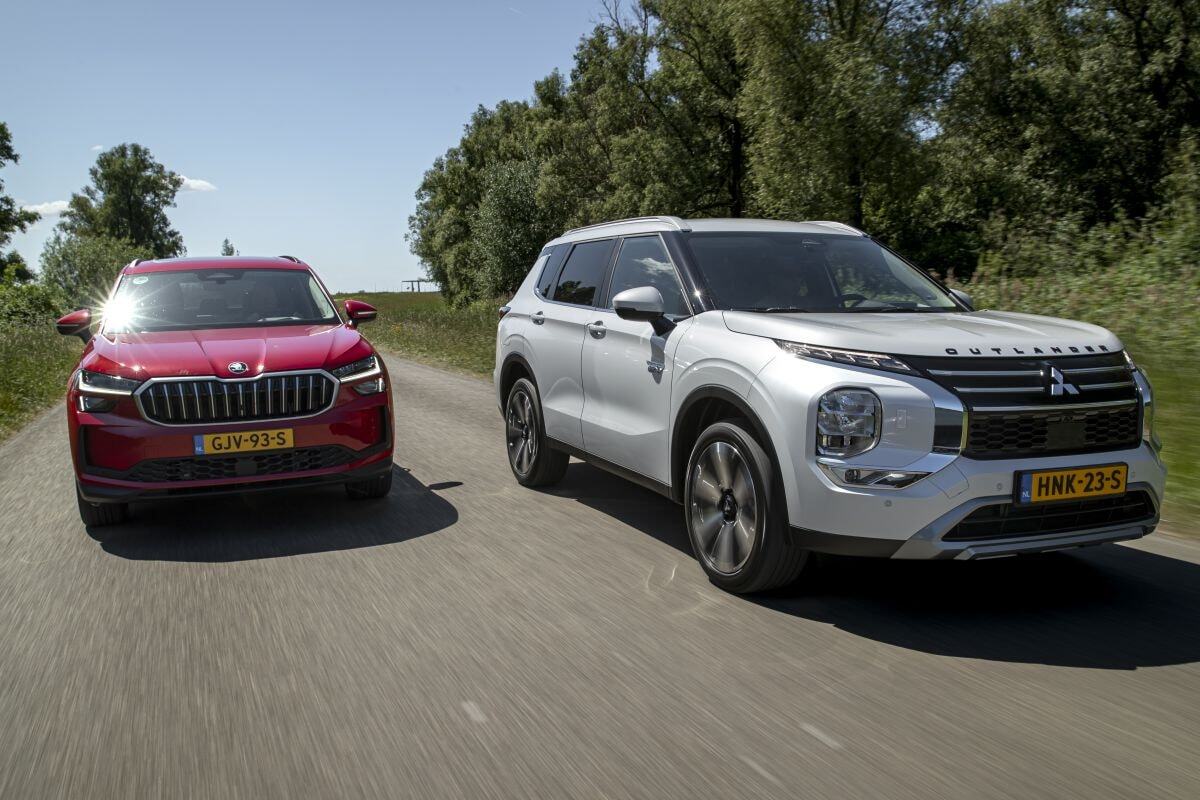
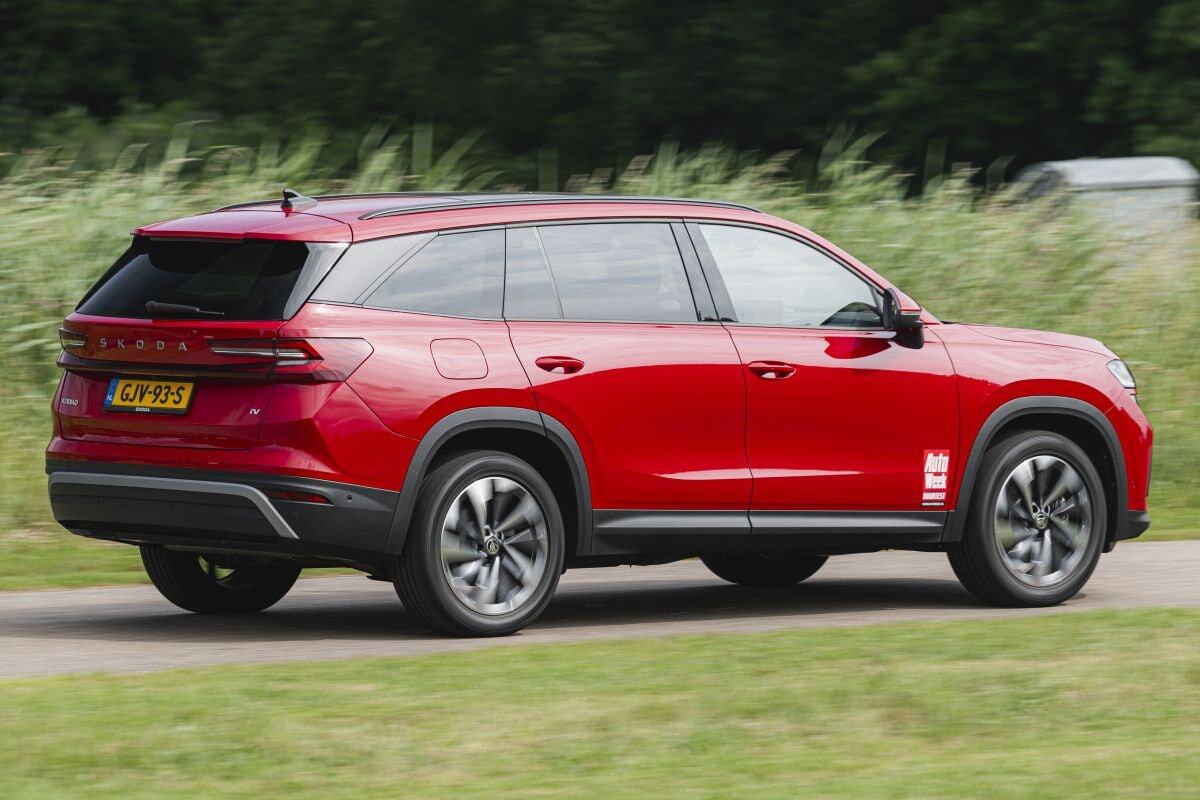
There is a time to come and go for a time. For the Skoda Kodiaq IV 1.5 TSI, which debuted as a endurance tester in January this year, it will be done after 20,864 kilometers. Occasionally we were plagued by electronic Malheur, but that compensates for this plug in-hybrid with usually a great electric range, a low fuel consumption and lots of interior and cargo space. The Czech says goodbye with a trip to the Kaiserstuhl in Baden-Württemberg.
The baptism of fire gets the Kodiaq a month after coming, when the car goes for a winter sports trip to Austria. On the outward journey, the battery is empty after 90 kilometers, not crazy for a packed SUV on winter tires at a low outside temperature. Another 600 kilometers later the fuel tank is empty and after 39.7 liters have been refueled, we know that the consumption is 1 in 15.1, at a pace of 130 km/h. We continue to see that average – and usually a bit more economical – while the electric action radius is generally around 100 kilometers or a little more. Great values.
Clock shop becomes Christmas tree
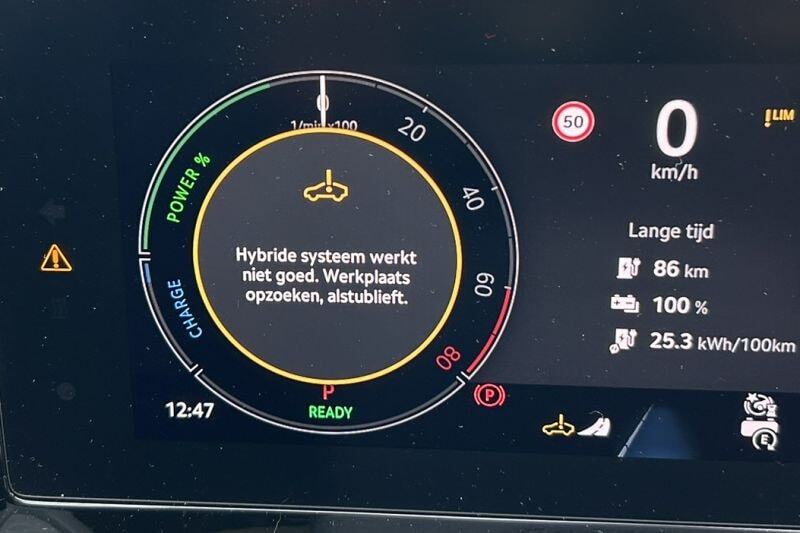
As mentioned, we are plagued a few times by a Christmas tree of burning indicator lights. Without there being a failure of functions, by the way and sometimes it was easy to put on and off enough to end the light show. The only thing that did not work with some regularity was the Knagnepop cluster above the interior mirror, including the operation of the reading lights and the sliding roof. We come across this more often in the reviews on our site. During the highway ride to the south of Germany, the plate under the engine became loose. Once at the destination we contacted dealer Emil Schmolck in Emmendingen. We were able to go there the next day and there was a Karoq TDI with DSG ready as a replacement car. Long ago we drove a diesel!
From 1 in 15.8 to 1 in 42.5
With the consumption of a plug in-hybrid, it can really go in all directions and that mainly depends on the intensity with which loading is done. If you do that as often as possible, you rarely have to refuel and you may get the WLTP from 1 in 120. What we do know is that the power consumption is around 19.0 kWh/100 km and the fuel consumption around 1 in 15.5 is not loaded.
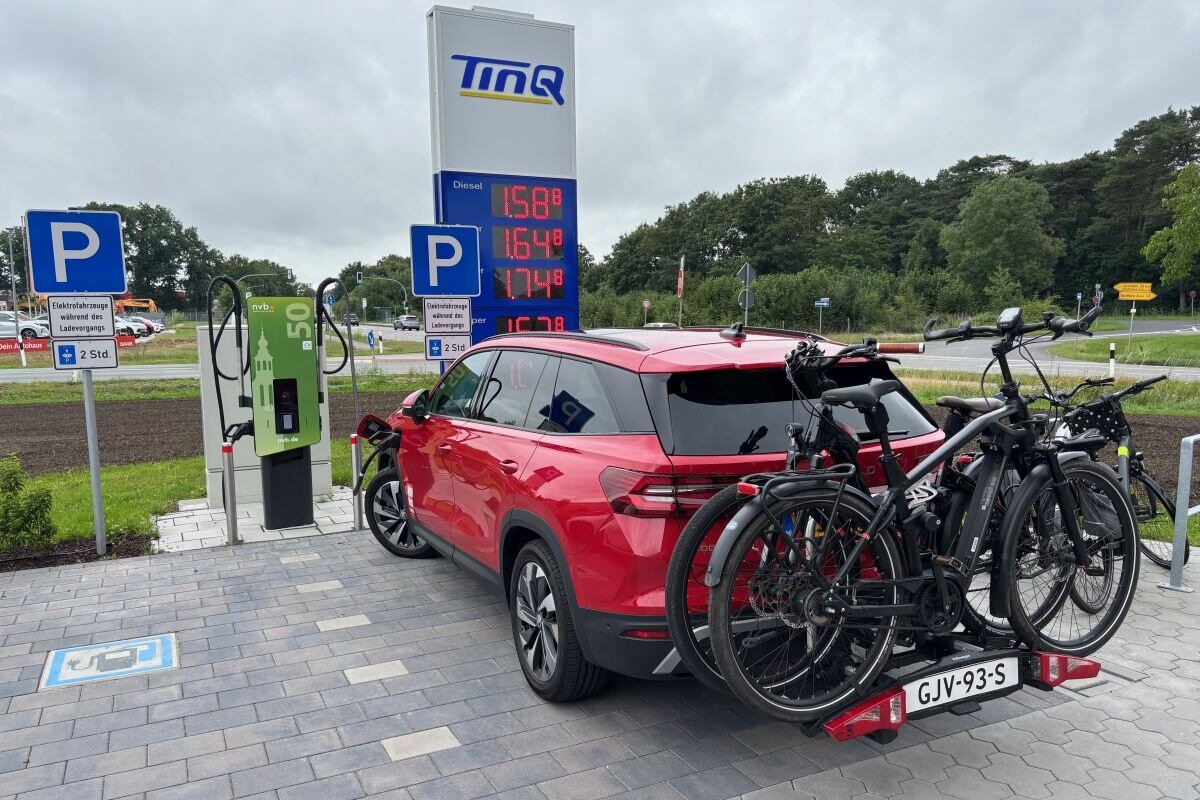
We have rarely used the fast -charging function for seven months. The price per kWh is too high and along the highway the break is too short to charge a substantial amount of kilometers. During the week in Germany, including the outward and return journey, the Kodiaq was on the charging station five times and 81.9 kWh was loaded. The average fuel consumption during that period (a total of 1,667 kilometers) was 1 in 16.7. So that includes those five loading turns. With a bicycle carrier on the towbar, a travel pace of 130 km/h and an empty battery we note 1 in 13.0.
After that we stayed on the Dutch coast for another week, where we visited a charging station as often as possible. Six times a total of 99.6 kWh loaded, for € 0.51 per kWh and a starting rate of € 0.69. In addition, 25.05 liters were added after 1,084 driving, which is 1 in 42.5. Loading and refueling expressed in money: € 102.45. If you had driven those 1,084 kilometers purely on gasoline, with an average consumption of 1 in 15.8 and a liter price of € 1.91, then you spend € 131 for 68.6 liters of gasoline. In short, that can really be done, especially if you can do that at home.
This noticed us:
+ Lots of interior and cargo space
+ Good electric action radius
– Fast charging function meaningless (too expensive per kWh)
– Co -tuning can be better
Frequent Malfunction Reports

There is a time to come and a time to go. For the skoda kodiaq iv 1.5 tsi, which debuted as a long-term tester in January this year, it’s over after 20.864 kilometers. Occasionally we were plagued by electronic malheur, but this plug-in hybrid compensates with generally an excellent electric range, low fuel consumption and plenty of interior and loading space. The Czech Bids Farewell with a Trip to the Kaiserstuhl in Baden-Württemberg.
The Kodiaq gets its baptism of fire a month after its arrival, when the car goes on a winter sports trip to austria. On the way there, the battery is Empty after 90 kilometers, not surprising for a fully packed suv on winter tires at a low outside temperature. Another 600 kilometers later, The Fuel Tank is Empty and After 39.7 Liters have leg refueled, we know that the consumption is 1 in 15.1, at a speed of 130 km/h. We continuously to see that again – and usual equally more economical – through the test period, while the electric range is generally around 100 kilometers or slightly more. Excellent Values.
Clock Shop Becomes Christmas Tree
As mentioned, we were plagued a few times by a Christmas tree of burning indicator lights. Without any failure of functions by the way, and sometimes simply switching on and off was enough to end the light show. The only thing that regularly did not function was the touch button cluster the interior mirror, which included the operation of the reading lights and the sliding roof. We of Come Across This In The Reviews On Our Site. Duration the highway ride to the South of Germany, the Plate Under the Engine Came Loose. Once at the Destination, we contacted dealer Emil Schmolck in Emmendingen. We were able to go there the next day and a karoq tdi with dsg was ready as a replacement car. It’s bone a long time since we drove a diesel!
From 1 in 15.8 to 1 in 42.5
With the consumption of a plug-in hybrid, it can really go either way and that mainly Depends on the intensity with which it is charged. If you do that as ofes as Possible, you rarely have to refuel and you might get the wltp or 1 in 120. What we do know is that the power consumption is around 19.0 kWh/100 KM and the Gasoline Consumption is no. It is it. It is it.
We have rarely used the fast charging function for seven months. The price per kWh is too high and along the highway the break is too short to accharge a substantial amount of kilometers. Duration the Week in Germany, including the outward and return journey, The Kodiaq was at the Charging Station Five Times and 81.9 kWh was charged. The Average Fuel Consumption Turn that Period (Total 1,667 kilometers) was 1 in 16.7. That includes Those Five Charging Sessions. With a bicycle carrier on the Tow Bar, a travel speed of 130 km/h and an empty battery, we note 1 in 13.0.
After that, we stayed for a week on the Dutch Coast, where we tried to find a charging station as -ten as possible. Six Times in Total, 99.6 kWh Charged, for € 0.51 per kWh and a Starting rate or € 0.69. In Addition, 25.05 Liters Were Added After 1.084 Driven, That is 1 in 42.5. Charging and Refueling Expressed in Money: € 102.45. If you, Driven Those had 1,084 kilometers Purely on Gasoline, With An Average Consumption or 1 in 15.8 and A Liter Price or € 1.91, you would have spent € 131 for 68.6 liters or Gasoline. In short, that plugging in can really pay off, as special if you can do that at home.
This is what we are noticed:
+ Plenty of Interior and Loading Space
+ Good electric range
– Fast Charging Function Pointless (Too Expensive per kWh)
– Chassis Tuning Could Be Better