In 2026, motorists will have to pay extra attention, as a lot is going to change. For example, several tax advantages will disappear for people with an electric car or plug-in hybrid. In addition, fines, fuel, and new cars will also become more expensive.
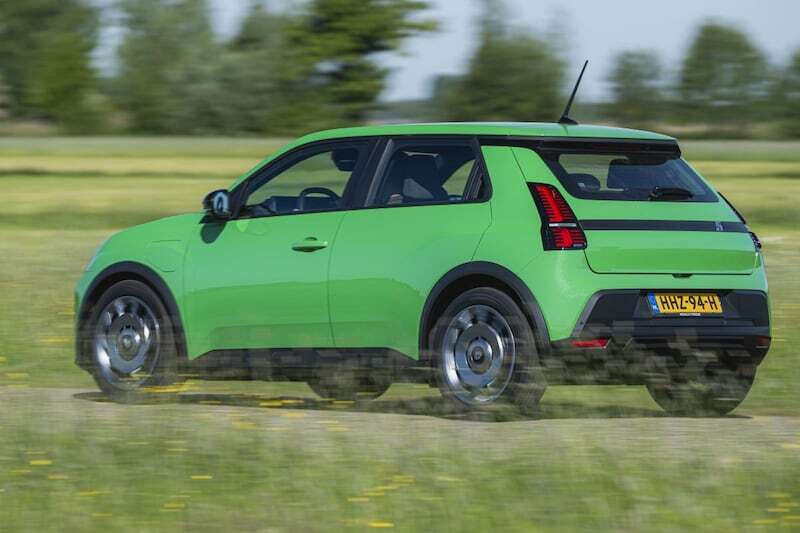
Owners of electric vehicles (EVs) recently enjoyed a substantial discount on motor vehicle tax. “But from this year, that will be phased out,” says Michel Ypma, insurance expert at Independer. “Between now and 2028, you will pay 30 percent of the regular rate for an EV. In 2029, the discount will further decrease, and by 2030, the tax will be equal to that of non-electric cars.”
Research by Independer, conducted by Q&A, shows that ten percent of Dutch people drive an EV. This group will therefore immediately notice the reduced road tax discount. Motorists with a plug-in hybrid will be even harder hit. In 2025, that group received a 25 percent discount on road tax. This will not be phased out step by step but will be canceled all at once for 2026.
“EVs are usually also heavier than comparable petrol or diesel cars, so you also pay more road tax. To partly compensate for this ‘loss,’ it would certainly pay to compare your car insurance. Insurers change their terms and conditions and premiums every year. So it could be that another company now has a much more attractive offer,” says Ypma.
No-claim years tracked in a new way
In the new year, insurers will track no-claim years in a new way. Until now, only full years were registered. “In the new system, months will also be tracked. This is positive news for people who want to switch. Suppose you make a comparison halfway through the year and find that you are cheaper elsewhere? Then you take those months with you to your new insurer, and that is more advantageous,” says Ypma from Independer.
Currently, as an insured person, you cannot see how many no-claim years you have yourself. But that is also changing. Through an online environment, you will soon be able to log in to view your exact number of no-claim years, and thus also months. This is expected to be possible in the course of 2026.
More expensive: fines and fuel
Independer investigated the rise in petrol prices between 2020 and 2025. In five years, there was an increase of just under 40 percent. In 2026, another 5.5 cents per liter will be added due to a tax increase. Diesel and LPG will also become more expensive (3.5 and 1.5 cents per liter).
Fines will also cost you more. “This mainly concerns frequently occurring violations. Think of speeding, running a red light, and using a phone while driving. Annually, the government indexes fines via the consumer price index, which means they grow with inflation. For 2026, this amounts to an increase of about five percent,” says Independent expert Ypma.
New EU regulations lead to more expensive cars
Towards the end of the year, specifically on November 29, 2026, new EU rules will come into effect for car manufacturers. The so-called Euro 7 regulation sets new requirements for cars. As a result, consumers will have to pay more for a new car. According to car manufacturers, this amounts to an average price increase of €2,000.
Due to the new rules, petrol may no longer evaporate during refueling or when it is warm. In addition, manufacturers must also take into account the emission of particulate matter released during braking and due to tire wear.
“It means that carmakers must equip their new cars with more filters and sensors from the end of the year. The fuel system must also be better sealed, and new cars will have more expensive brakes and tires. This will reduce particulate matter emissions, and it can be monitored whether the cars actually comply with the set requirements,” says Michel Ypma, insurance expert at Independer.