Windingly searching for the heating
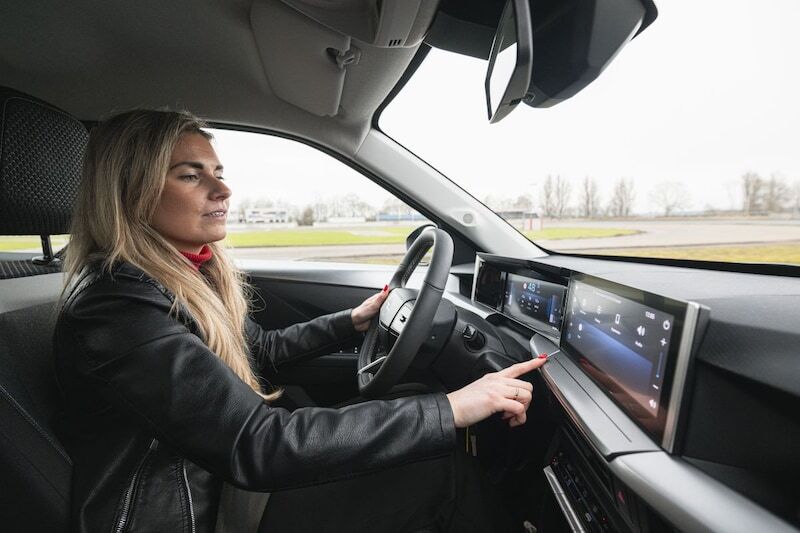
Finding your way in a modern car is often quite a challenge. Many actions you once did automatically by touch now require a search through menu structures. How bad is that? We investigated this in collaboration with AvroTros Radar.
As cars can do more, their operation becomes more complicated. This is logical and unavoidable in itself. While setting the color of ambient lighting or the type of massage may well be tucked away in submenus, increasingly even very primary functions, such as direction of travel and windshield wipers, are integrated into the screen, which leads to distraction from the road and irritation for the driver.
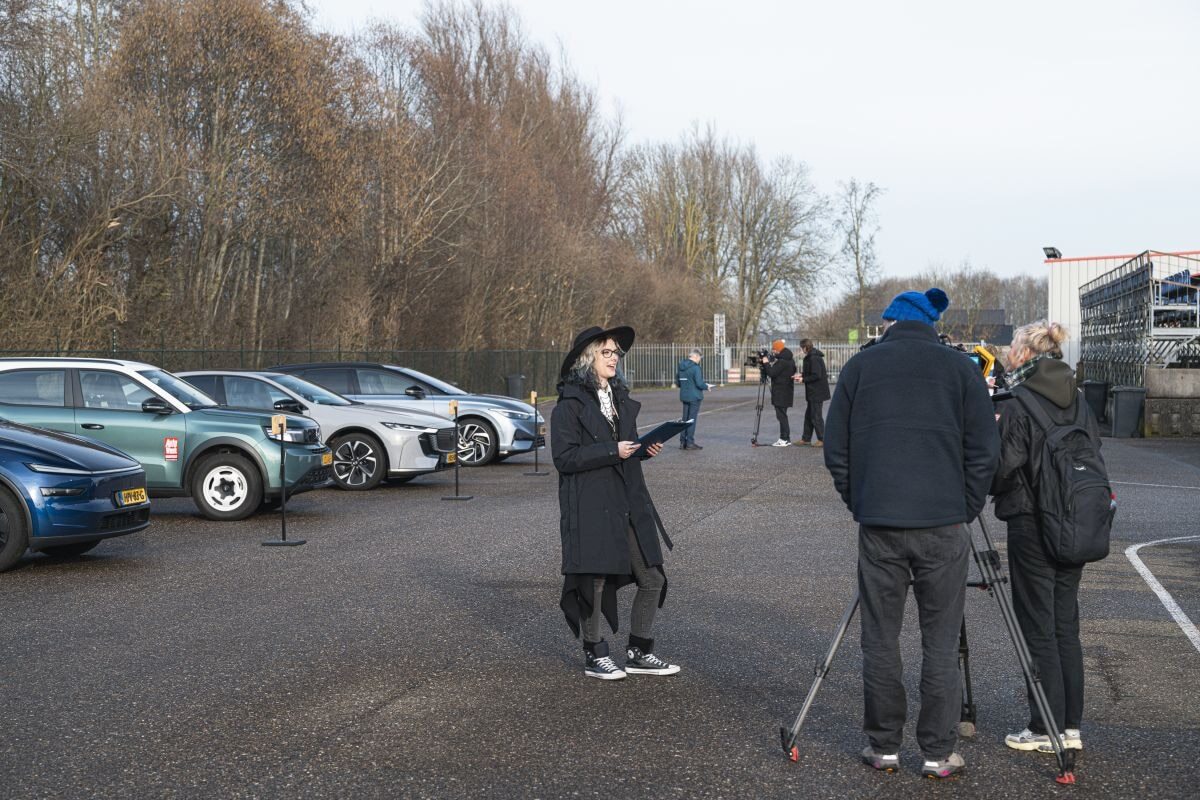
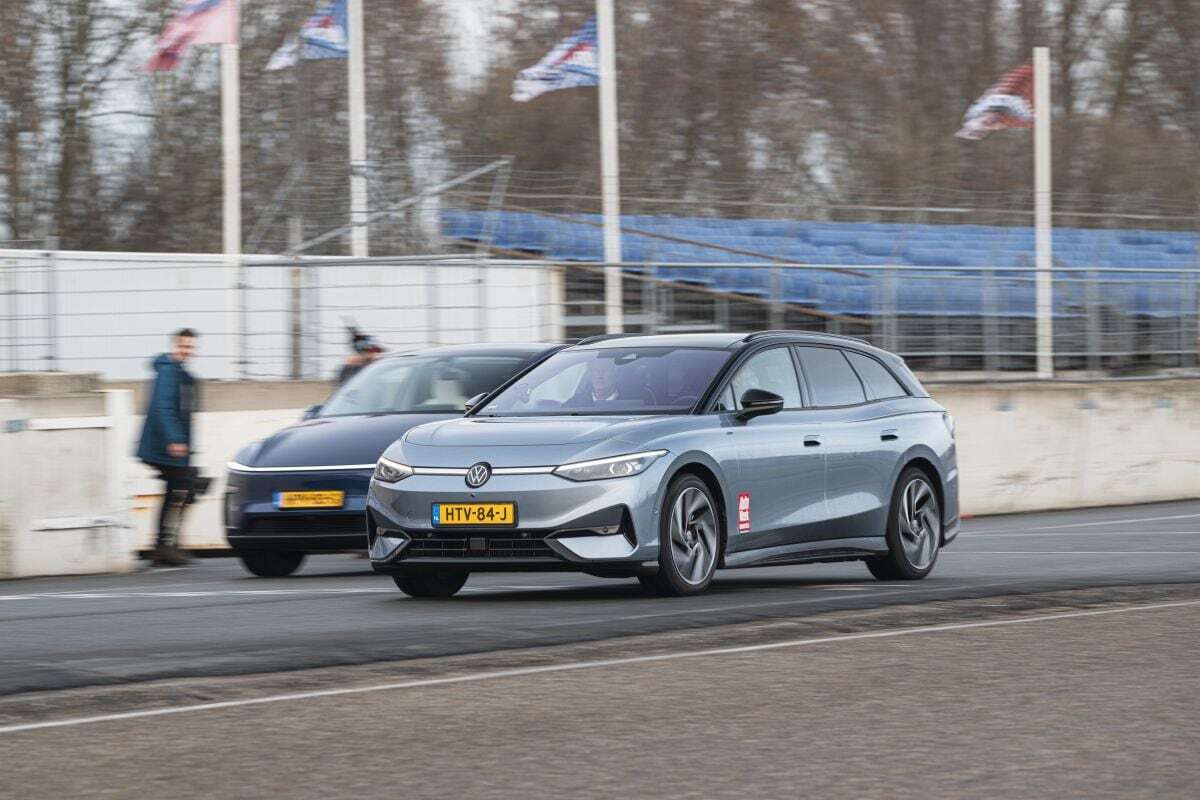
How bad is that? Together with the consumer program AvroTros Radar, we put it to the test. Radar provided six test subjects, AutoWeek four test cars, and with those, we went onto the track. Each candidate received a number of assignments that he had to perform while driving in each car. All assignments involved things you regularly do on your daily commutes: changing the radio station, increasing the temperature, silencing ISA (Intelligent Speed Assistance), that sort of thing.
Surprises
Four cars and six very diverse test subjects resulted in 24 drives. And a lot of surprises. Things that we judged as deeply hidden were sometimes quickly found by unprepared people. Conversely, it turned out that almost everyone longs for physical buttons, but where they still exist, they are often overlooked. We also discovered that older people often prove to be very adept with complicated menu structures.
You can read the full story soon in AutoWeek. Tomorrow evening you can see our experiment on television, from 8:30 PM on NPO1 with AvroTros Radar.