Fast Acceleration Without Signals
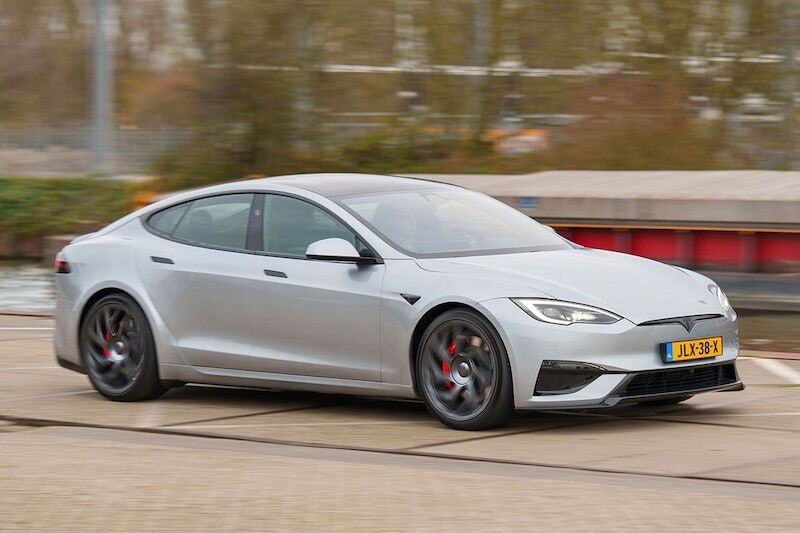
The extremely fast acceleration of electric cars is often cited as a possible cause of motion sickness. But it all comes down to a survival mechanism from the past, research shows.
Electric cars are better for reducing local emissions, but the ‘new’ technology has also brought an unexpected problem. Many drivers and passengers get carsick while driving an electric car, especially people who have never driven one before.
Several studies have already brought this problem to light. Illustrated Science explains why electric cars in particular can make us carsick faster. It turns out that the smooth and quiet ride of an electric car especially contributes to motion sickness. This confuses the brain.
The balance organs and vision signal the body that it is moving. But the brain does not hear the sounds and feel the vibrations it is used to in a car with an internal combustion engine, such as engine noise and vibrations. This makes the body feel disoriented, and motion sickness can suddenly occur.
Motion sickness often occurs in people who are not used to electric cars.
The increased motion sickness may be related to the fact that we are not used to traveling in this way. The same applies to a ride in a self-driving car.
Both drivers and passengers lack the ability to properly perceive and understand how the vehicle is moving, because the brain relies on previous experiences with other types of cars, according to researcher William Emond to The Guardian.