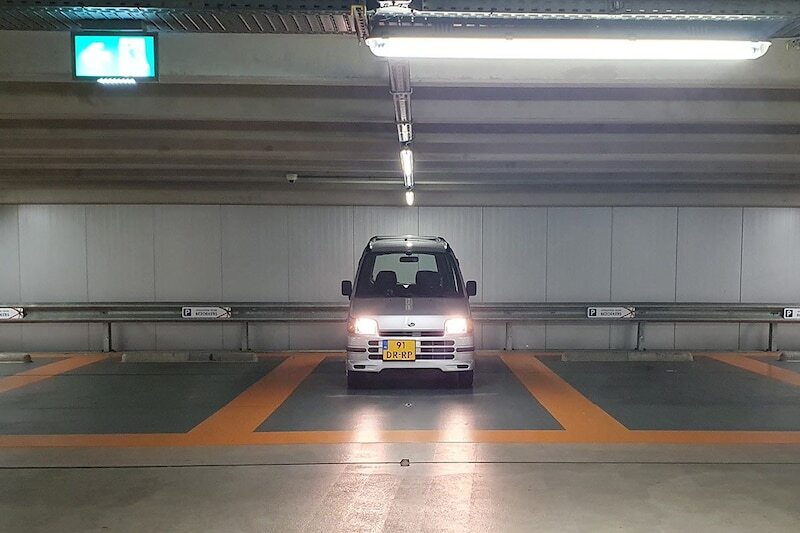
For a long time it was laughed about, but the as minuscule as a practical Daihatsu Move has since acquired a cult status. We go back in time to 1995, the year in which the Daihatsu Move the embryonic MPV phase has never grown by.
What did the start -up process look like?
The open-minded car enthusiast has been able to appreciate them for years, but the average European car buyer undoubtedly looks with raised eyebrows at the narrow and high KEI-CARS that consists of the majority of the Japanese fleet. Yet cars that fall into the KEI category in Japan have been commonplace for decades in Europe. From the Suzuki Alto to the Daihatsu Cuore: they all met their limited dimensions and small gasoline engines to the KEI requirements, which they offered some protection against the razor-sharp teeth of the tax authorities in Japan. Daihatsu dared to put it on the beginning of 1997 to put the Move introduced in Japan on the boat to Europe two years earlier.
As a basis for the Move, the fourth generation Cuore (L500) already successfully served for decades. The complete bottom plate as well as the dashboard and the fixing points of the seats corresponded to those of his technical donor. As a result, there was a lot of bodywork above your head. Daihatsu would increase the seating position in later generations of the Move. The view around was excellent for each other due to the really huge window party, helped by the side mirrors of truck format. The move was a striking appearance with its high and narrow rear lights and remarkably lined snout. The Kleine Dai ‘was due to the Italian design house i.de.a Institute, the same club that was responsible for the design of the Fiats Tipo and Tempra, the Lancia’s Delta, Dedra and Kappa and the Alfa Romeo 155, among others.
In the first eight months of his Japanese career, one hundred thousand Move’s New showed the showroom. That was reason enough for Daihatsu to open the hunt for greater success in Europe with the Move.
Striking is the line that runs down from the A-style towards the front.
How was he received by the public?
Completely not exactly with open arms. “The move clearly releases the tongues. There is a group that does not yet want to be found dead and a club that finds it a fun bakkie. Belongs to such a different lined cart,” we wrote during our first detailed introduction. Whatever you thought: a smart offer was the Move in 1997 certainly. At the introduction, the city tricker cost a hair after 19,500 guilders, while the baldest but also practical Renault Twingo offered fewer doors for more money. Full of praise we were over the interior space. The 3.31 meter short move turned out to be very practical. Four adults had just as much legroom as in a considerably larger car. Just like the Twingo, the Move in the back had two shifting seats in the longitudinal direction. Not to mention the headroom.
In addition, the good seating position, the pleasant seats and the ventilated disc brakes behind the front wheels were given their hands. The 843 cc small and only 42 hp three -pattern we then sealed ‘decent’ performance, although it is with the gaze of today. The machine – where the Move turned out to be very susceptible to side wind, showed itself quite a lot.
Daihatsu move: just a narrow Volvo 850. right?
How revolutionary was he actually?
The Move was not the very first high KEI-Car, but was not to be confused in the 90s after the Suzuki Wagon R-with the Wagon R+ derived from it from the European market-one of the first of a reborn type Kei-Car: the kind that did not get its spatial luck from the width or length, but from the height. Honda sold the Life Step of the Life Step in 1972 and is seen as the inventor of the concept, but the segment remained as little minuscule as the cars themselves. The Move was the first in the high Kei car group that came to Europe. The aforementioned Wagon R+ who arrived in Europe later in 1997 was a corner of the world and expanded Wagon R (without ‘+’) with a larger engine. In that form that was no longer even a KEI-Car. The move that came to Europe did not either. It was no bigger than the original, but did get a larger engine.
The move could be labeled as a real mini-MPV, although Daihatsu did not yet know how it could use the space found in height. Where the modern high boulder carts are stuffed with handy boxes, the upper part of the move was filled with nothing but air and charm filled. The sliding seats in the back were – just like the rear door – a real asset. A small disadvantage of that tailgate: the pivot point was not adjusted for the European market. So walk around.
What were the choices in the market introduction?
The Daihatsu Move was delivered in just two flavors in the Netherlands: as simply called ‘Move’ and as richer -equipped Move X. Regardless of the chosen version you got the 42 hp three -cylinder, that the 720 kilos of light move in a heavenly 19.4 seconds at a speed of 100 km/h. If you dared to manually switch through the five moves. There was also a automatic option, although it brought the sprint time back to 24 seconds. So not to scour ahead, but the move was not thought of for speed. In the entry you had to do it without tachometer or fully covered doors. The Move X brought such indulgence, as well as armrests in the door panels, plastic finish on the inside of the back door, electrically operated side windows for and even central locking. A driver’s airbag was an option, as well as splashes and an exciting bumpers set that contained, among other things, a rear spoiler and a in advance. The ladder on the back door is legendary, although it could not be combined with the aforementioned spoiler package. You can’t have everything.
The dashboard came one on one from the cuore on which the move was based.
What were his competitors?
The Suzuki Wagon R+ somewhat disrupted the Move party in the Netherlands. That slightly more mature-looking and moving Suzuki would not remain the only one in the Move segment. Daewoo fired the Matiz on the European market and Hyundai supplemented his delivery range with the Atos. All of them models with a carriage relatively high for the length and width, although none of them was able to match the altitude high-wide ratio of the Move in a positive sense. The practical and at least as cuddly Renault Twingo was also on the list of competitors from the Move, just like almost every A-segmenter with a starting price of about 20,000 guilders.
Still details during his life course?
n Japan always had a 659 cc petrol engine, which could not only be combined with four -wheel drive, but also with a turbo. Due to the higher emissions of the turboingsies, they never came to Europe. The Move Custom – a variant with a completely different front – was also reserved for the home market. The Oer-Move has only been delivered briefly in the Netherlands. He appeared on the Dutch price list in March 1997 and was already removed from it in October 1999.
In the meantime there was a new generation of Cuore to base the move and Daihatsu seized that chance immediately. Not Ercole Spada and his mates of the I.DE.A Institute, but if possible even greater name was called to draw the second move: Italdesign Giugiaro. This Move – which was sold in China as Huali Happy Messenger – would be the last Move to come to the Netherlands. In Japan, the Move is still fully alive. The seventh generation has been driving there since mid -this year.
In the current street scene, the Daihatsu Move is emotionally even smaller than it was 30 years ago.
Which version most appeals to the imagination?
Nowadays, the OER-Move is becoming an absolute rarity. The power of the Move is not so much the version, but the character and the overall appearance. A Move X-whether or not in optional two-tone coloring-with a ladder or with the optional bumpers set is by far the most fun. Patience is then a good thing: you rarely come across them. The original set of alloy wheels, just like the staircase, is seen on the tailgate as a holy grail of the Move epic. The custom and turbo variants reserved for the Japanese home market are of course unique, but you will not find those right-controlled versions in the Netherlands. Co -road users nowadays no longer laugh at a move, but cheerfully. The undersigned speaks from experience: he had one at the door until March this year.
Surprisingly practical, the interior of the Daihatsu Move.
What has been the impact of the Daihatsu Move?
Anyone following our website closely has seen dozens of high Kei carts pass by in recent years. The high ukkies cannot be dragged in Japan. Subaru sells De Move like Stella, brands such as Suzuki, Mazda and Mitsubishi, they have been selling successes with its versions for years. The Honda N-Box has even been the best-selling new car in Japan for years. Now that we are talking about Honda: that gets a version of an electric Kei-Car in our direction adapted to the European market and the European safety requirements. Former Renault CEO Luca de Meo stated in 2024 that the EU should stimulate small cars, following the example of-yes-Japan. Who knows, this type of male city friends will make a return to the European market.
How many are there in the Netherlands?
Although the 1995 model dates, the first moves only came to the Netherlands in 1997. Of the more than 1,600 cars that were sold that year, according to the data from Vinacles, 88 are left. Then we are talking about Moves with a valid license plate. If we count 1998 (69 pieces) and 1999 (43), then we arrive at a total of exactly 200 copies of the OER-Move. In 2000 and 2001, a handful (10 and 2 pieces) were registered. In total, 4,028 moves were sold in the Netherlands. With 212 Survivors, this compact Japanese has become a pretty exclusive appearance. In the data of Vinacles, the simultaneously supplied ‘big’ brother of the Daihatsu Move, the Gran Move. Of these, 5,203 were sold, of which 462 appears to exist with a valid license plate.
It was of laughed at, but the equally minuscule and practical daihatsu move has now acquired a cult status. We go back in time to 1995, the year in which the daihatsu move never grew beyond the embryonic mpv phase.
What did the lead-up look like?
The Broad-Minded Car Enthusiast Has Appreciated Them for Years, But The Average European Car Buyer undoubtedly Raises An Eyebrow at the Narrow and High Kei-CARS THAT Make up the Bulk of the Japanese Car Flet. Yet Cars That Fall Into The Kei Category in Japan Have Been Commonplace in Europe for Decades. From the suzuki alto to the daihatsu cuore: each and every one of them with The Kei Requirements with Their Limited Dimensions and Small Gasoline Engines, which sacrificed them some Protection in Japan Against the Sharp Teth of the Tax Authorities. At the beginning of 1997, daihatsu dared to put the move, which had already introduced Already Been to Japan Two Years Earlier, on the Boat to Europe.
The Basic for the Move was the then Already Decades-Successful Fourth Generation Cuore (L500). The complete bottom plate as well as the dashboard and the mounting points of the seats corresponded to those of its technical donor. As a result, there was mainly a lot of bodywork above your head. In later Generations of the Move, Daihatsu would get the Seating Position. The All-Round Visibility was Excellent Due to the Truly huge Windows, Helped by the Truck-Sized Side Mirrors. The Move was a striking appearance with its its high and narrow waistterights and remarkable Lined Nose. The Little Dai ‘Owed That Appearance to the Italian Design House i.de.a Institute, The Same Club was Responsible for the Design of, Among Others, The Fiats Tipo and Tempra, The Lancias Delta, Dedra and Kappa and the Alfa Romeo 155.
In The First Eight Months of its Japanese Career, One Hundred Thousand Moves Left The Showroom New. That was Reason Enough for Daihatsu to also open the Hunt for Greater Success in Europe with the move.
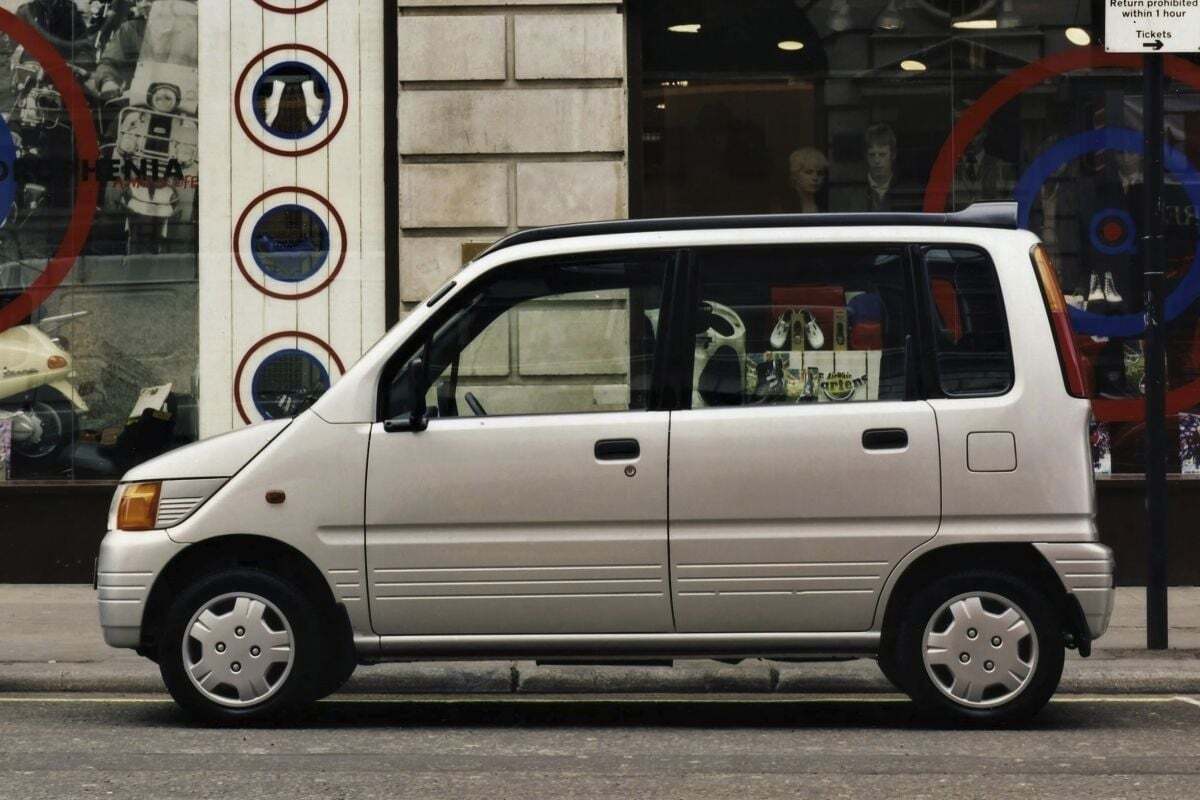
Remarkable is The Line That Runs Down from the A-Pillar Towards The Front.
How was it recovered by the public?
Entirely as Expected, not Exactly with Open Arms. “The Move Clearly Loosens Tongues. There is a Group that does not because to be found dead in it and a club that thinks it is a fun car. Whatever you thought of it: The move was Certainly A Smart Sacrifice in 1997. At the Introduction, the City Racer Cost Almost 19,500 Guilders, While the Bare But Equally Practical Renault Twingo Offered Fewer Doors For More Money. We were full of praise for the interior space. The 3.31 meter Short Move Turned Out to Be Very Practical. Four Adults had Just as Much Legroom As in a Considerably Larger Car. Just like the twingo, the move had two longitudinally adjustable seats in the back. Not to mention the headroom.
In Addition, The Good Seating Position, The Comfortable Seats And The Ventilated Disc Brakes Behind Wheels Received Applause. The 843 CC Small and Only 42 HP Strong Three-Cylinder Engine then Attributed ‘Decent’ Performance, AltheHe IT is Difficult with the Eyes of Today. The Machine Made Itelf Heard on the Highway – Where the Move Proved to Be Very Sensitive to Crosswinds.
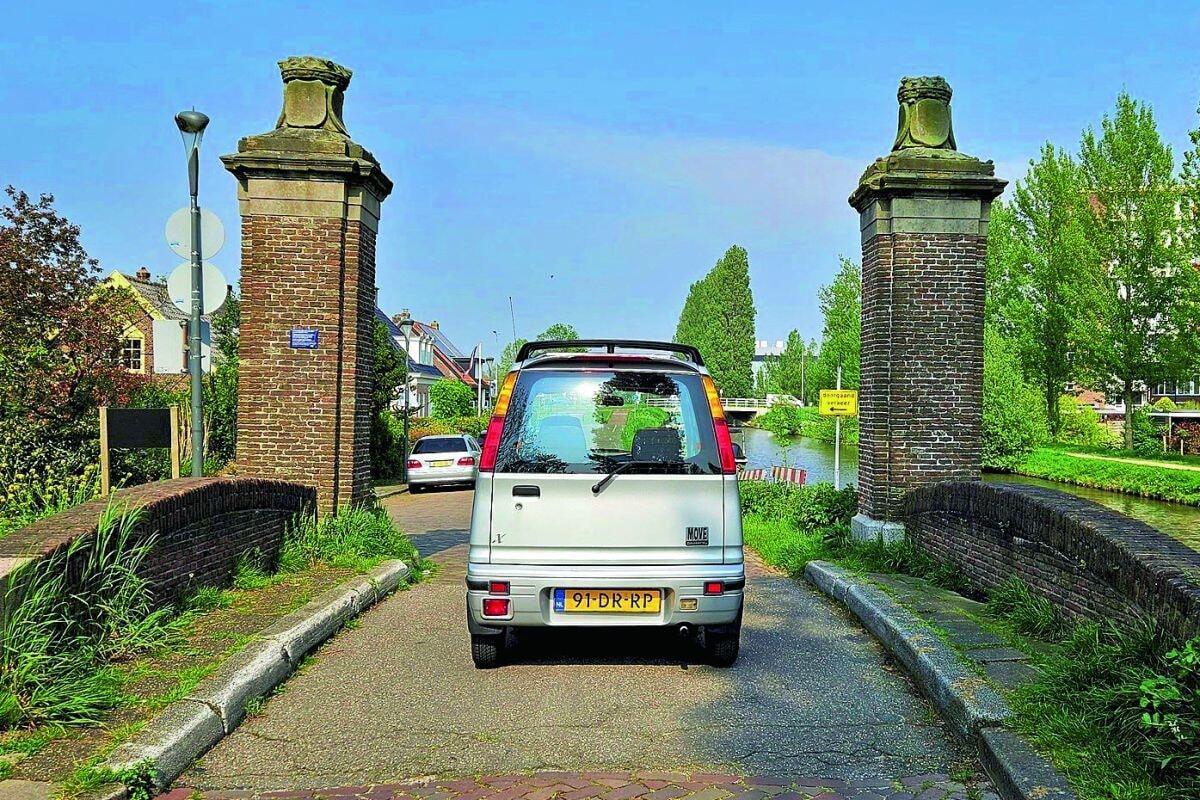
Daihatsu Move: Just like a narrow Volvo 850. Right?
How revolutionary was it actual?
The Move was not the very first high kei-car, but in the 90s after the suzuki wagon r-not to be confused with the wagon r+ derived from it for the European Market-it was one of the first of a reborn type of Kei-car, Found ITH, Found ITH. Honda Already Sold The Life Step From in 1972 and is Seen as the Inventor of the Concept, but the segment remained as minuscule as the cars Themselves for a long time. The Move was the first in the High Kei-Car Group to Come to Europe. The Aforementioned Wagon R+ That Later Arrived in Europe In 1997, A Wagon R (Without ‘+’) was adapted and expanded for our corner of the world with a Larger Engine. In that form it, no longer was just a kei car. The move that came to Europe was not either. It was not larger than the original, but it did get a larger engine.
The Move Could Be Described as a True Mini-MPV, Although Daihatsu Did Not Yet Know How to use the Space Found in Height. Where the modern high kei-cars are packed with handy compartments, the upper part of the move was filled with nothing but air and charm. The Sliding Seats in the Back Were – Just Like the Tailgate – A Real Asset. A Small Disadvantage of That Tailgate: The Hinge Point was not Adjusted for the European Market. So Walk Around.
What were the Choices at the Market Introduction?
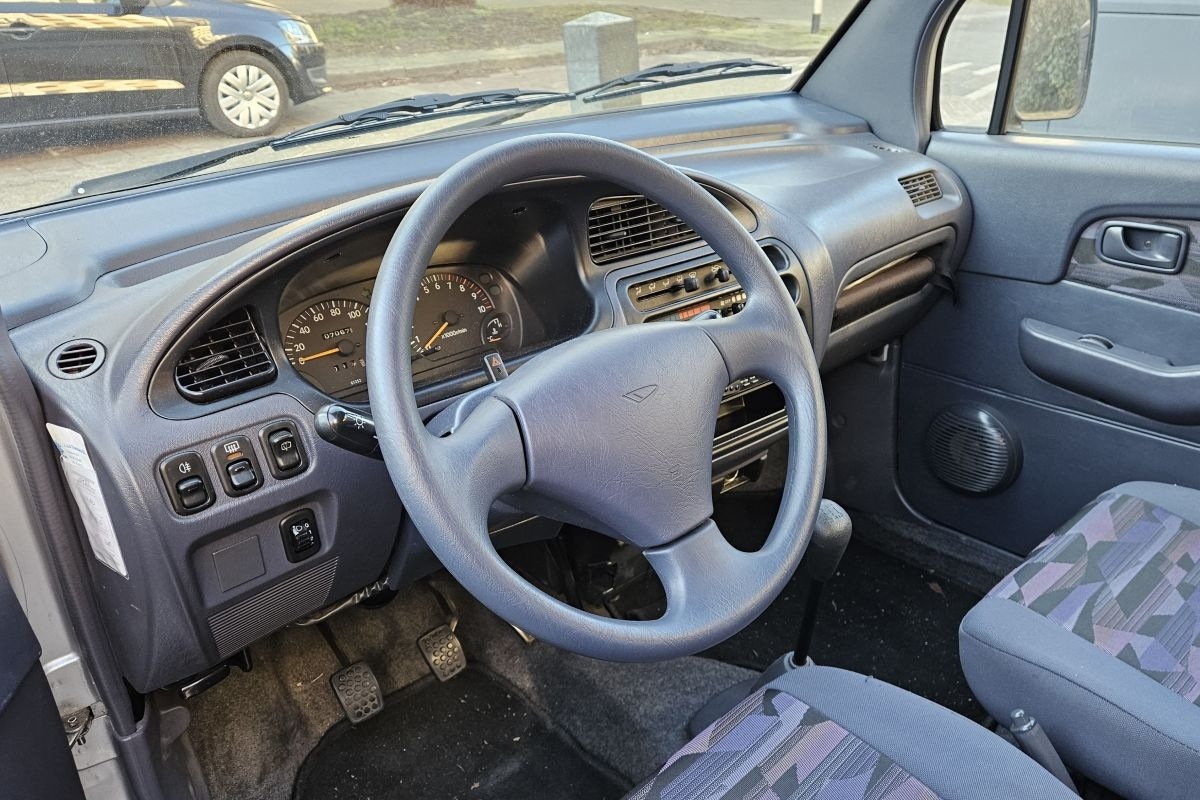
The Dashboard Came One-On-One From the Cuore on What the Move was based.
What were its competitors?
The Suzuki Wagon R+ Somewhat Disturbed The Move Party in the Netherlands. That Slightly More Mature Looking And Driving Suzuki would not be the only one in the move segment. Daewoo fired the Matiz on the European Market and Hyundai supplemented its Delivery Range with the Atos. Each and every one of them models with a relatively high body for the length and width, although none of them could match the almost laughable height-width ratio of the move in a positive sense. The Practical and At Least As Cudly Renault Twingo was also on the list of competitors of the move, Just Like Almost Every A-Segmenter with a Starting Price of Around 20,000 guilders.
Any Special Features Door Its Life Cycle?
In Japan, The Move Always had A 659 CC Gasoline Engine, which could not only be combined with four-wheel drive, but also with a turbo. Because of the Higher Emissions of the Turbo Versions, They Never Came To Europe. The Move Custom – A Variant with a Completely Different Front – also Remained Reserved for the Home Market. The Original Move was only delivered in the Netherlands for a short time. It appeared on the Dutch price list in March 1997 and was removed from it in October 1999.
In The Meantime, there was a new generation of cuore to base the move on and daihatsu seized that opportunity directly. Not ercole spada and his cronies from the i.de.a Institute, but an equal bigger name was called in to design the second move: Italdesign Giugiaro. This move – which was a soldier in China as Huali Happy Messenger – would be the last move to come to the Netherlands. In Japan, The Move is Still very much Alive. The Sevens Generation Has Been Driving there Since Mid-This Year.
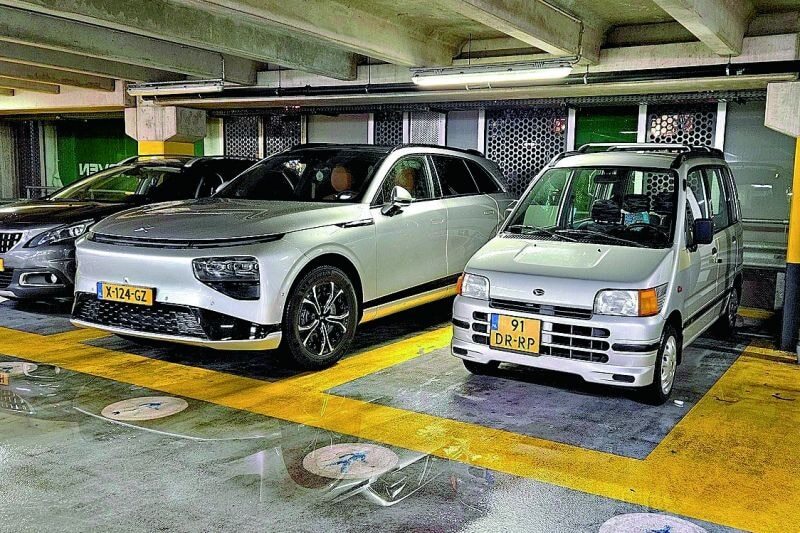
In The Current Street Scene, The Daihatsu Move Feels equally narrower Than It was 30 years ago.
Which Version Appeals Most to the Imagination?
Nowadays the Original Move is Becoming An Absolute Rarity. The power of the move is not so much the execution, but the character and the overall appearance. A MOVE X – WHETER OR NOT in Optional Two -Tone Color Scheme – With Ladder Or with the Optional Bumper Kit is Visaally by Far The Nicest. Patience is then a virtue: you rarely come across them. The Original Set of Light-Alloy Wheels, Just Like The Ladder On The Tailgate, is Seen As The Holy Grail of the Move Epic. The custom and turbo variants Reserved for the Japanese Home Market are of Course Unique, but you will not find Those Right-Hand Drive Versions in the Netherlands. Fellow Road Users No Longer Laugh at You in A Move, But Cheerful. The Undersigned Speaks From Experience: He had one in front of the by Until March this year.
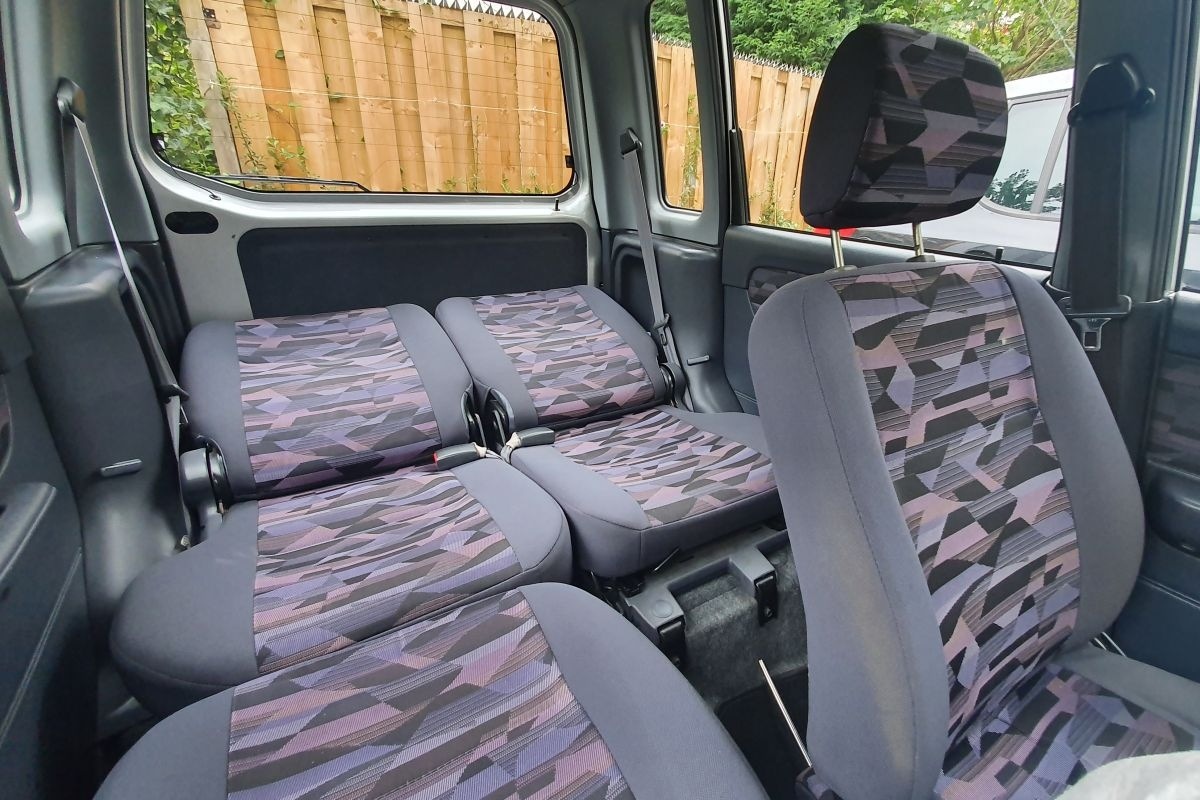
Surprisingly Practical, The Interior of the Daihatsu Move.
What has Has Been the Impact of the Daihatsu Move?
Anyone Who Follows Our Website Closely Has undoubtedly SEEN DOGS OF HIGH KEI-CARS PASS by in recent years. The high ukkies are not to be dragged in Japan. Subaru Sells The Move As Stella, Brands Like Suzuki, Mazda and Mitsubishi Sell Them and Honda Has also Been Successful with its Versions For Years. The Honda N-BOX HAS Even Been The Best Selling New Car in Japan for Years. Now that we’re talking about Honda: It’s Bringing an Expanded and Adapted Version of an electric Kei-Car to European Safety Requirements Our Way for the European Market. Former Renault CEO Luca De Meo Stated in 2024 That the Eu Should Stimulate Small Cars, Following the Example of – Yes – Japan. Who Knows, This Type of Cheerful City Friends Will Make a comeback on the European Market.
How many are there in the Netherlands?
Althegh the Model Dates From 1995, The First Moves Only Came To The Netherlands in 1997. Of the More Than 1,600 Cars That Were Sold That Year, Accordance to Vinacles Data, There Are Still 88 Left. Then we are talking about moves with a valid registration number. If we add 1998 (69 pieces) and 1999 (43), we arrive at a Total of Exactly 200 Copies of the Original Move. In 2000 and 2001, a handful (10 and 2 pieces respectively) were registered. In Total, 4,028 Moves Were Sold in the Netherlands. With 212 Survivors, This Compact Japanese Has Become a Fairly Exclusive Appearance. The Data From Vinacles also Mentions the ‘Big’ Brother of the Daihatsu Move, The Gran Move, which was Delivered at the Same Time. Of these, 5,203 Were Sold, or which 462 Appear to exist with a Valid Registration Number.