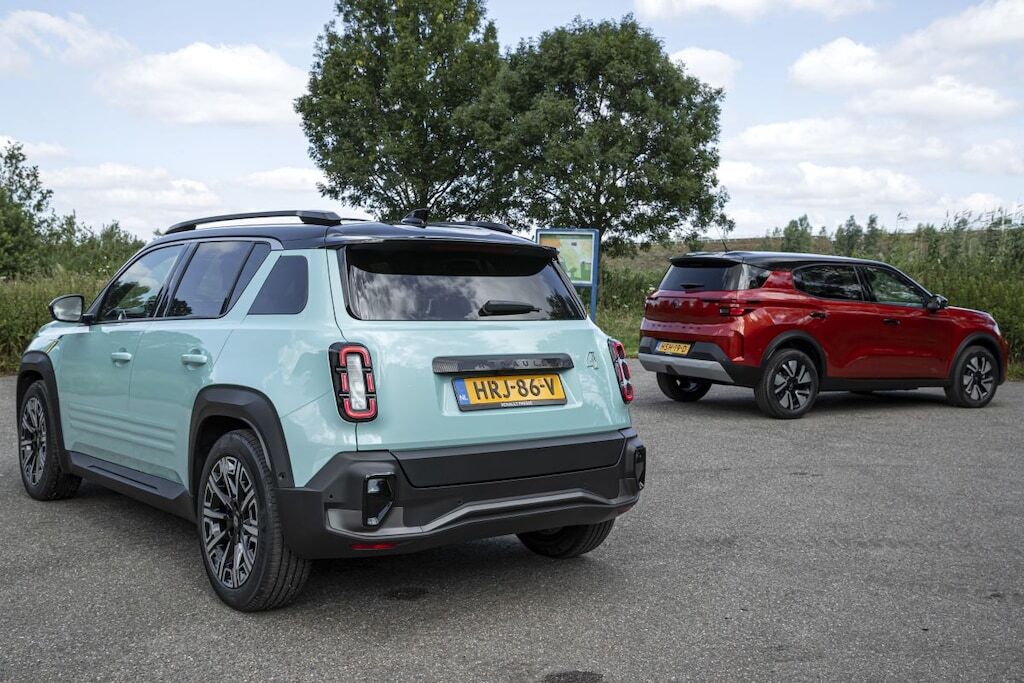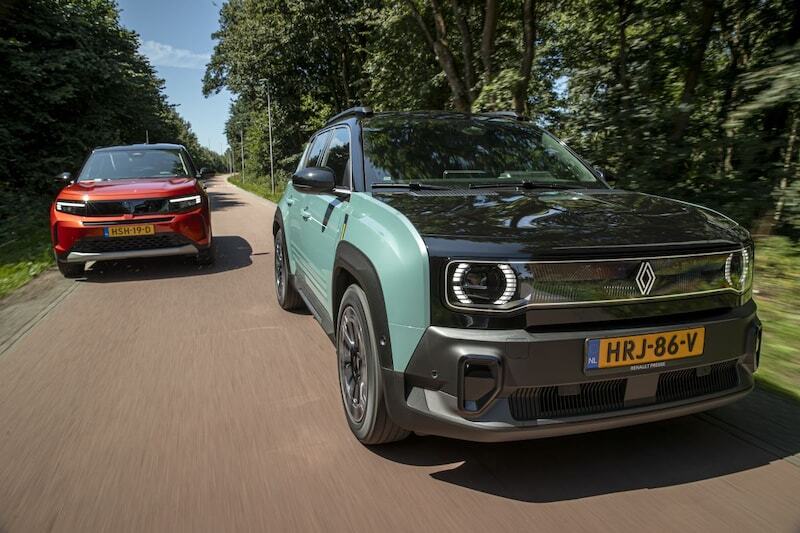
Attaching an old name to a new EV is popular right now. Opel is Bringing Back the Frontera, and Renault is Reviving the 4. Both as Evs, Both with a Starting Price of Around € 30,000. Which car best revives the old days?
Using your heritage as a marketing tool is QUITE RISKY, especiate if the original was a very distinctive car that the new one has nothing to do with. Yet, for many European manufacturers, it’s a way to distinguish their evs from the influx of asian models, which can’t boast a long track record. And in the case of the Opel Frontera and Renault 4, It’s at Least Less Painful Than With Some Other Manufacturers. After all, The Original Frontera was at Least an SUV, and Although That Doesn’tn’t Apply to the 4, You can at Least Recognize the Basic Shape in the New One, just Thought’s Clearly More of an Suv than a hatchback Like the Original.
Renault Only Electric, Opel also as Mild Hybrid
The Biggest Difference, However, is of course in the fact that the new versions are available with an electric powertrain. In The Case of the Renault 4, there is a Version with a Combustion Engine. With the opel frontera, you can choose between ‘old-fashioned’ petrol, but in this case, we’re naturally going for the electric.
In contrast to renault, it’s only available in one flavor for now, althegh a long range version will be added shortly. This gives you a 44 kWh Net Battery and A 113 HP Electric Motor. That provides a range of 305 km Accordance to the WLTP Cycle. Charging is Standard with 11 KW on ac and up to 100 kW at the fast charger. Incidentally, After Several Attempts, we never get further than about 90 kW, just when we connect with less than 20 percent. Perhaps the Warm Weather Plays a Part. As a result, the air conditioning has to work hard, and as special on the highway, consumption increases in consultation. At Least: That’s what we suspect, because the frontera’s on-board computer is so rudimentary that an avarage consumption cannot be so-sen. So we have to make do with an average at the charging station, and with that, the frontera come to 17.1 kWh per 100 kilometers. AltheHe that’s not particularly high, It’s still a bit disappointing in Light of the Very Limited Power. With 113 HP, there isn’t so much a 0-100 ‘Sprint’ in the Frontera, More of a Leisurely Stroll. In practice, that limited power isn’t very annoying, you just don’t have to try to merge quickly. You also have little influence on the degree of recuperation. It is what it is, and with the c button on the transmission stick, you can make it a little less.
That’s handled a lot more extensively in the Renault 4; Using the Paddles Behind the Steering Wheel, You Can Determine in Four Positions How Strongly the Car SHOULD BRAKE On The Engine When You Release The Accelerator. In The Strongest Position, it even does so so completely to a standstill, so that you at least recover the maximum. It is annoying that you get a bep every time you turn on that one-pedal stand, but that can undoubtedly be solved with a software update. Incidentally, you must have at Least a ‘Techno’ Equipment Level; remarkable, there is no one-pedal functionality on the basic version. In Addition to An Equipment Level, You Can also Choose Two Powertrains at Renault. An urban range and a comfort range. Based on the figures, the Former with its 120 HP and 308 km WLTP Range would be a better fit. But that was not yet available at the time of the test, and based on the price, the comfort range with 409 km and 150 hp also fits well with the frontera. More Power, Therefore, and you can see that in the performance. The consumption with 16.8 kWh per 100 km at the Charging Station is also Slightly Lower, Although here Too It Increases Quickly on the Highway.
Opel Frontera Really SUV, Renault 4 More Cross-Over
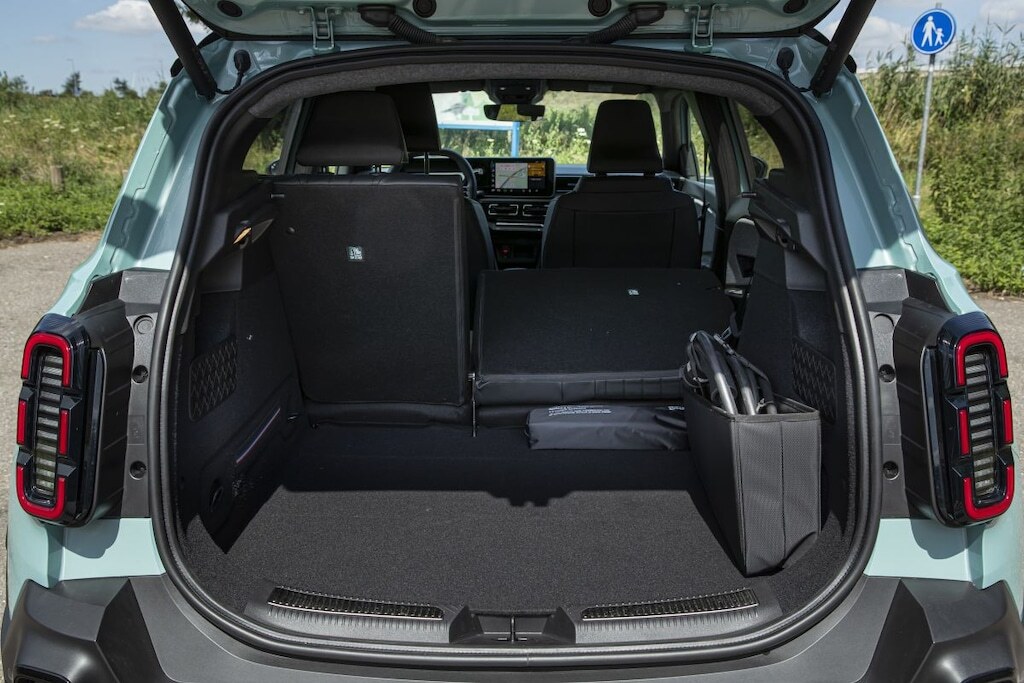
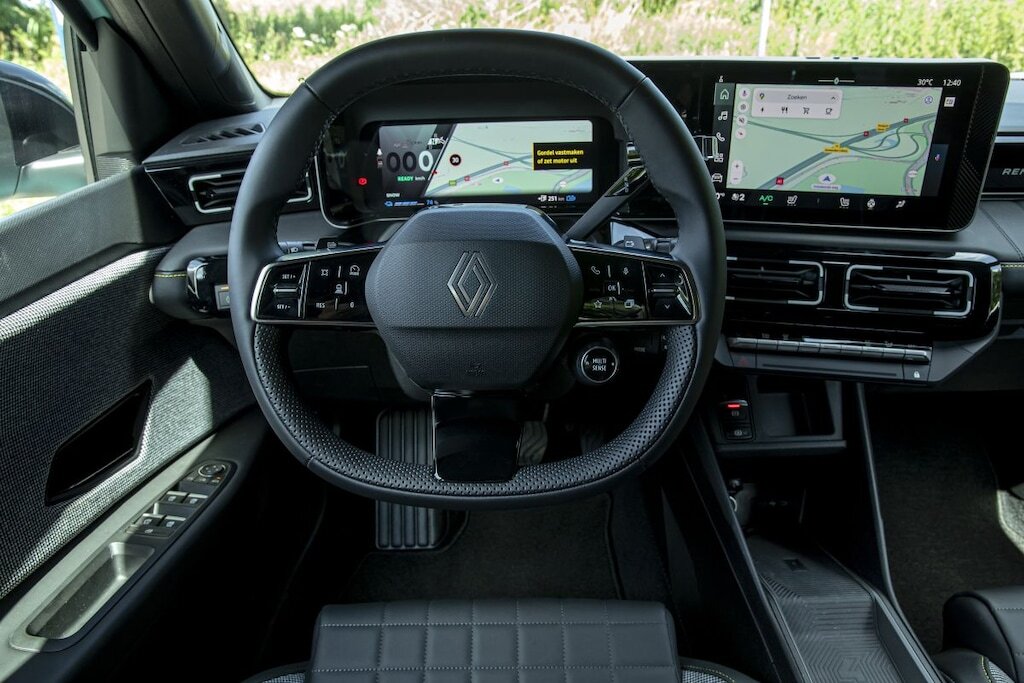
In that respect, you notice that the renault 4 has a bit of an suv body, and that simply delivers more resistance than the hatchback body of the 5. Fortunately, it also delivers more space. The 4 fits 420 liters in the back, and that’s a very decent score. Perhaps More Important, However, Are the Things You Can’t Express in Liters. Think of a remarkable low loading sill and a passer seat that (again from the techno version) can be folded forwarded forward completely so that you can load long items. In The Back Seat, The 4 is Just Spacious Enough for Dutch Adults. There is not much freedom of movement left, but you are not stuck. At the Front, the 4 Makes a particularly good impression. The design is playful, the materials used and the finish are of a high level, and the ergonomics are excellent. The Same Applies to the Infotainment System Running on Google Software, which Excel in Simplicity. ADD Enough Physical Control buttons and you have a car that, strange as it may sound, has surprisingly few points of irritation. The only downside in this regard is the entry, which is a bit strange both front and rear. The combination of not too too too large doors and a relatively high floor mean that you fall in a bit more, and in the front you have to make sure that you do not prick the tip of the dashboard in your knee.
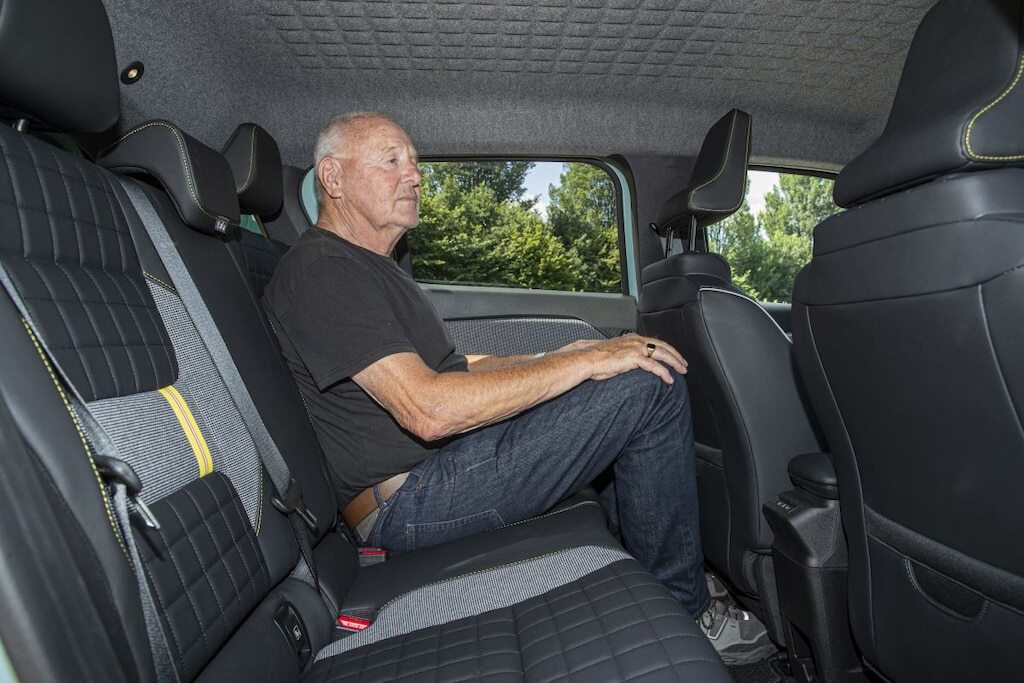
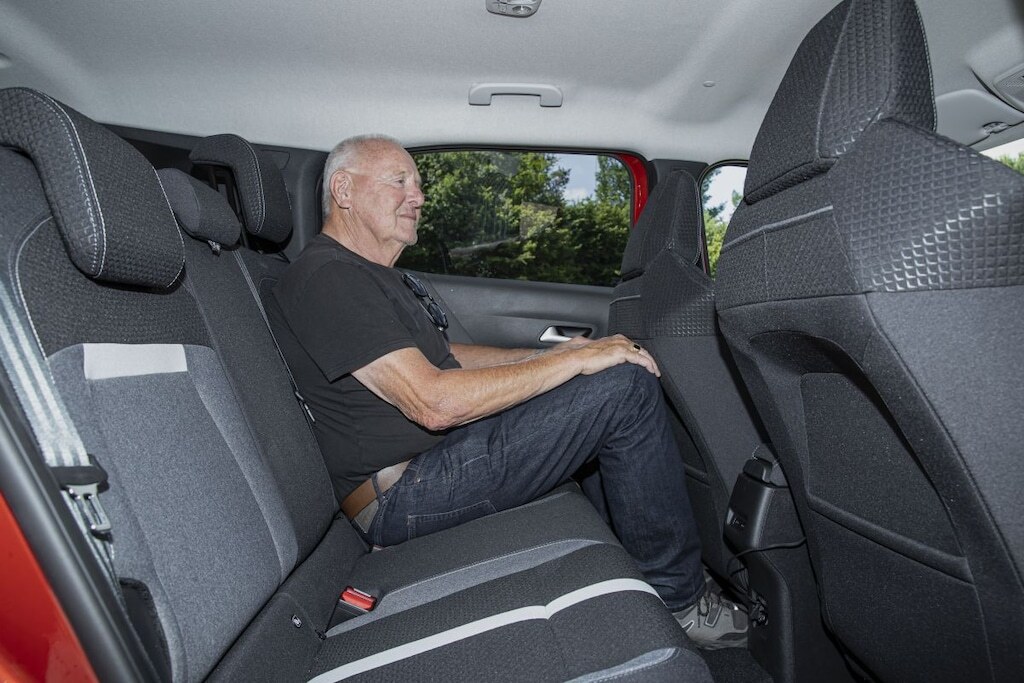
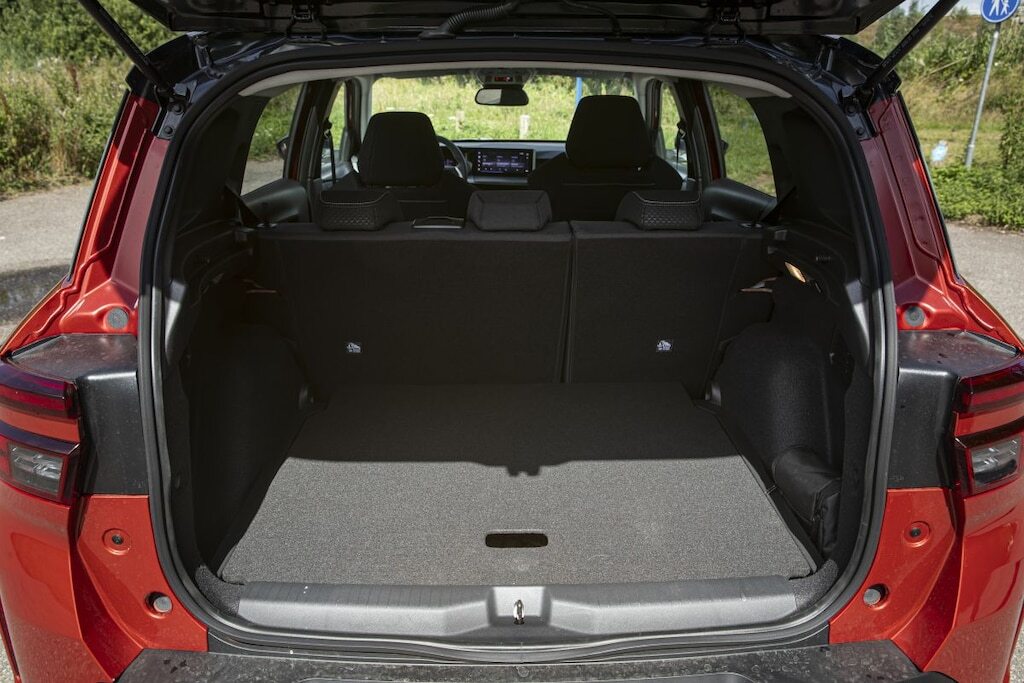
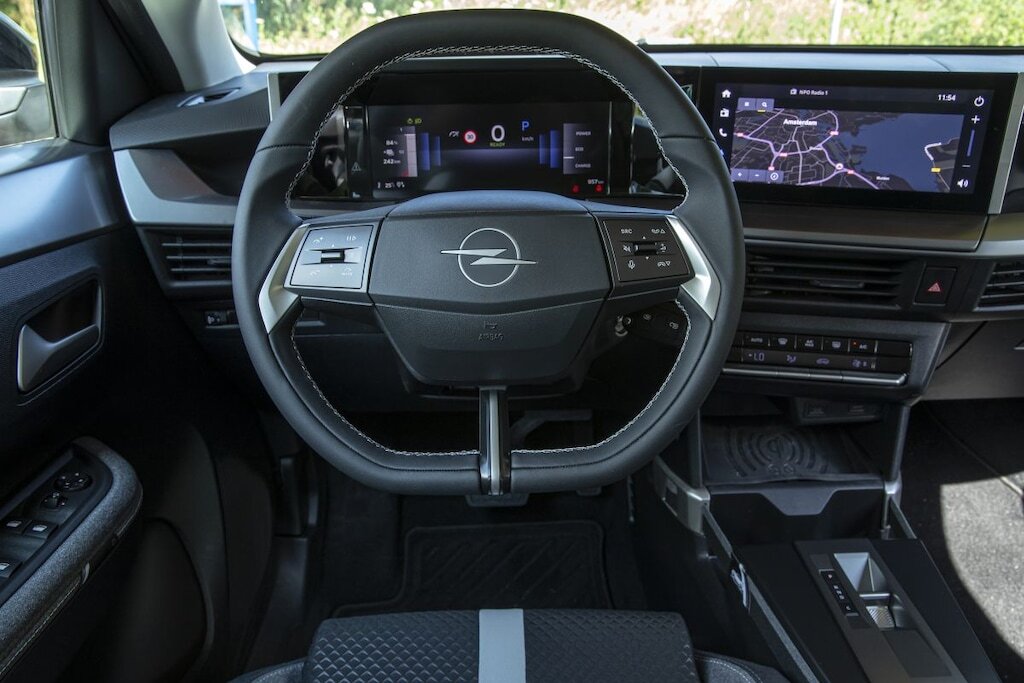
In Terms of Entry and Space, The Frontera Picks Up A Few Points. It is a slightly larger car and you notice that in the luggage space, but specialia in the back seat. On the other hand, all that space looks a bit sober. You see and feel that it is a model that had to be developed for a certain price, so everything is hard and purposful. The Infotainment System Fits in Seamlesly and the Digital Instrumentation Offers Few Possibilities. In short: it works, it is spacious and that’s it.
Renault 4 Almost Premium, Opel Frontera Just Basic
The Opel’s Chassis is also simple in design, resulting in a comfortable but uninspiring driving car. The relatively large sidewall fits well with the chassis, which is not hard in its self, and as a results, the frontera filters out almost everything. The Steering Works Lightly and Pleasantly Directly and All in All It Is A Car That Drives Well And You Have Already Forgotten How It Felt Before You Got Out.
Step Into the Renault 4 and you get a Masterclass “Advantages of a Multilink Rear Axle”. The comfort is at the same level as the frontera and at the same time the 4 is more stable on the road and the cary to turn in the corner More Easily. The Direct Steering With More Counter-Pressure Than In The Frontera Gives You More Connection with the Road Surface. That makes it a car that can be steered more easy and with a bigger smile over the road and for those who do not have an added value, the comfort is still at a very high level.
Both Not Really Cheap
The Price is also at a very high level, because the full -equipped test Car Comes to Just Under € 40,000, significantly more than the Frontera, which Changes Hands for € 32,999. In The Case of the Frontera, We Are Assuming A GS, The Provisional Top Version. However, Don’t Imagine Too Much Of It, because the Equipment is Certainly Not Neverhelming. Actual, you should set aside another € 599 for a package with seat and steering wheel heating, which would bring the price to € 33.598. Then you have the basic things you need, because a heat pump is not an option and without seat heating it will be really tough in the winter or settle for a very limited range.
Renault does supply a heat pump on the 4, but from experience with the 5 we know that it does not have enough power and therefore has to be heated extra, with rather disastrous consequences for the range. If we wanted to bring the equipment in line with the frontera, we would have to assume a techno with pack winter premium, which would make the price about € 2,000 higher than the frontera. Not small money, but then you have a highher quality car with a greater range and more power. Downgrading to an Urban Range is Possible, but then you also have to settle for less equipment, no one-pedal drive and fast charging up to 80 insist or 100 kW. The performance will still be better than that of the frontera. From experience with the 5 we know that this version is certainly destination and then the 4 is also a few thousand euros cheaper than the frontera.
For Both Cars, the Fact that They Don’t Really Revive Old Times Applies, Since they have nothing to do with the model That Once Bore the Same Name. That’s a good thing too, because times change. And Renault Understood that Best in this case.