Rescue for plugin?
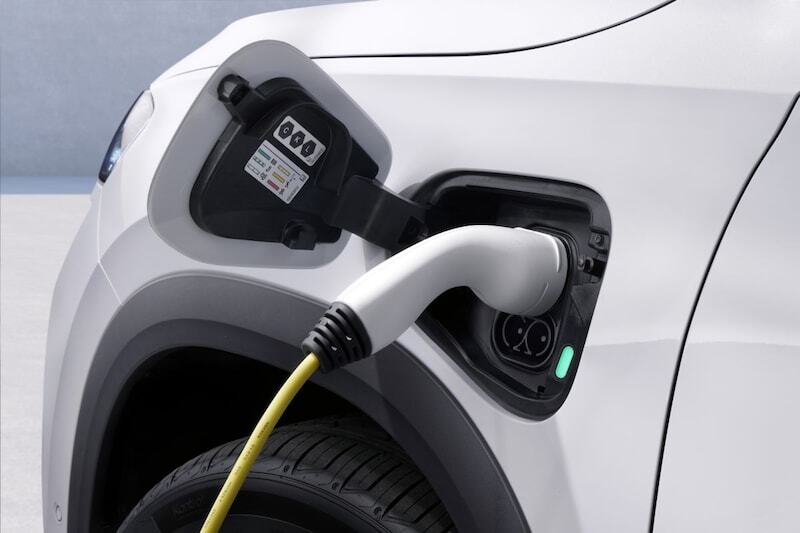
The German automotive industry is advocating for a charging obligation for plug-in hybrids. The sector wants to prevent these vehicles from being excluded from future European regulations that ban the sale of combustion engine vehicles.
Under the banner ‘Save the plug-in hybrid’, the industry is trying to position hybrid cars as an environmentally friendly alternative that should be recognized as emission-free. Plug-in hybrids, which have both a combustion engine and an electric motor, are popular in Germany, the Netherlands and many other European countries, and sales figures continue to rise. In practice, however, it appears that many drivers hardly charge their cars and mainly drive on petrol or diesel. According to the Frankfurter Allgemeine Zeitung, the chairwoman of the German automotive lobby VDA, Hildegard Müller, wants to change this. She proposes making charging mandatory.
Engine power limitation
Vehicles should be designed in such a way that regular charging becomes necessary. According to this proposal, those who do not charge their cars and drive exclusively on fuel would be limited in engine power. “Such measures specifically encourage electric driving,” said Müller. Things don’t look good for plug-in hybrids, despite their increasing popularity. Recent research by the environmental organization Transport and Environment shows that the CO₂ emissions of plug-in hybrids in practice are up to five times higher than the official figures suggest.
This puts pressure on European regulations: Brussels wants to adjust the way hybrid emissions are calculated. This adjustment could have major consequences for car manufacturers. For years, the EU has had so-called fleet standards that determine how much CO₂ a manufacturer’s new cars may emit on average.
These standards are being progressively tightened towards 2035, until emissions must eventually reach zero. With the proposed charging obligation, the German automotive lobby hopes that this type of car will not be banned after 2035, but the question is whether that will succeed. It also raises questions about control, privacy and the freedom of movement of motorists.