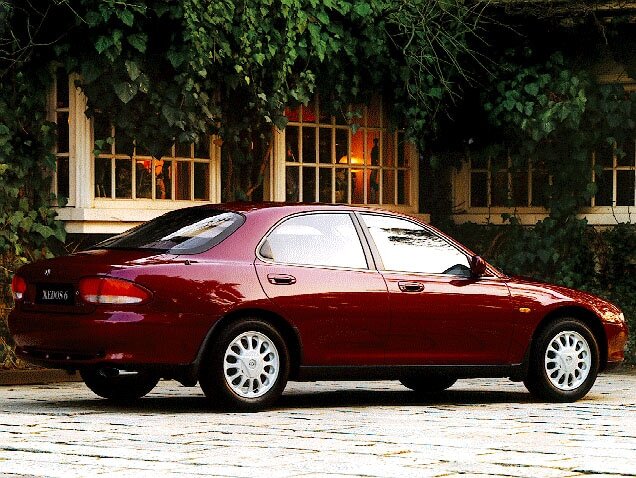
First brand, later model series
The Xedos 6 is a brave attempt by Mazda to create a European premium brand. But as so often in life, success turns out to be a matter of timing.
We thank Xedos to Mazda’s ambitions for walking back on Nissan and Toyota and becoming the third major Japanese car concerner. In the late 80s, the small Mazda starts a growth spurt that looks more like an anabolical cure. In addition to Mazda, the group is launching three completely new brands. Autozam focuses on small models, Eunos and Efini are luxury brands that are positioned above Mazda. It is of course not to do new cars for all those brands, so the model range are a smart mix of variations on existing Mazdas and unique models. For example, in its home country, the MX-5 is only available as Eunos. Outside of Japan, most of those models simply wear a Mazda logo. For example, we get to know the Autozam Revue as Mazda 121 (Bolhoed) and the Eunos 100 as Mazda 323F (Klapkoplamps).
Xedos 6 is an adapted Eunos 500
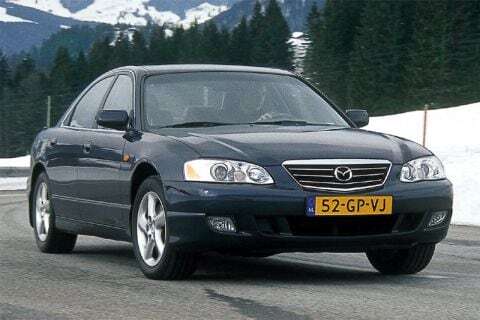
Yet the Japanese also see room for a brand over Mazda in Europe. The Xedos 6, the Japanese Eunos 500 that has been adapted to European requirements, appears in June 1992. The basis for the Xedos 6 is the Mazda 626, but the carriage is much more modern. The Xedos is also at the forefront technically, with a silky smooth two -liter V6 and standard safety features such as ABS and a driver’s airbag. The handsome Xedos seems to have everything on board for a glorious career. But at the beginning of 1993 things went terribly wrong. The Xedos 6 is cold in the showroom when the European car sales collapse like a house of cards. Analysts predict a relapse of almost one and a half million cars over 1993. While the European car builders save what can be saved, Mazda stands for an impossible task with the totally unknown Xedos. Those who buy an expensive car at all opt for a trusted brand. The Xedos 6 is firm at the price – for the same money you buy a BMW 320i or a Mercedes 190 2.0. Despite spectacular advertising campaigns, Xedos is not getting off the ground. Already after a few months, Mazda takes the car in his own model program, hoping that he will wake more confidence as Mazda Xedos 6. The same fate awaits the larger Xedos 9. But the project is stranding. After only 72.101 copies, the Xedos 6 adventure is over in September 1999. In 2001 the Xedos 9 and therefore the name Xedos disappear.
Mazda’s ambitious growth plans run out of nothing. The perfect storm of the stopping Japanese economy, a worldwide recession and the rising course of the yen bring the group to the edge of the abyss. Ford comes to the rescue and intervenes hard. All new brands are being canceled and Mazda is completely back in 1998.
First Brand, then Model Series
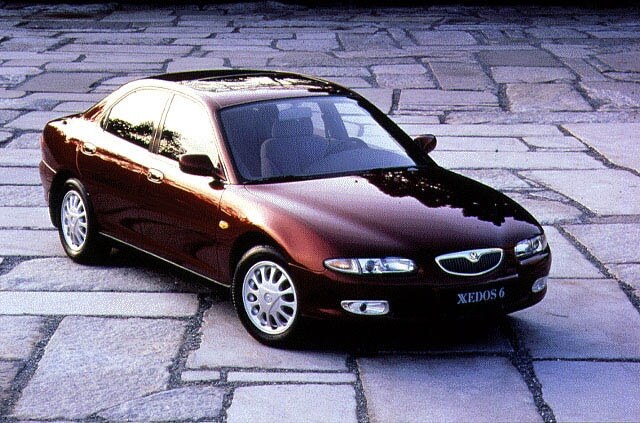
The Xedos 6 is a good attempt by Mazda to create a European Premium Brand. But as is the case in life, Success is Mainly a Matter of Timing.
We OWE XEDOS To Mazda’s Ambitions to Catch Up With Nissan and Toyota and Become the Third Major Japanese Car Company. In The Late 80s, The Small Mazda Starts A Growth Spurt that looks more like an anabolic cure. In Addition to Mazda, The Company Launches Three Completely New Brands. Autozam Focuses On Small Models, Eunos and Efini Are Luxury Brands That Are Positioned Above Mazda. IT IS IT COURSE Impossible to develop New Cars for All Those Brands, So The Model Ranges Are A Smart Mix of Variations On Existing Mazdas and Unique Models. The MX-5, for example, is only available as a eunos in its home country. Outside Japan, Most of Those Models Simply Carry A Mazda Logo. This is how we get to know the autozam revue as the mazda 121 (Bowler Hat) and the Eunos 100 as the Mazda 323F (pop-up headlights).
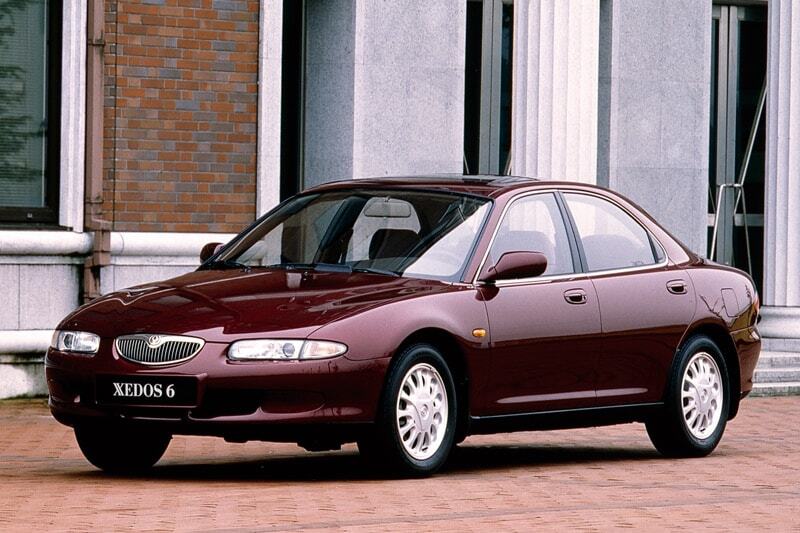
Xedos 6 is a modified eunos 500
Yet the Japanese also See Room in Europe for a Brand Above Mazda. In June 1992, The Xedos 6 Appears, The Japanese Eunos 500 That has bone adapted to European requirements. The Basic for the Xedos 6 is the Mazda 626, but the body is much more modern. The Xedos is also Technicalally Advanced, with a Silky Smooth Two-Liter V6 and Standard Safety Features Such as Abs and a Driver’s Airbag. The Handsome Xedos Seems to Have Everything on Board for a Glorious Career. But at the beginning of 1993, Things go terrible Wrong. The Xedos 6 is Barely in The Showroom When European Car Sales Collapse Like A House of Cards. Analysts Predict A Decline of Almost One and A Half Million Cars Throughhout 1993. While European Car Manufacturers Are Saving What They Can, Mazda Faces An Impossible Task With The Completely Unknown Xedos. Anyone Who Still Buys An Expective Car Chooses A Trusted Brand. The Xedos 6 is Exensive – For The Same Money You Can Buy A BMW 320i or Mercedes 190 2.0. Despite spectacular advertising campaigns, xedos fails to take off. After only a few months, Mazda includes the car in its own model program, hoping that it will inspire more confidence as the mazda xedos 6. The same fate awaits the larger xedos 9. But the project fails. After only 72.101 copies, The Xedos 6 Adventure Ends in September 1999. In 2001, The Xedos 9 also Disappears, and With It The Name Xedos.
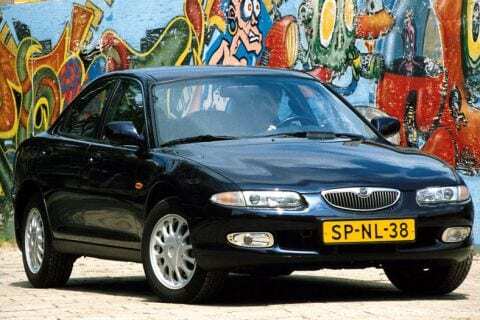
Mazda’s Ambitious Growth Plans Come to Nothing. The Perfect Storm of the Staling Japanese Economy, A Global Recession and the Rising Exchange Rate of the Yen Bring the Company to the Brink of the Abyss. Ford Comes to the Rescue and Intervenes Harshly. All New Brands are scrapped and in 1998 Mazda is back to square one.