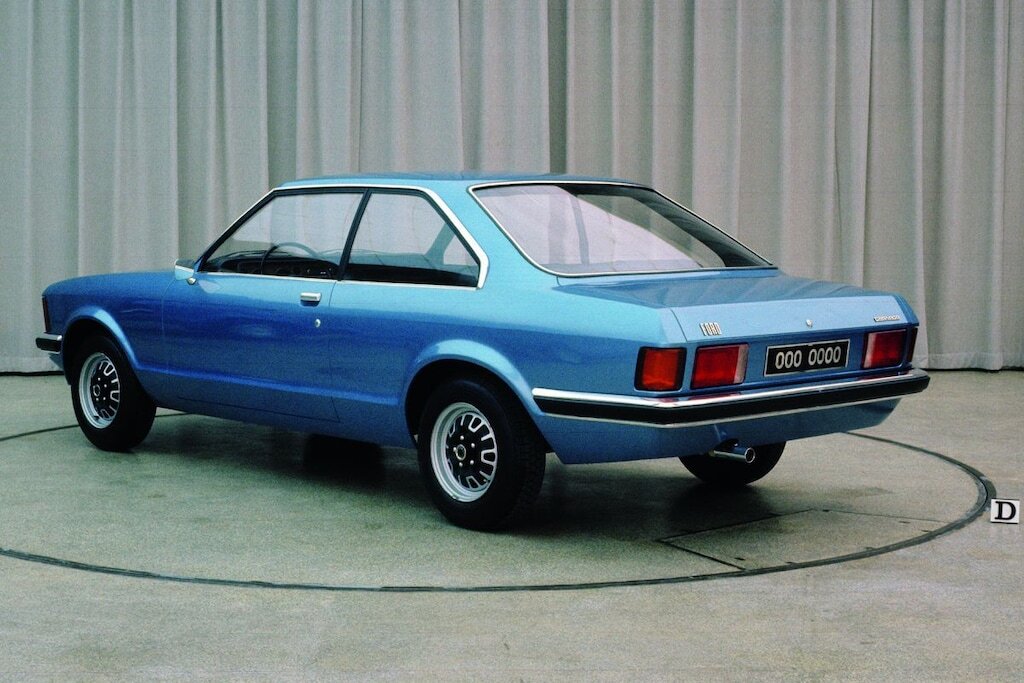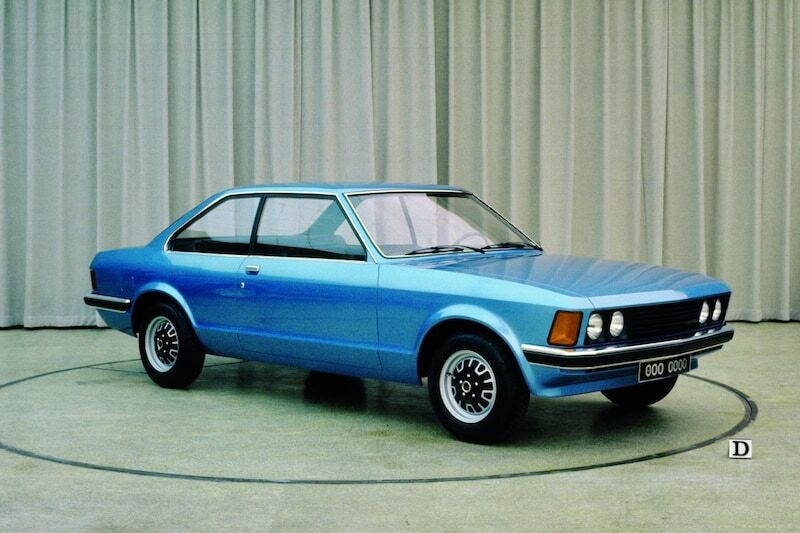
The design of the Ford Granada was once a battle between rivals, between four studios, and between different cultures. The design proposals partly resembled American battleships, sometimes large Fiats, and even a BMW.
“I hated the Granada!” Patrick le Quément (80), a designer raised in France and Great Britain who is normally very eloquent and polite, abandons all British restraint when it comes to the Granada I (1972-1977). “It has flowing lines and a lot of embellishments. I have never found such a design beautiful,” he confesses in a conversation with us.
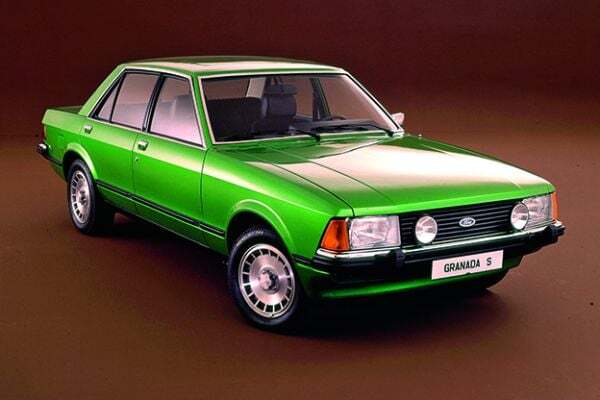
Between the start of the Granada project in 1968 and the last year of construction, 1985, a drastic change of course took place, to be precise with the model change from the Granada I to the Granada II in August 1977. Previously, the large Ford had plump curves and thick chrome trim. After that, it had straight shapes and clean lines, some versions even had to do without almost any chrome and decorations. Patrick le Quément was one of the masterminds behind this turnaround. But despite the contrasts, both generations are immediately recognizable as Granada. You can read how it all works out below.
First, we will delve into the creation of the Granada I. Its development began in 1968. “At Ford, things were chaotic at the time,” writes Alexander F. Storz in his book ‘Die großen Ford’. The Granada I was to be developed as a joint project of the British and German divisions. The people from Ford of Britain in Dunton, east of London, and those from the Ford factories in the Merkenich district of Cologne worked simultaneously on the successor to the Ford Taunus P7. According to Storz, ‘the design centers both claimed control in the field of car design’. He speaks of a ‘struggle for competence and jealousy’.
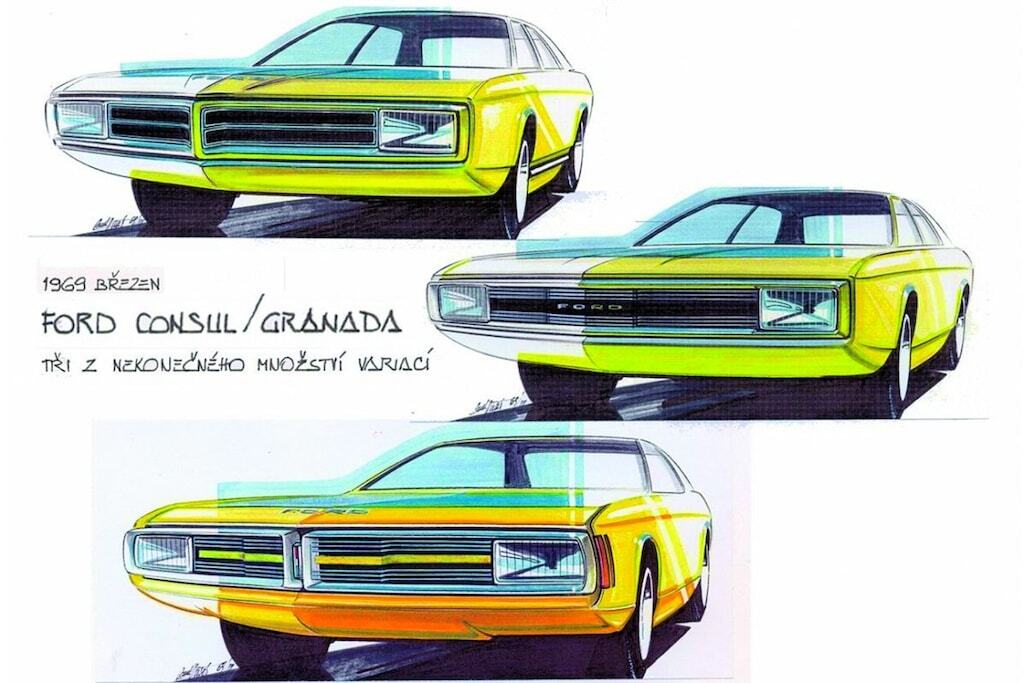
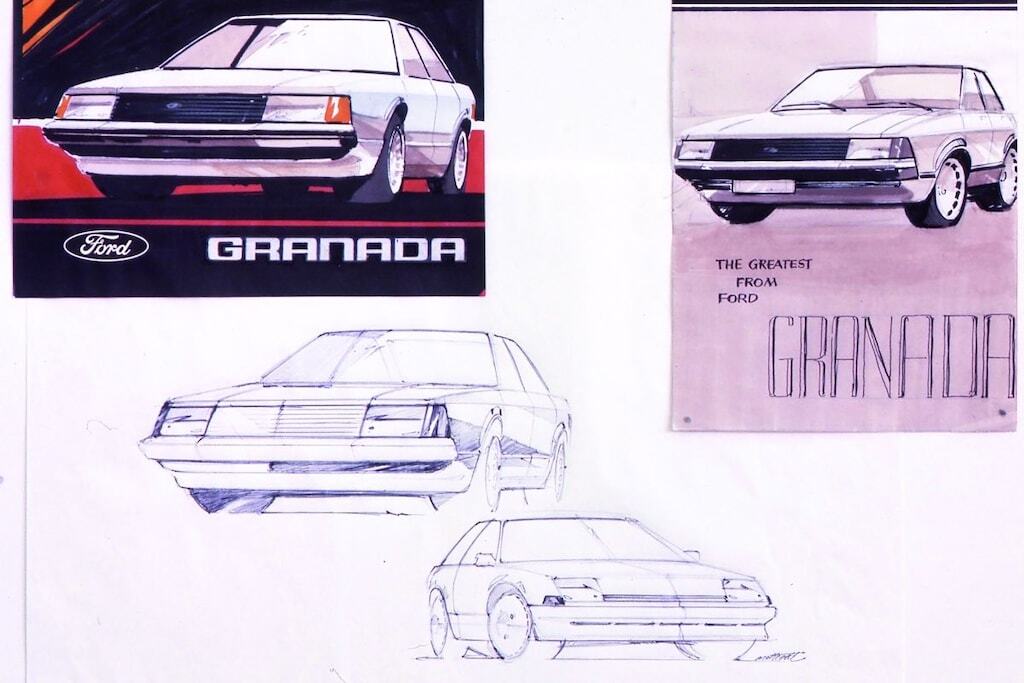
Actually, Ford of Europe, newly established in 1967, was supposed to coordinate the development, but the parent company in Dearborn also interfered in the affairs of the British and German branches. The sketches from that time do not look very European-American.
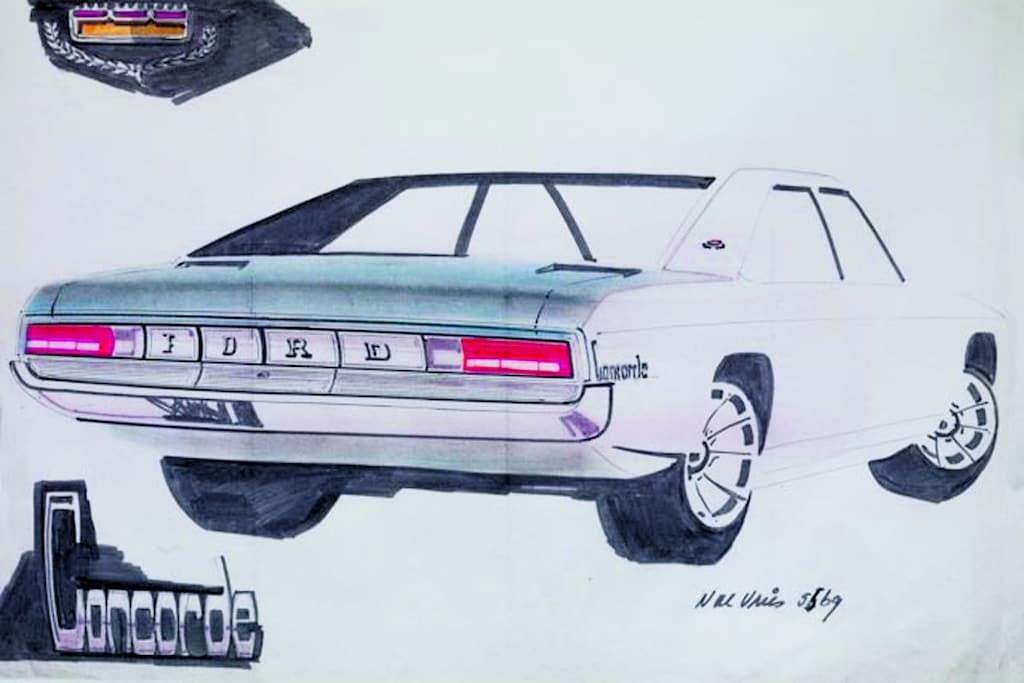
Proposals look American
Patrick le Quément, who started working at Ford in England as an interior designer in 1968, confirms: “The original design proposal for the Granada had a very American design.” The British designers, according to the Frenchman, were strongly inspired by the US at the time. Joe Oros was then Vice President of Design at Ford of Europe, he had come from the headquarters in Dearborn. He was the son of Romanian immigrants, but according to Le Quément he was “One hundred percent American, down to his clothes. His trouser legs ended about eight centimeters above his shoes, which had very thick soles – that was very hip in the US at the time.”
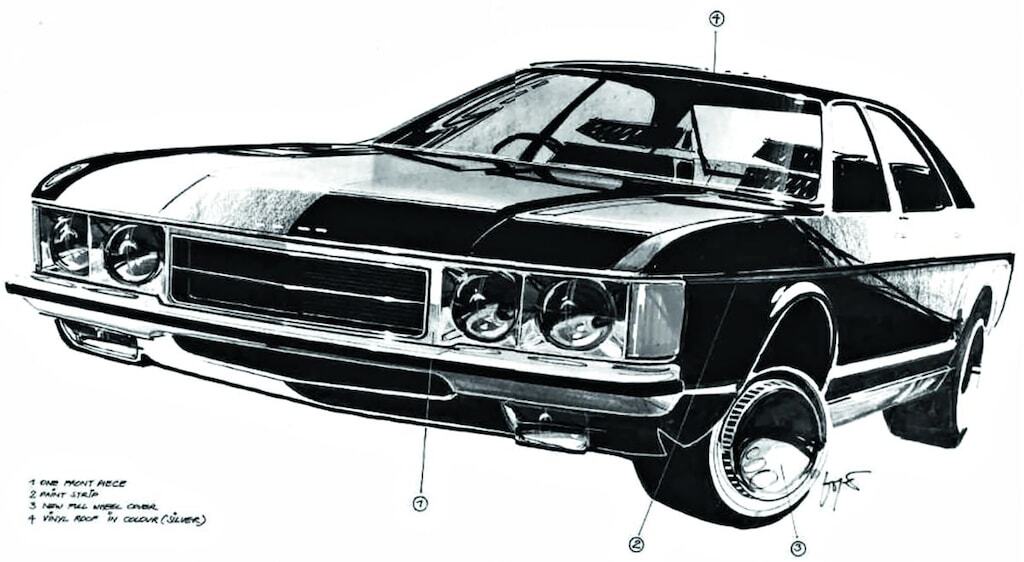
What was Oros, the famous designer of the original Mustang, actually doing in Great Britain? According to Le Quément, Oros’ boss, Eugene Bordinat Jr., wanted to sideline the platform shoe wearer. Rivalry is no stranger to Le Quément: he met Trevor Creed, his opponent at the Birmingham Institute of Art and Design, again at Ford in England. They worked there together on the interior design. One day they were told that whoever came up with the best design proposal for the Capri would be allowed to transfer to the coveted exterior design department. Creed and Le Quément thus competed against each other – Le Quément won. In August 1970, Peter Stevens, who later designed the McLaren F1, also started working in the interior design department.
Piano keys
Stevens tells how proud he was of the black switches, which were called ‘piano keys’, and of the recesses for the instruments, which in the more luxurious versions were decorated with silk-matte rings. For the sunroof, he came up with a lever that you could fold away when the roof was closed. “A spring held it up, it looked good. But many years later, when Granadas were frequently used as cheap taxis, it often bothered me that the lever was hanging down limply. Nowadays, such a lever sometimes costs 80 pounds on the internet.”
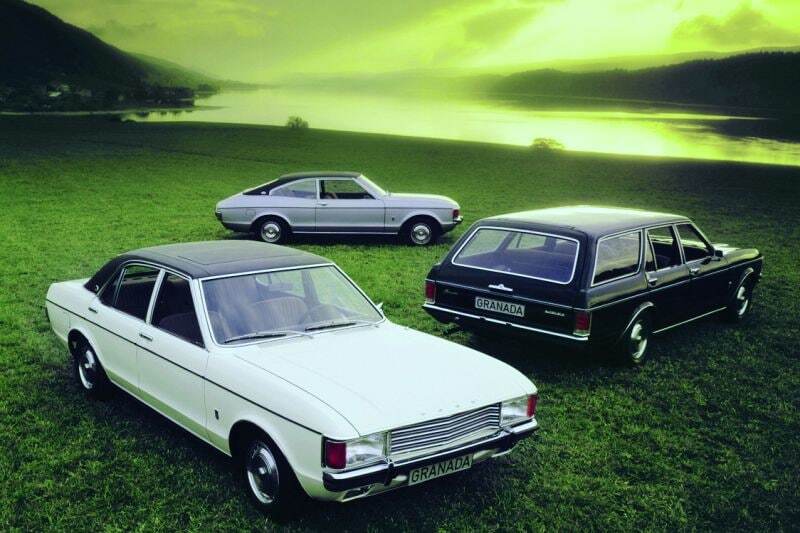
The Granada I came on the market in 1972. The design was largely created in the English studio in Dunton under the leadership of chief designer John Fallis. With the Granada II or ‘Granada 78’ almost everything was different: the idea behind the car, the process, the people, the difficulties, the result. The idea arose in 1971 at the Geneva Motor Show, as Steve Saxty describes in his new book ‘Secret Fords’. “Joe Oros and Uwe Bahnsen fell in love with the Fiat 130 Coupé there, which Paolo Martin had designed for Pininfarina.”
Bahnsen had already introduced the Linie der Vernunft, freely translated as the rational line, with the Taunus (‘bathtub’) at Ford Germany in 1960. The product planners gave the Granada’s update an archaic name: Project Eva. Responsibility for the exterior design of the European models was given to the designers in Cologne. Ford appointed Uwe Bahnsen as Vice President of Design in Europe in 1976, making him head of exterior design. From that moment on, the British only designed commercial vehicles and interiors. Jack Telnack, the European design chief, also worked hard for the change to a European design style.
Funeral
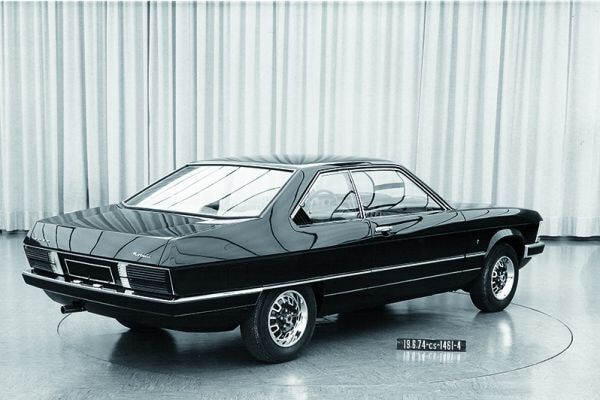
But then Ford stopped the entire project. After the oil crisis of 1973, the economy ran into trouble in 1974, so management pulled the plug. The designers then put candles on the Eva model and pushed it out of the studio, as if it were a funeral. That is what designer Helmuth Schra says in the book ‘Ford Granada und Consul’ by Bernd Tuchen. Give up? No, that was not an option for Bob Lutz. He became head of Ford Europe in 1974 and was determined to rid the cars of their chrome trim. Ford bought a Fiat 130 Coupé and put it in the studio in Merkenich. Bahnsen said to Le Quément, now head of the Forward Design department in Cologne-Merkenich: “Design a car that looks just as good as this one.”
But Bahnsen formulated strict requirements. The technology and wheelbase of the Granada had to remain unchanged, even the front doors had to be taken over. That was quite a task for the designers. As a result, the Granada still looked like a Granada. However happy Le Quément was with the fact that his German colleagues were looking more at the Italian models, he was not convinced of the contribution of Ghia, a subsidiary of Ford since 1973, to the project.
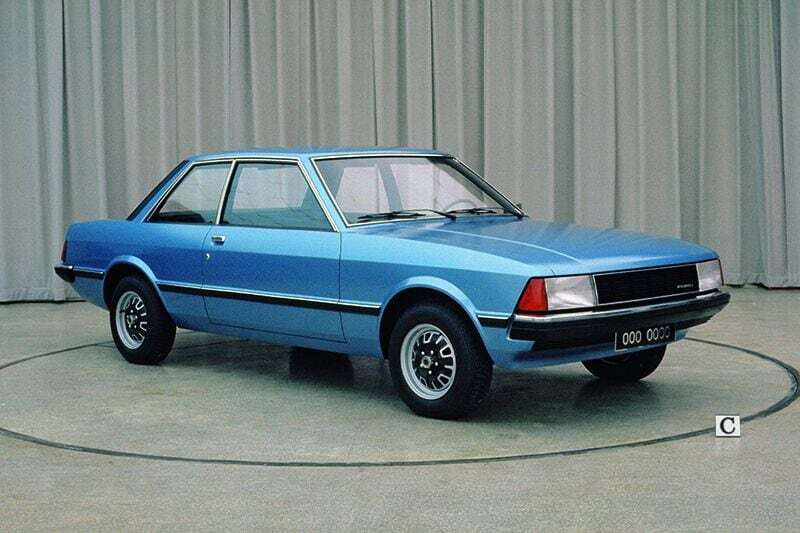
“Enormously complex styling, disastrous proportions”, he criticizes in his new book ‘Design between the lines’. One day in the mid-1970s, probably in Dunton, product developers and market researchers looked at at least eight proposals, 1:1 models made of fiberglass-reinforced plastic, all in the same color blue – for example the two-door and the coupé in BMW 6 series style. They were almost thrown away during a clean-up at Ford in 2002, but luckily designer Andy Plumb saved them from an inglorious end in the trash.
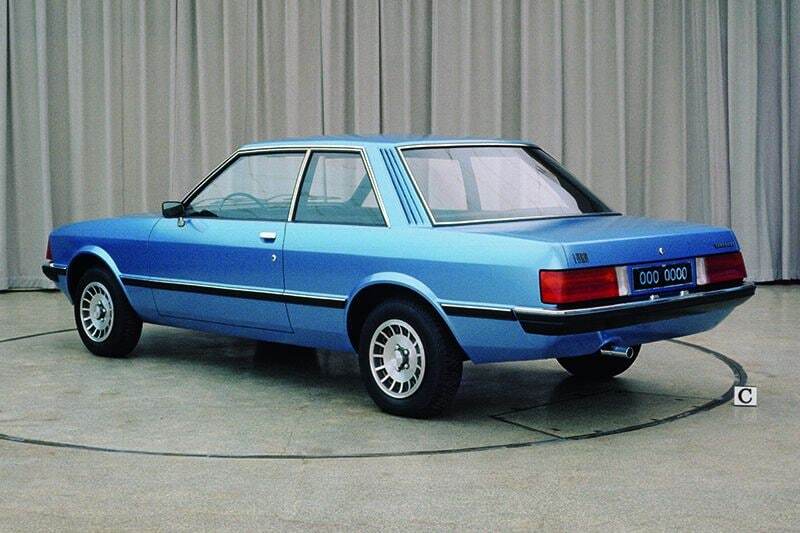
The first Granada ultimately became a mix of the front of model C and the rear of model B. Patrick le Quément and his team completed the exterior design of the Granada 78 entirely in Merkenich. “The Granada II has completely lost its American look,” he says with satisfaction. “It has a very good relationship between the wheels and the body. I love its look.”
Bob Lutz had almost all the chrome parts of the late Granada 2.8 Injection painted matte black. “That was a further step to make the car look more European,” said Le Quément. Le Quément is not very happy with the last facelift from 1981 – which included a grille with three thick instead of six narrow slats and ribbed taillights. “That makes it look a bit clumsy, and I doubt whether it has yielded any aerodynamic benefits.”