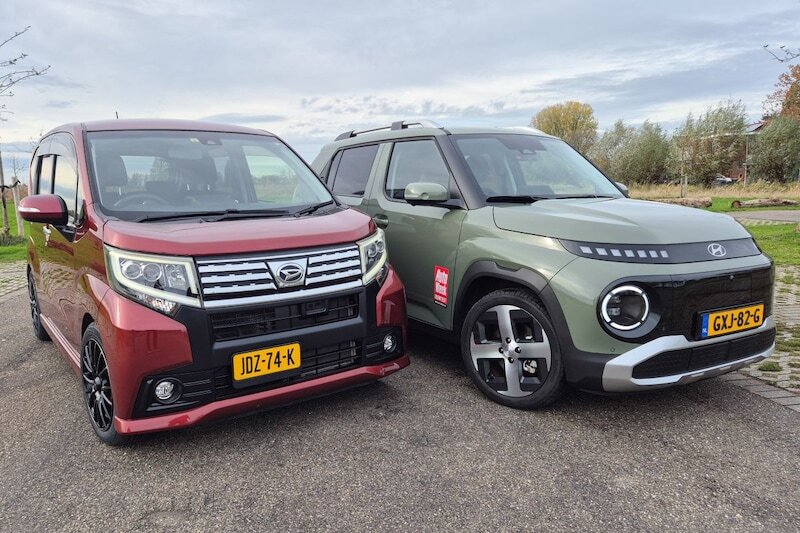
A narrow, tall body, a lot of luxury and a ‘front bench seat’: our Korean Hyundai Inster bears a strong resemblance to a Japanese kei car. How much exactly? We discover that by parking it next to Maichel van de Wetering’s Daihatsu Move Custom.
Maximum 3.40 meters long, 1.48 meters wide and 2 meters high, combined with a maximum cylinder capacity of 660 cc and a maximum power of 64 hp. If a car meets these conditions, it is called a ‘kei car’ in Japan and qualifies for various fiscal and practical benefits. Precisely because there is so much market for it, Japanese manufacturers try to cram as much luxury, practical convenience and/or sportiness as possible within the strict limits of this genre. This results in a lot of unique little cars that do not exist in that form anywhere else in the world. Although… our Hyundai Inster long-term tester really has something of such a kei car. It is narrow, tall and, partly thanks to its sliding rear seat, surprisingly practical. In the case of our Evolve version, it also provides a remarkable amount of luxury, just like many Japanese kei cars. Seat heating, steering wheel heating, climate control and ambient lighting make life on board particularly pleasant, and so the analogy with the Japanese kei car is quickly complete.
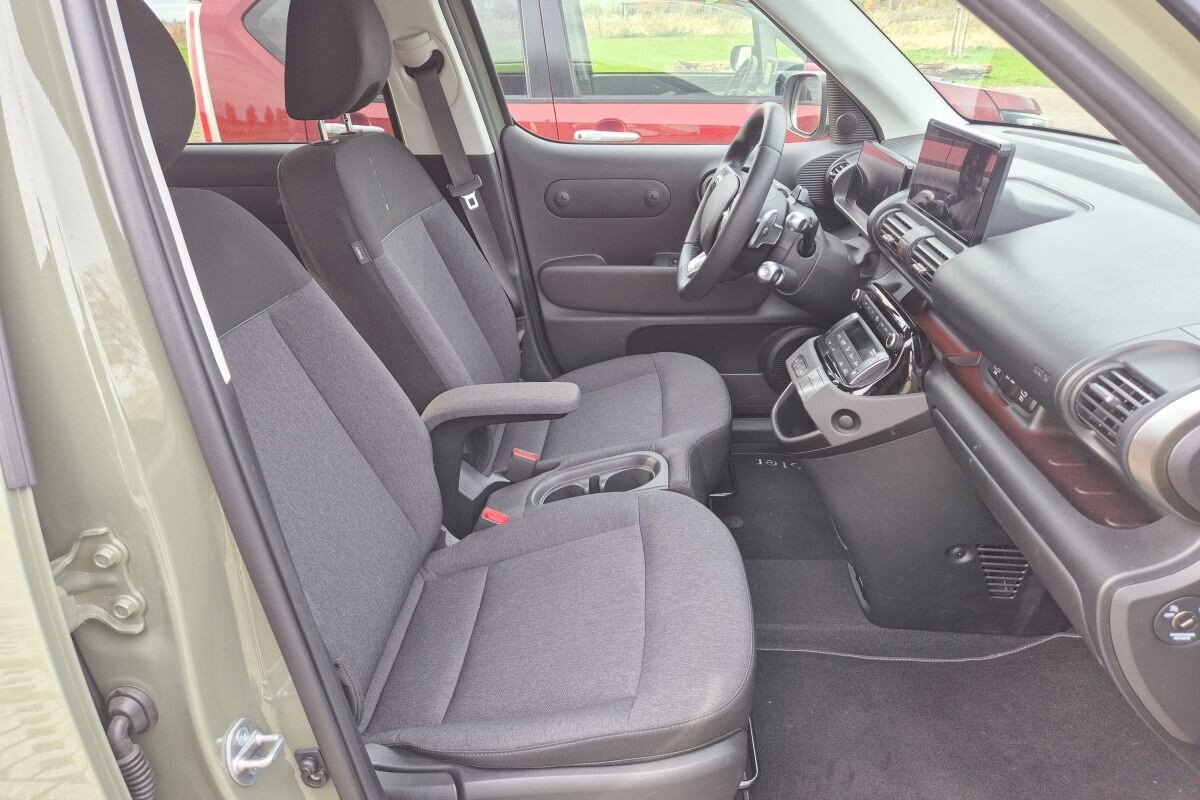
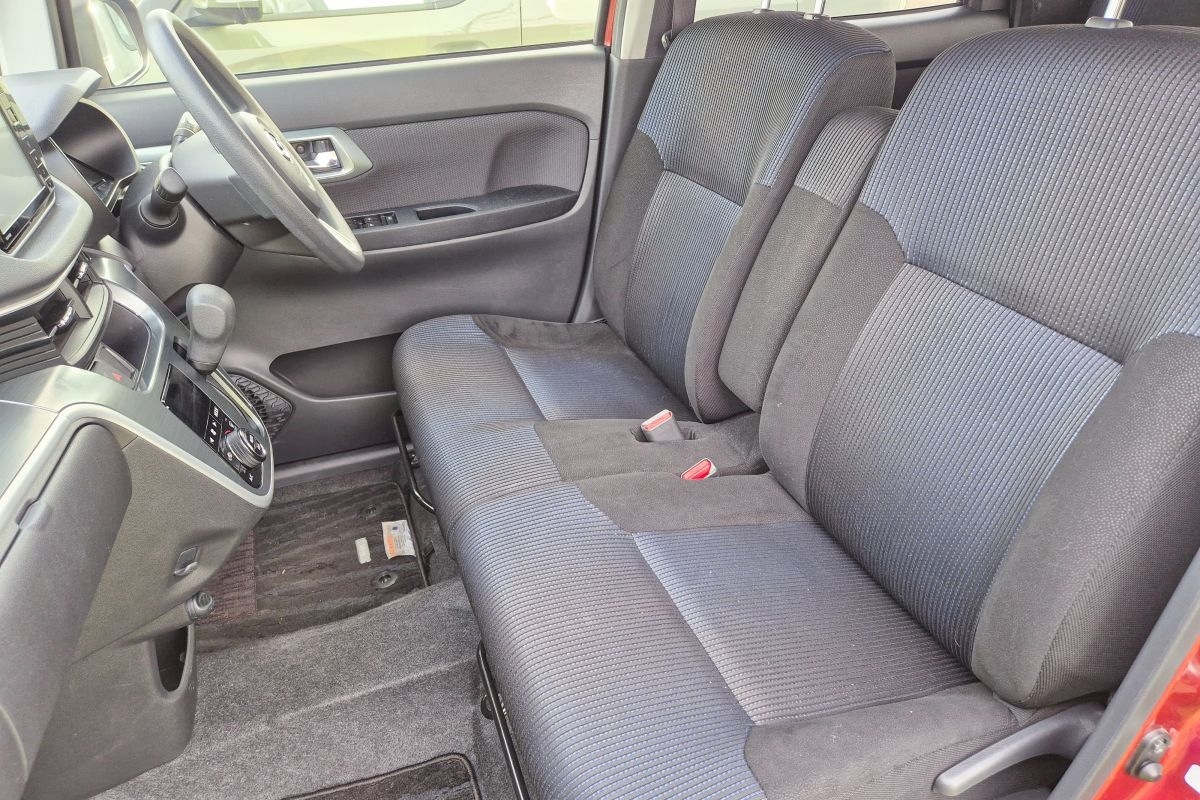
Both cars have a kind of ‘front bench seat’ with an open, continuous footwell.
Not a van
Such a kei car – ‘kei’ here is short for keijidōsha and means light vehicle – is a typical Japanese phenomenon, yet similar regulations exist elsewhere in the world. In South Korea, for example, where a similar car category exists under the name Gyeongcha . This is precisely what the Hyundai Inster was originally intended for. The Korean version of the Inster is called Casper and, with a length of 3.595 meters, is just under 3.60 meters, the maximum for such a ‘light vehicle’ in Korea. This only underlines our feeling that the Inster is still a kind of kei car, even if, especially in European trim, it is far too large to qualify for that title. Maichel van de Wetering (51) is already enthusiastic about the small Korean: “I’ve seen it drive a few times and I really think it’s a nice thing.” Maichel himself drives a 2016 Daihatsu Move Custom, a genuine kei car. How does a tall Dutchman end up in such a tiny exotic? “I had a much larger Volvo, but I drove it very little and paid a lot of road tax. In the past, I had also imported a car from Japan, so that’s how the idea of importing a real kei car arose. I saw this one come up at an auction and immediately knew it had to be this one. The car is practical, but not as square a van as a Honda N-Box, and that makes it perfect for what I want with it.” The Move turns out to be excellently suited for its role in the Van de Wetering family: “It’s nice and spacious, very economical and can keep up well, although you shouldn’t be in a hurry with such a small engine and a CVT automatic transmission.”
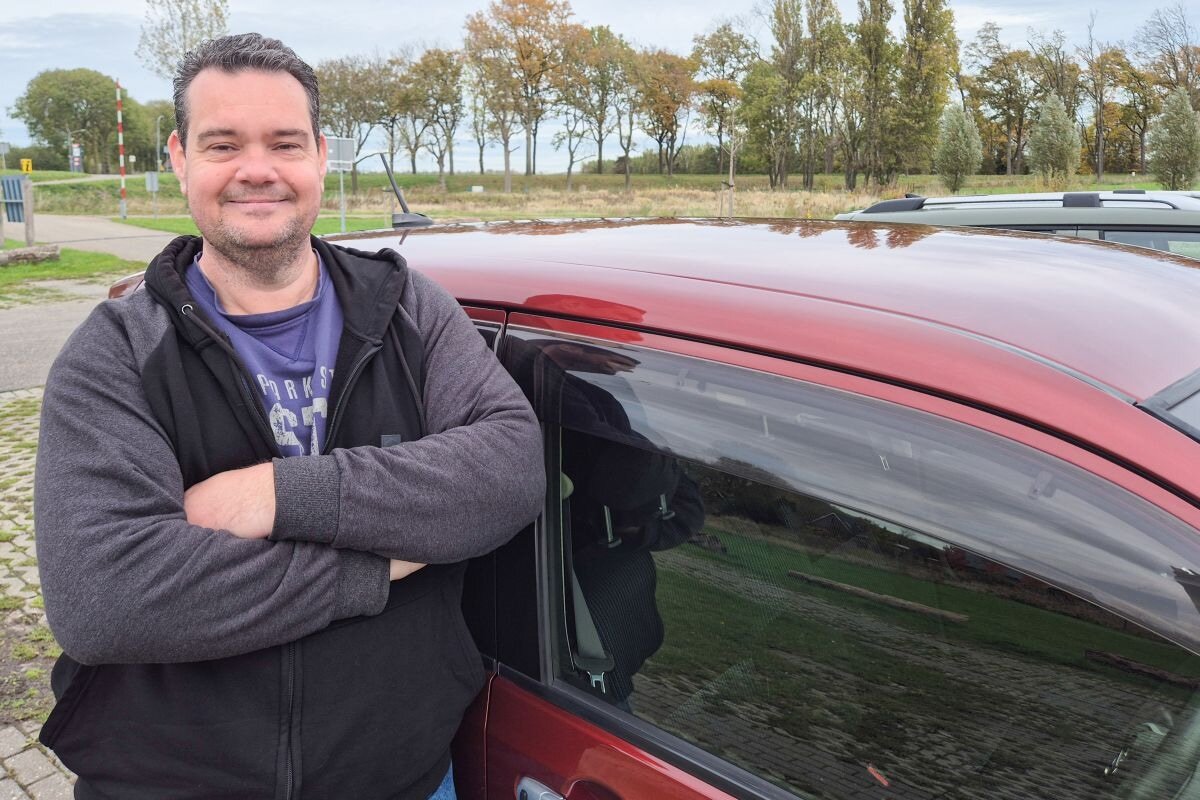
Maichel van de Wetering is very happy with his unique Move. Rightly so, of course!
Bench seat
The Move and the Inster indeed appear to have a surprising number of similarities. The narrow and tall body provides a remarkable amount of space in both cars, especially in the back seat. Those who prefer more luggage space instead can slide the two-part rear seat a long way forward in both the Japanese and the Korean car. The similarity here is very striking, because in both cases, the resulting gap in the luggage compartment floor is filled with a panel attached to the backrest of the seat. The front seats are also interesting. In both the Daihatsu and the Hyundai, the seat cushions connect directly to each other, so that at first glance a bench seat is created on which, of course, you cannot really sit three abreast.
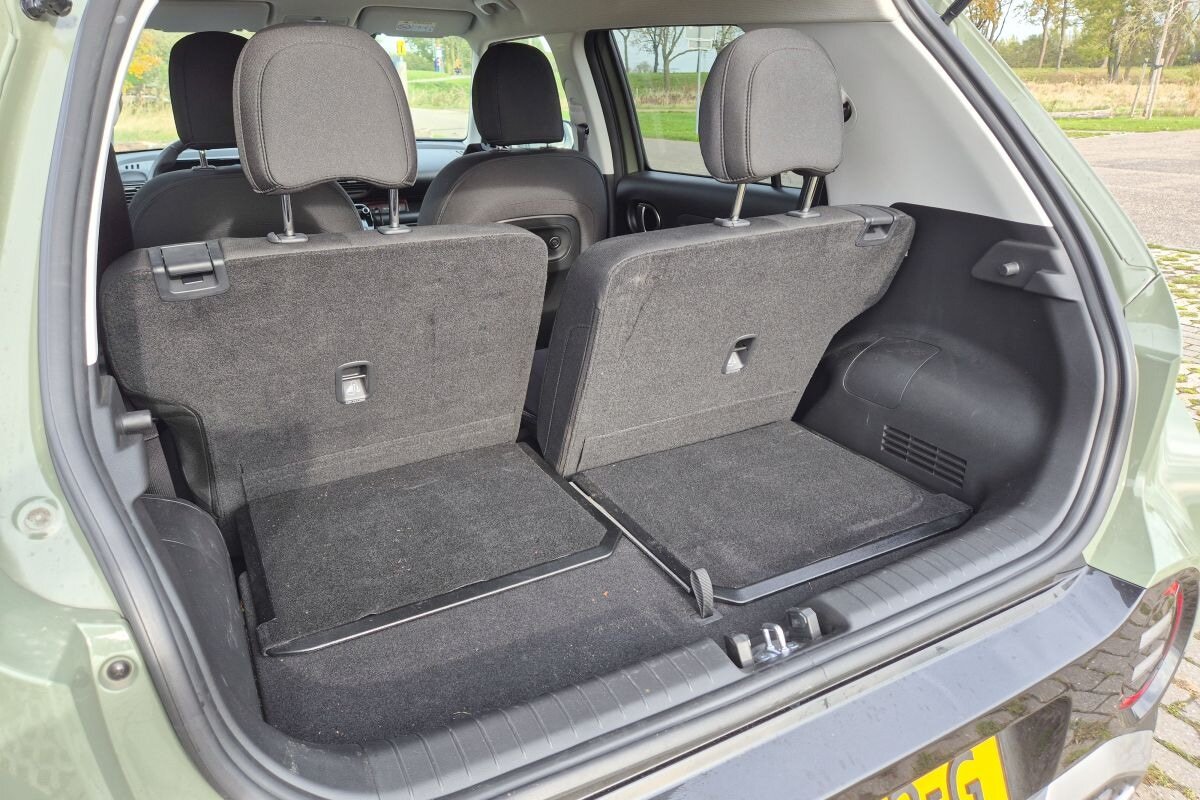
This is remarkably similar, isn’t it?
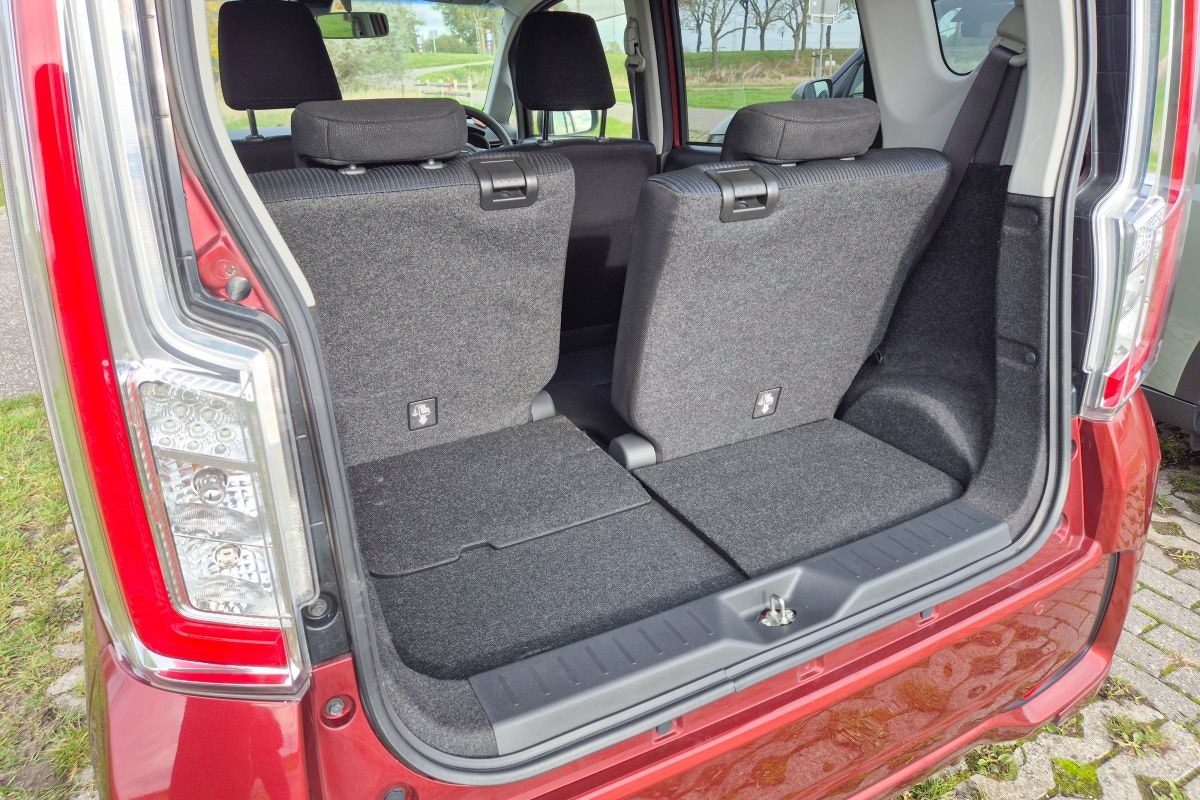
The level of luxury is also striking. Like the Inster, the Move has climate control, LED headlights, keyless entry, and even active safety systems, and that in 2016! There are also less positive similarities, by the way. For example, they are so narrow that it is impossible to place a water bottle in the door pockets. During a short test drive, the Move proves to be a pleasant thing. The engine is quite good, considering the figures, the seating position is excellent, and the lowered chassis – a contribution from Maichel – feels tight and fresh. Nevertheless, the fully electric drive of the Inster is somewhat more pleasant, as the Move driver also admits: “I have nothing against electric driving. It’s 2026, we no longer ride horses and carriages!” That’s exactly right, although the Inster proves that it doesn’t hurt to occasionally look to the past for inspiration. Or across the border.
European kei car
In the EU, there will also be a special category for light vehicles. The M1E category is for electric cars up to 4.2 meters long that are built in the EU. The measure is intended to make electric cars more affordable and to stimulate the European economy.