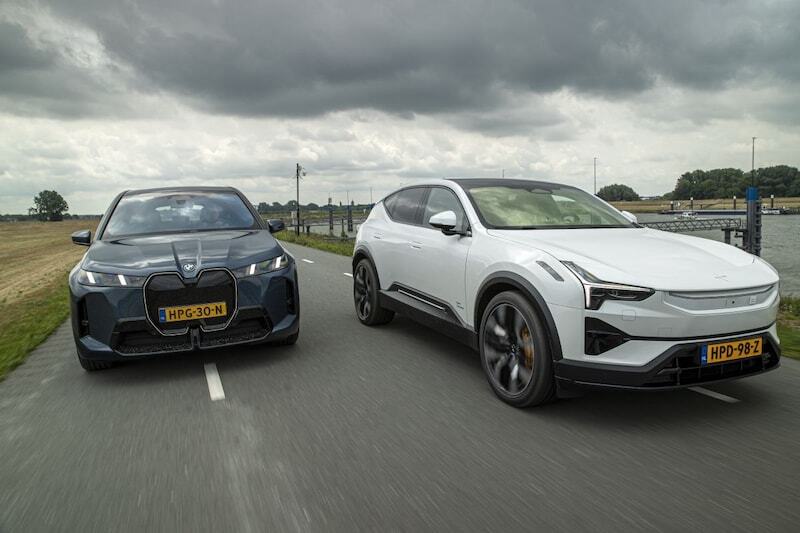
Large Electric Crossovers
With An Increasingly Broad Range, Volvo’s Sister Brand Polestar is working hard to make its mark. After the 1 and the 2, there are now also the 3 and the 4. We have previously subjected the 1, 2, and 4 to a comparative test. Now it’s high time to put the 3 alongid the competition. We are very curious to see where this electric e-segment crossover, relationship to the volvo ex90, stands.
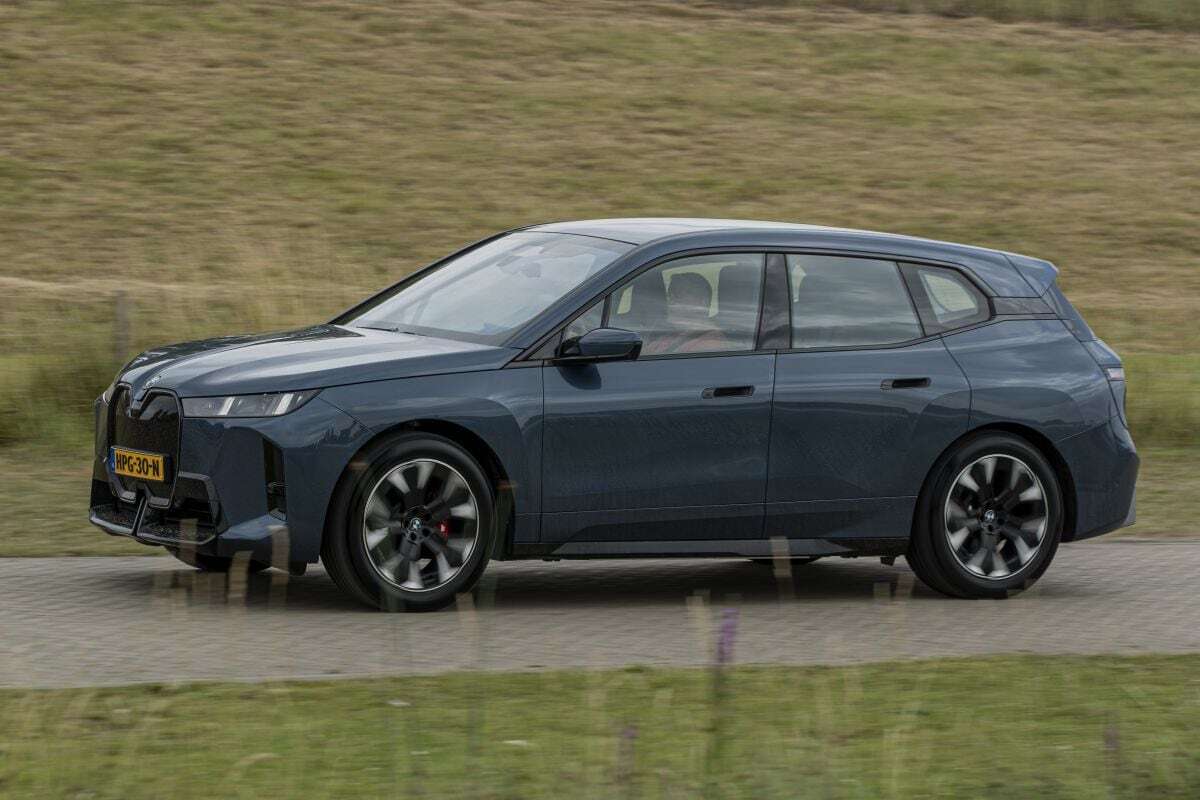
As a representative of the competition, we bring in the bmw ix, which dates back to 2021. This is no coincidence. Not only is BMW Competing for the Favor of the Same Target Group with this Large Electric SUV, But The IX HAS also Just Undergone An Update. In The Process, All IX Variants Have Received More Power, AS Well as a Greater Range. Judging by the Minimal Adjustments That Have Been Made Otherwise, They Still Seem Reasonly Satisfied with the IX in Munich. The Question is Whether that is Enough to Stay Ahead of a Newcomer. We’re going to investigate!
No Trim Levels, But Options and Packages
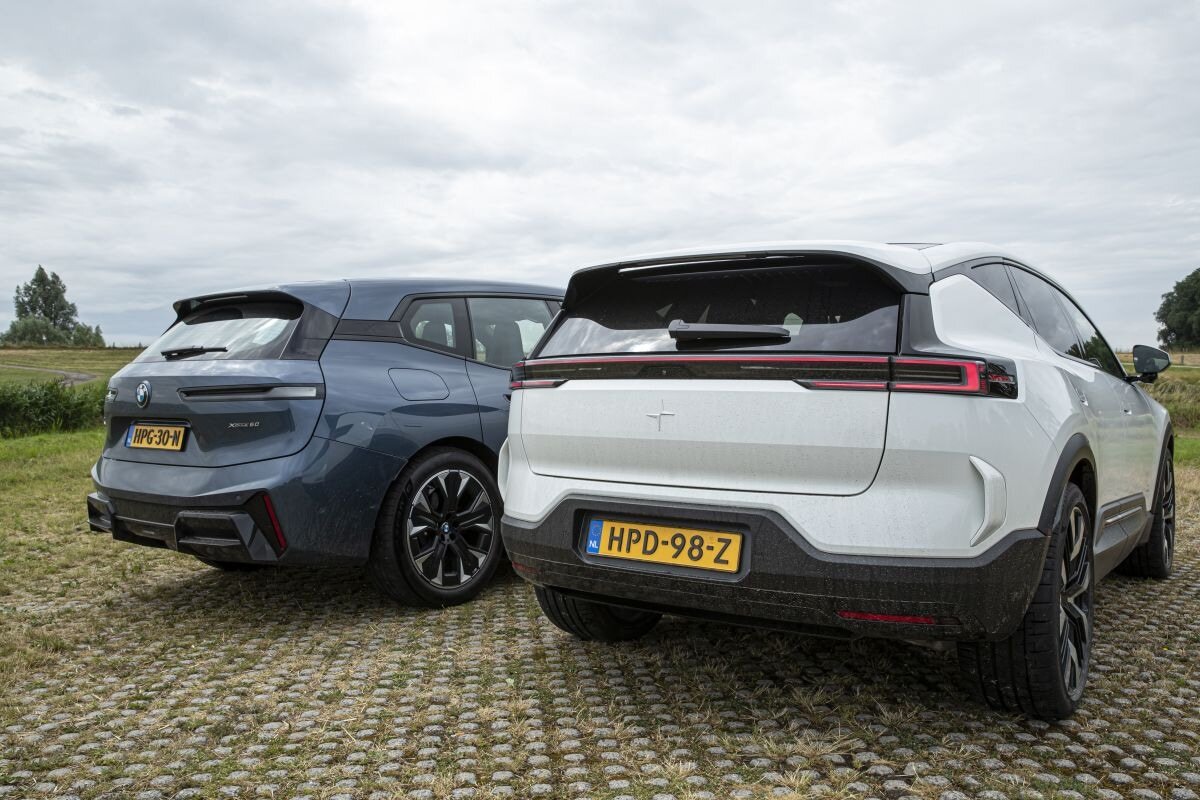
For the fairest Possible Comparary, we have the polestar and the bmw as all-wheel drive with over 500 HP and more than 100 kWh of battery capacity. To be precise, it groups the polestar 3 long range dual motor performance pack (which is QUITE A MOUTHFUL) and the BMW IX xDrive60. With this powertrain, the polestar 3 can be yours from € 95.550, while the bmw with this drive technology has a starting price or € 99,900. Neinder manufacturer sacrifices Trim Levels.
Do you still because extra luxury and functionality or more visual distinction? Polestar and eSpecany BMW have the necessary individual options and packages for this. Regarding Powertrain Technology, The Polestar 3 is available in two variants: A 295 HP Rear-Wheel Drive and A 483 HP All-Wheel Drive. The Letter Can also be supplied with a Software Upgrade Called the Performance Pack. This Increases the Power to 519 HP, As is the case with the polestar in this test. The 544 HP BMW IX xDrive60 is the middle of three variants, all all-wheel drive.
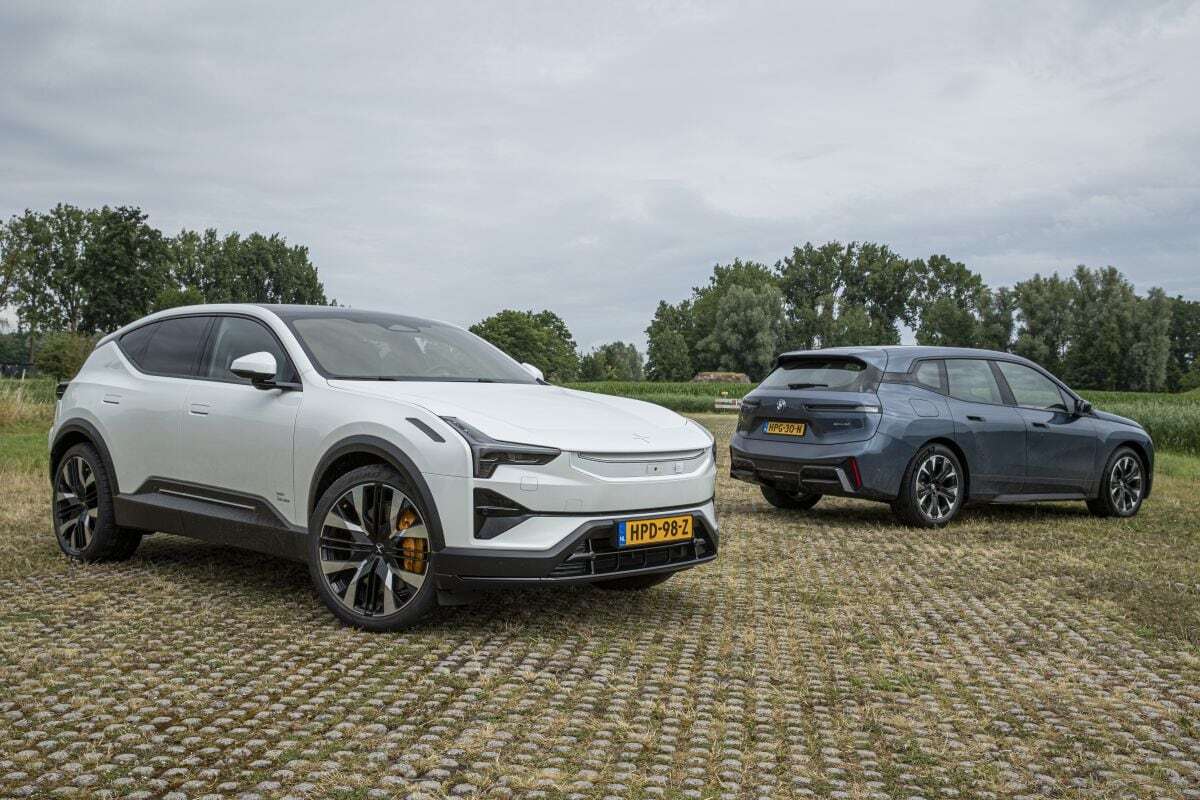
Polestar 3 and BMW IX Are Well matched
The Polestar is 80 kg Heavier than the BMW and HAS 25 HP Less, But It Does Have 145 Nm More Torque: 910 Nm versus 765 Nm for the BMW. Althegh it is only a matter of tens of a second, with that highher torque, the 3 accelerates a fraction faster from the starting blocks than the ix. On the intermediate sprints, However, The Power Counts, and then the BMW is a Fraction Ahead Again. In practice, The Performance Boost That BMW Has Given the IX Works Out Well: The Two Evs Are Not Inferior To Each Ohher.
With Both Cars, the degree of Engine Braking is adjustable: from carefree coasting when you release the accelerator pedal to heavy deceleration. Nothing is better than quickly controlling that yourself with, for example, paddles behind the steering wheeling or a tap against the gear liver. But Unfortunately, Both Manufacturers Have Hidden That Adjustment Option In The Multimedia System. Too bad. Alternatively, Both Cars Have An Adaptive Mode in which the Car Determines The Degree of Engine Braking Itelf, Depending on A Number of Variables. Well -intentioned, but it still gives – with the bmw equally slightly more than with the polestar – too much of a feeling that we have to adapt to the car insemon of the other way around. Too or there are moments when we do not happen expect does not happen.
Measured at the Charging Station: Polestar Significantly Less Efficient
Whether Actively Braking on the Engine and Thus Recovering Energy or Not, The Polestar Runs Out of its Energy Supply the Fastest. This is not only because the long range polestar has a neat 2 kWh less battery capacity. At the Charging Station, we register An Average Test Consumption or 21.7 kWh/100 km for the BMW, While the Polestar Consumes No Less than 25.5 kWh/100 km. That cannot be called economical in any way. When we extrapoleate the battery percentages, we have a range of 420 km with the polestar, QUITE Modest for a serious ev and not really something to make a fist against the Established order as a newcomer. After all, we get 536 km with the bmw.
The IX Charges at the Alternating Current Current Station As Standard with 11 kW, A 22-KW on-board Charger is an option of € 1.281. Polestar does not have this option, the 3 can be charged with a maximum of 11 kW ac. At the Fast Charger, The Polestar Can Handle Higher Powers. The Peak is at 250 KW DC, While That Does Not Go Beyond 195 KW DC For The IX. These are Indeed Peaks, because the Charging Power Drops Back in Bothes, Slightly More with the BMW Than With The Polestar.
Air Suspension Standard on Polestar, Option on BMW
Thanks to refined chassis technology with adaptive shock absorbers and air suspension (Standard on the polestar and an option on the bmw), it is nicely disguined that these are two serious mastodons, weighing around 2.5 tons. It makes these cars comfortable touring machines. The Polestar Feels Just A Bit Firmer. Not entirely surprising: When checking the performance pack on the order form, you also get a sportier tuned chassis, which brings more stiffness.
BMW has a long tradition and name to uphold when it comes to chassis dynamics, but polestar has absolutely gone through a steep learning curve. At no time it is it diffress to control the 519 hp of the 3. Unnoticed, the electronics behind the scenes do their best to make the polestar drive as if on rails. It takes more than effort with the 3 than with the ix to explore the border between driving and sliding. It should be noted that the steering of the bmw gives just a little more feeling of what is happening between the tires and the road surface. With the polestar, that communication is a fraction more distant.
Four-Wheel Steering on BMW
The BMW on these pages is equipped with four-wheel steering, which is available as an option on this model. Almost Unnoticed, The Rear Wheels Do Their Best to Make the Car Slightly More Maneuverable at Low Speed and Contribute to Directoral Stability At Speed. Polestar does not have this feature, and honey, we don’t miss either. In Daily Practice, They Are Both Reasuringly Stable. The Range of Assistance Systems also Inspires Confidence. Both test Cars Are Richly Equipped with Neatly Calibrated Adas Helpers, and With the Polestar They Provide Just A Little More Relief Than With The BMW.
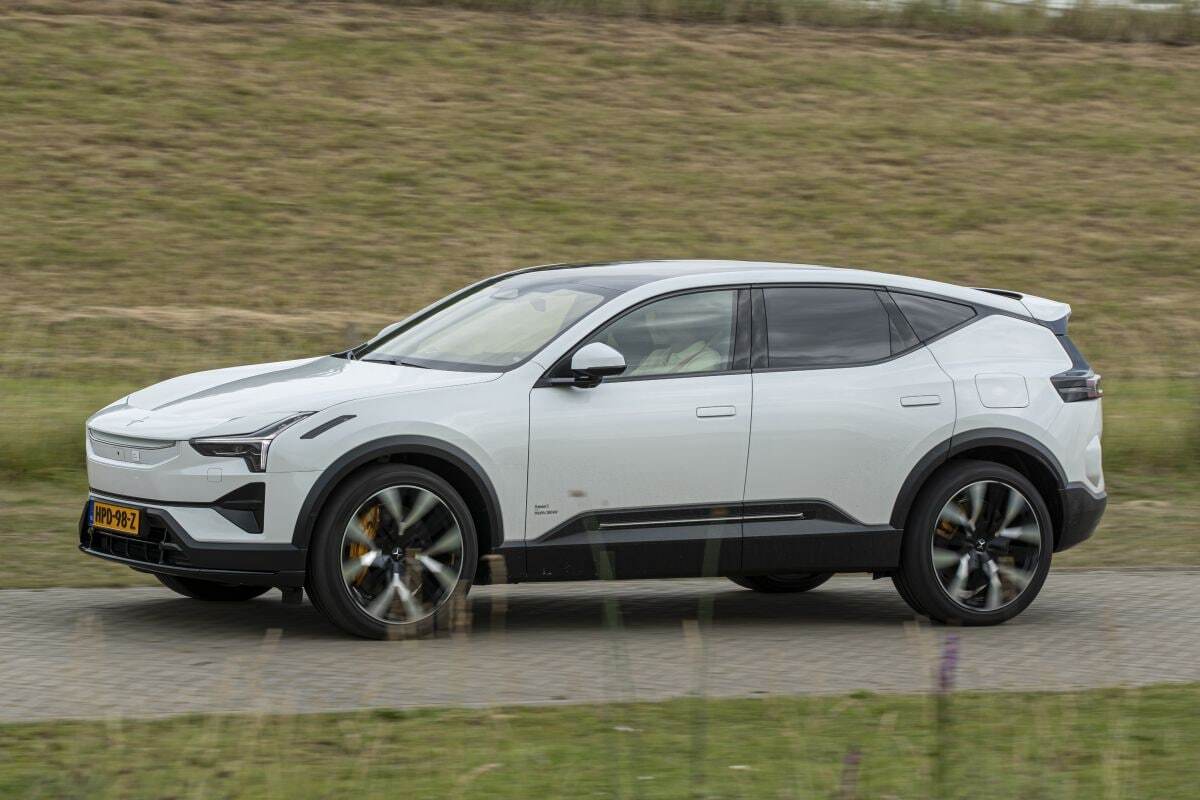
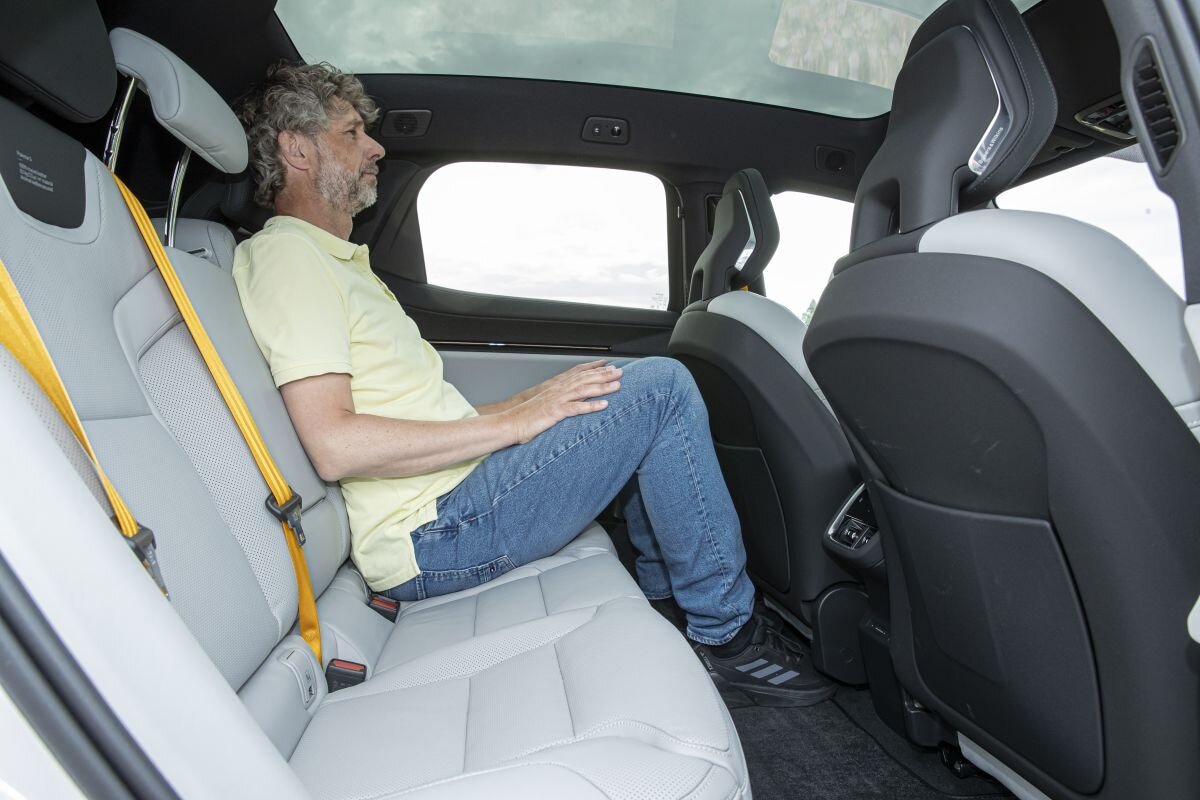 Polestar 3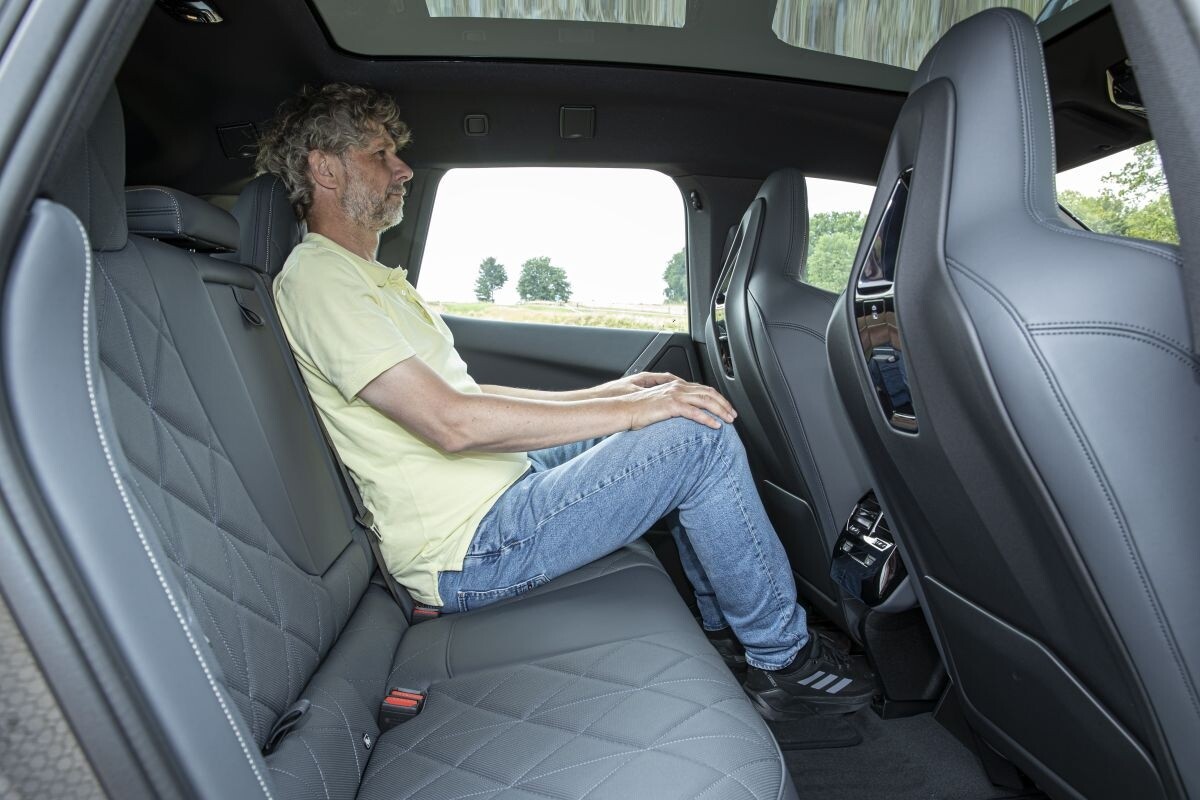
BMW Slightly Larger Than Polestar
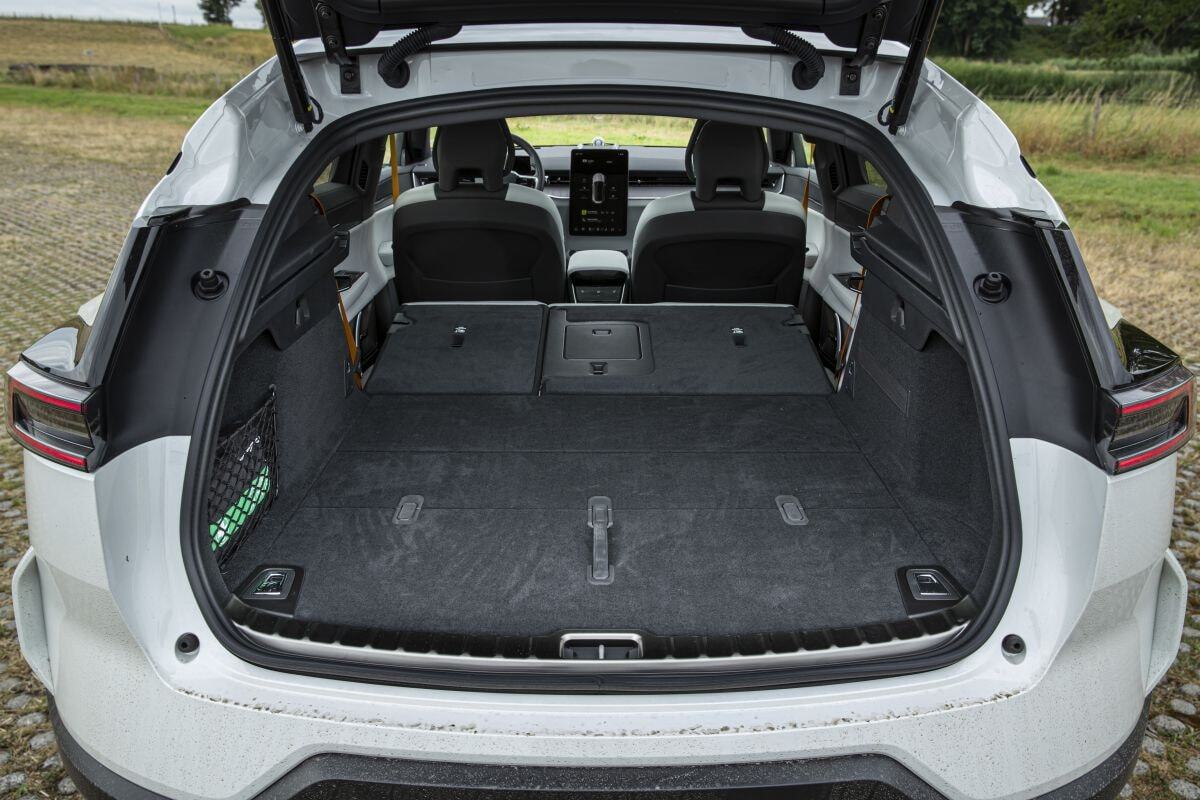
It is Millimeter Work, but the BMW is Slightly Larger Than the Polestar in All Directions. This results in a more spacious interior, whireby it should be immediately noted that we can sit comfortably in both the front and rear of the polestar. MoreOover, The BMW is not only more generous for its occupants, but also for their luggage, at Least the Trunk is 15 Liters Larger and Therefore Measures 500 Liters, which is Certainly not Groundbreaking for Cars of this size. In that 500 liters Space you have to give Charging Cable a Place, while with the polestar that is also Possible in the Frunk in the Front. The BMW does not have that possibility.
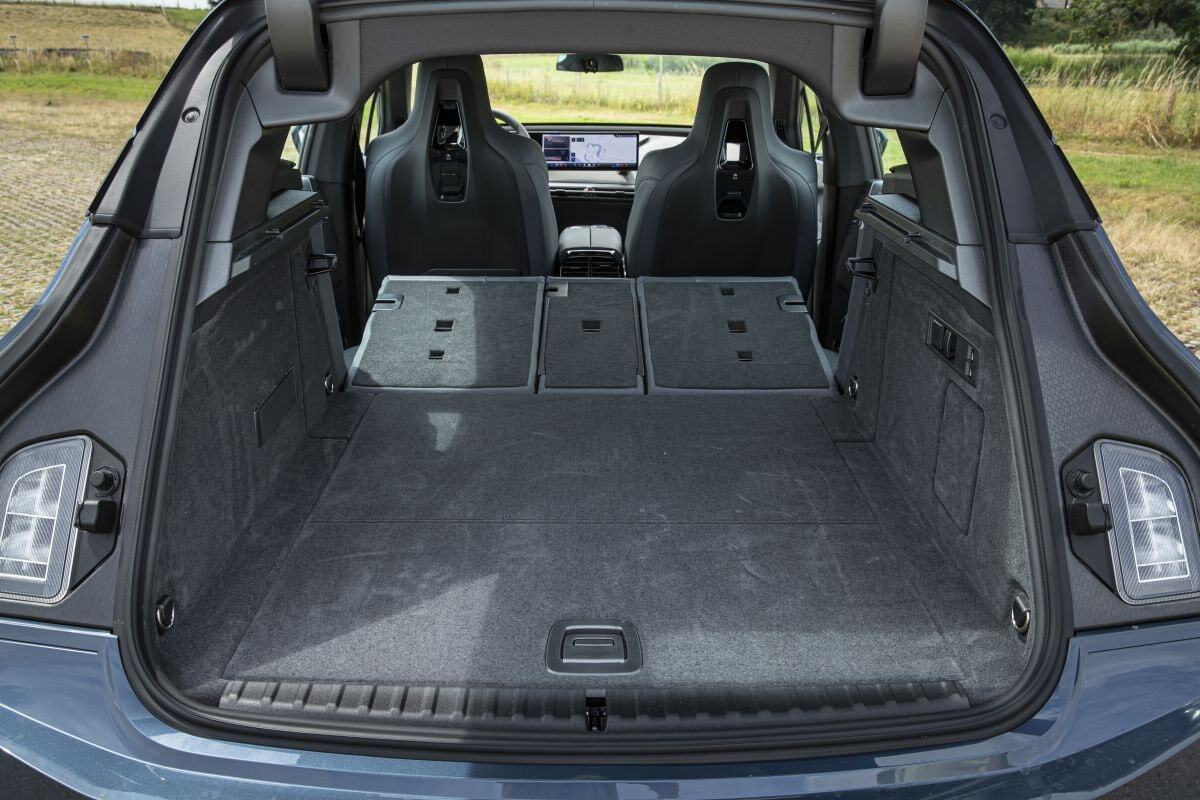
Adjusting Seat With Buttons On Door: We love that!
For the interior design, the manufacturers follow a similar course of their own: the finish and use of materials are both and minimalism is paramount. Yet the Set-Up is Indeed Different. That already starts with finding the right seat setting. The BMW Has The Buttons On The Door, The Best Place We Know For That. Polestar Uses A Multifunctional Button on the Side of the Seat. That also works, just a little less fine. But anyway, if all goes well, you don’t have to adjust your seat the entire ride.
Completely BMW Anno Now, the IX Has a Wide Glass Screen on the dashboard with a graphically Fairly Busy BUSY instrument Panel Right in Front of Your Nose and the Multimedia Screen MidShips. It takes some effort to find your way in the infotainment system. Unfortunately, it does not work Complety Intuitively, Although the New Operating System (OS 8.5) is Certainly Better Than Before (OS 8).
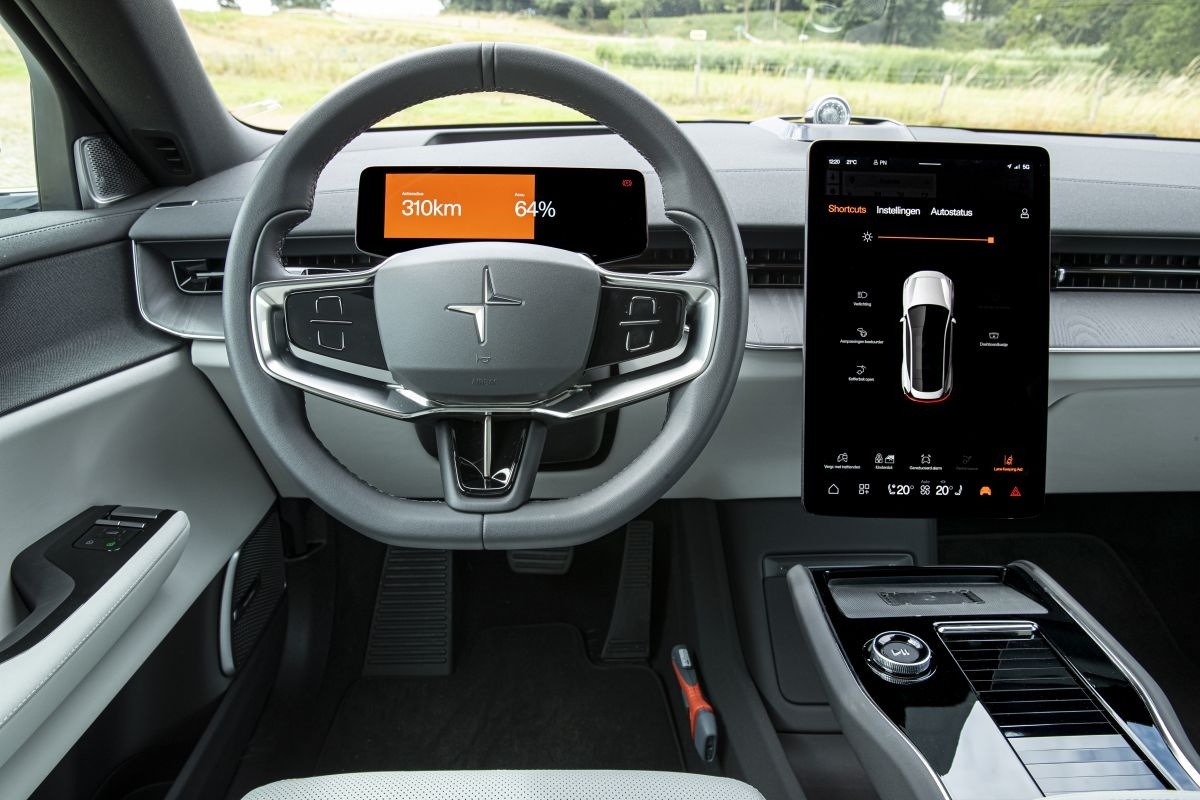
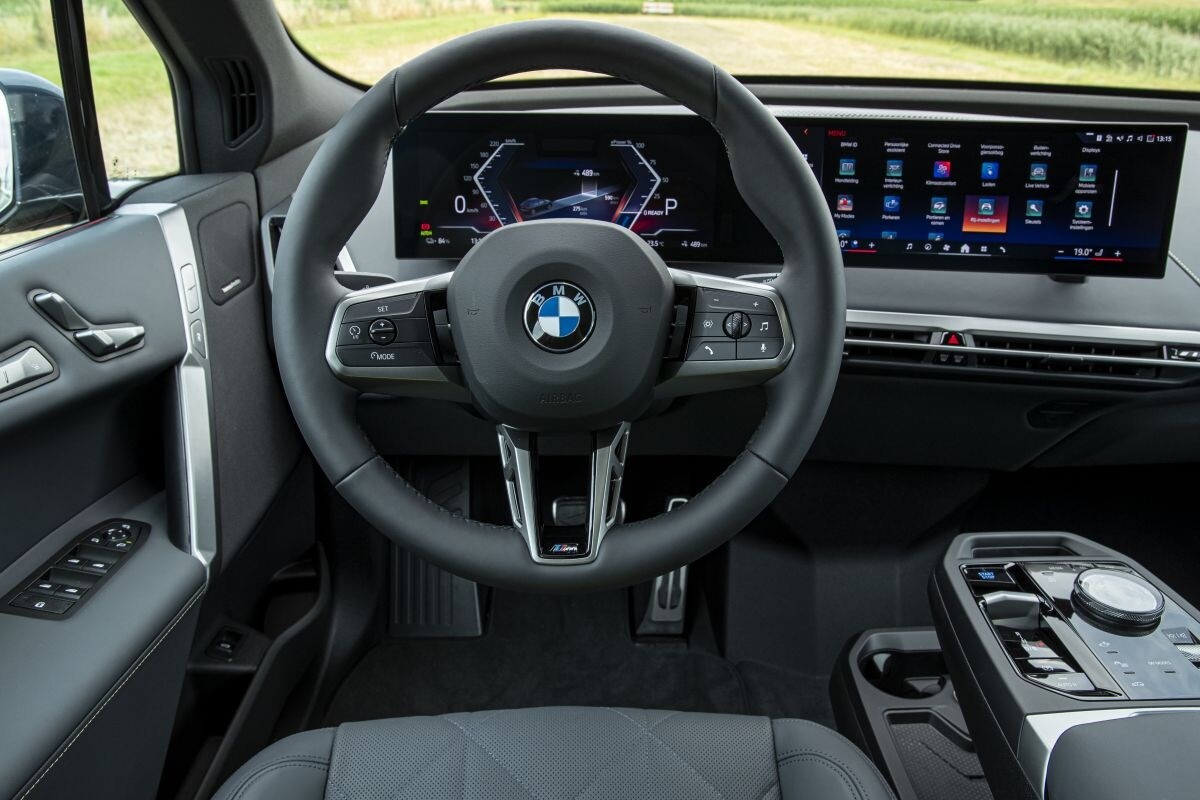
The iDrive Button also Has Our Blessing
It is nice that you can automatically Take Various Settings with you via the mybmw app on your phone. At Least, if you have leg on the road with a bmw before. That saves setting up. Furthermore, we like that the IX still has the famous iDrive button on the center console, surrounded by a number of shortcut keys that take you directly to the varous function grouts in the system. And to top it off, we appreciate the physical buttons on the steering wheeling, which is now simply round again. That works just a little nicer than the touch buttons on the polestar steering wheeling.
The Polestar Dashboard Makes A Family Impression. Not surprising, it is the same as in the volvo ex90 as we have it in our endurance test fleet. Above the steering column you have a clear and easy to read instrument panel. Just like the instrument panel, The Multimedia System in The Separate Screen Leaves Little to Be Desired in Terms of Clarity. With a logical layout and a simple structure, it is easy to understand. Althegh we prefer physical buttons, The Polestar is Easier to Operate Than The BMW.
We Drive Away More Easily with the Chinese American of Swedish Origin. At Least, if the remote control works, because it needs to be on the wireless charger on a regular base. But Well, if it should unexpectedly be empty, just like with the bmw we can also manage with just the phone in our pocket. After all, it is 2025.