Higher Margins
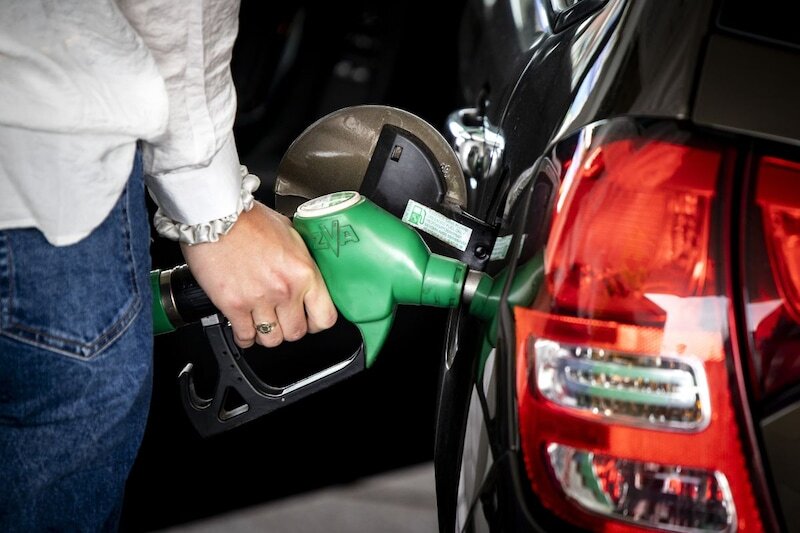
Oil is now cheaper than at the beginning of this year, and the dollar is weaker. Normally, this combination leads to lower prices for gasoline and diesel. But prices at the pump have actually risen sharply. How is that possible?
The website of purchasing collective UnitedConsumers keeps track of the national recommended price for gasoline and diesel. A liter of Euro 95 costs €2.14 on January 2nd. Now it is €2.20. For diesel, the difference is 10 cents: €1.90 at the beginning of the year and €2 now. At the same time, a barrel of Brent oil, the international benchmark for the oil price, costs about 70 dollars at the beginning of the year. Now it’s 62 dollars. And the dollar has fallen in value against the euro. That means we had to pay fewer euros for the oil. Normally, you see fuel prices move with the oil price. Now that effect has disappeared; the opposite seems to be happening.
There are several explanations for this, according to Joost Schmets, who follows the oil sector for the Dutch Shareholders Association (VEB), an advocacy group for investors. “An important cause of the high gasoline and diesel prices is the war in Ukraine. Ukraine is attacking Russian refineries on a large scale. As a result, refining capacity is decreasing, and less gasoline and diesel are being produced.” This affects Europe because Russian fuels are still being sold here via detours. The high price is also partly caused by the oil companies. “The oil companies have increased the refining margins,” says Schmets. According to an article in Het Financieele Dagblad , the refining margin increased this year from 6 dollars to 15 dollars. There is enough oil worldwide, but gasoline and diesel are scarce. Therefore, the link between the oil price and the gasoline price is now absent. And the question is whether that link will return quickly.
“`