Potential Price Dampener Fails to Materialize
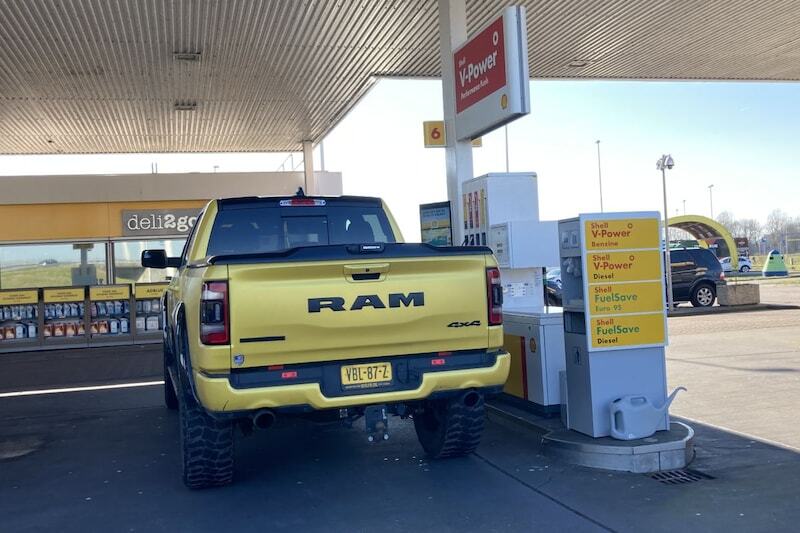
Another setback at the pump: prices will already rise in January, but now the OPEC+ countries have also decided not to increase oil production further.
They decided this on Sunday at a meeting. This means that the countries are abandoning their previous pattern of gradually increasing oil production, which potentially put some downward pressure on prices at the pump in the Netherlands.
The alliance, including Saudi Arabia and Russia, is coming to this decision against the backdrop of the new American attempt to reach a peace agreement between Russia and Ukraine. If peace truly comes, this could increase the global oil supply, as sanctions against Russia will likely be eased. Partly because of this, there are concerns about a looming oversupply.
The gasoline price in the Netherlands has already risen in recent months, despite the production increases from OPEC+. This was probably due to the ongoing geopolitical unrest. Also, large oil companies may have been trying to grab a bit more margin at the pump.
According to consumer collective UnitedConsumers, the average recommended price for a liter of Euro95 is now €2,185. That is slightly below the highest level of the year that was reached a few weeks ago. For a liter of diesel, according to the average recommended price, which is often asked along the highway, €1,982 must now be paid.
Soon, fueling threatens to become even more expensive. As of January 1, fuel excise duties will still increase by a few cents. The Lower House voted on Thursday in favor of a proposal by the ChristenUnie to use part of the money that was intended to give motorists an excise discount for another year to counteract cuts in public transport.
“`