Anyone who sees the letter E in the model name of a car soon draws the conclusion that it is a car with an electric or hybrid powertrain. Yet there are also cars that ride fossil fuel purely and wear the letter E. Autoweek takes a look at the developments of the E in the model names of cars.
Jaguar
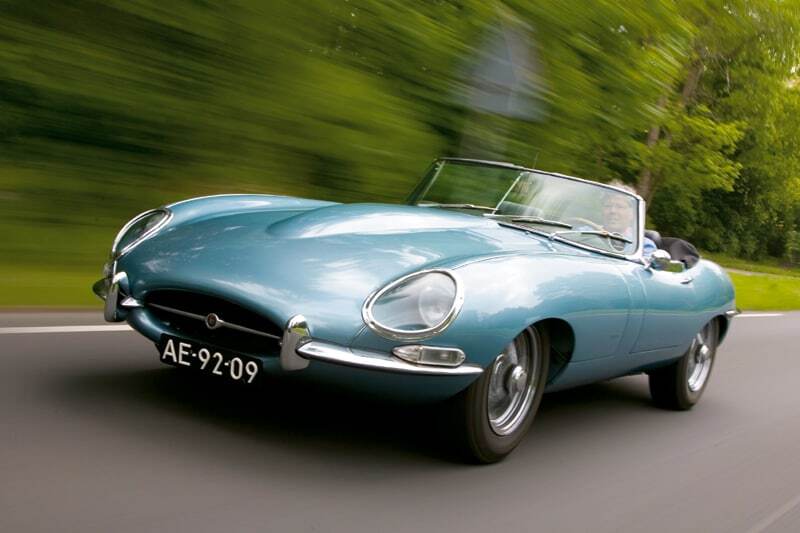
We start at Jaguar and the illustrious e-Type. The car was unveiled in 1961 at the Motor Show in Geneva. The sporty Brit impressed with his beautiful lines and impressive performance. Rumor has it that Enzo Ferrari called the e-Type ‘the most beautiful car ever built’. The Jaguar was there as a coupé and there was an open variant. The first engine was one of the XK 3.8-liter six-cylinder-in-line, which grew to 4.2 liters in 1964 and in the 70s the E-Type came with a 5.3-liter V12 with 268 hp under the hood. There is little electrical about that. The naming of this Jaguar is less exciting. The e-type is based on the D-type in appearance. At Jaguar they just arrested an alphabetical order.
In addition to the E-Type, Jaguar has launched the e-pace a lot more recently. The e-pace has nothing to do with the e-type. The E-Pace is a compact SUV that came on the market in 2017. The E-Pace is the little brother of the F-Pace. At the launch this Jag was only available with diesel and gasoline engines. When the model became facelift in 2021, there were also plug-in and mild hybrid options. But the E-Pace powertrain is not completely electric. There is a fully electric Jaguar on the market. These have called the British I-Pace. Was it confusing?
Mercedes-Benz
In Germany they also know what to do with the letter e. At Mercedes they are ‘Meister’ in it. Many Mercedes from the 80s and early 90s wore an e (capital letter) on the back. That is the case: the E comes from the German word ‘Einspritzung’, which means injection.
The E indicates that these Benzen walk on fuel sprayed directly into the combustion chamber. No e on the back means that the Mercedes had to do it with a carburetor. A D on the back meant that the Mercedes ran on diesel.
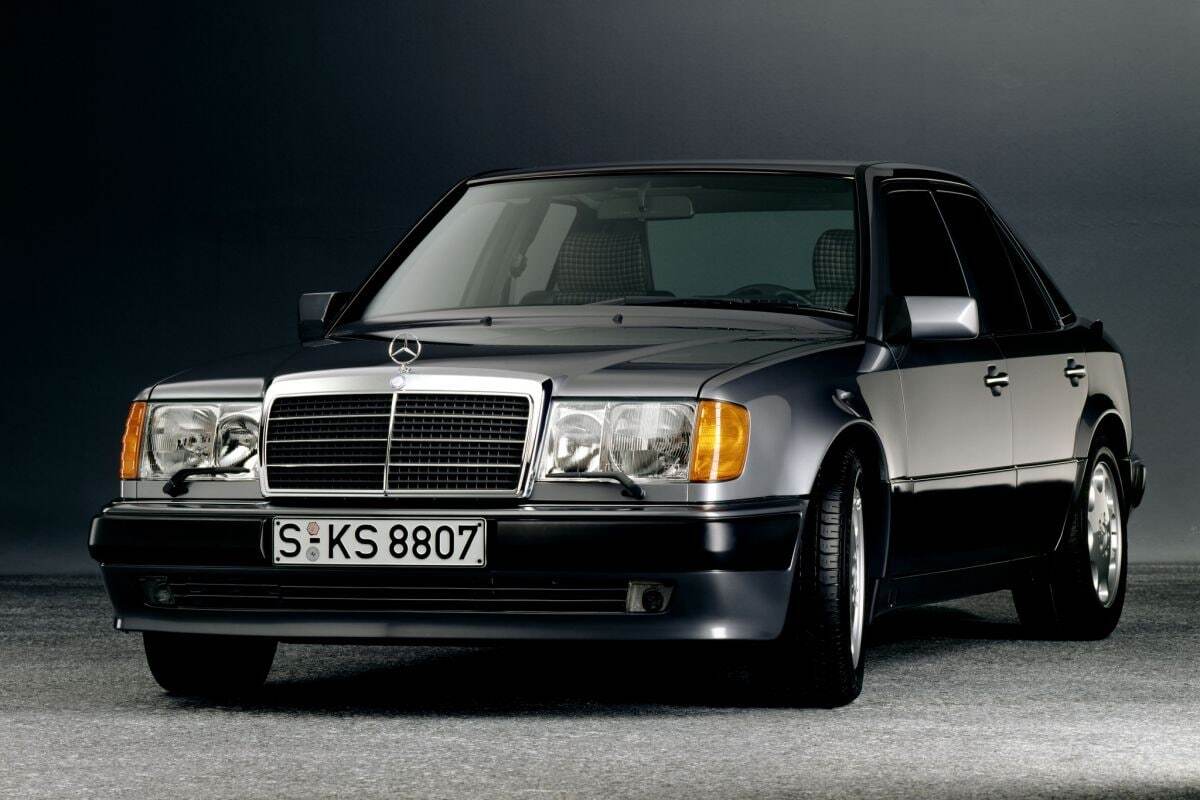
This designation has been frequently used by Mercedes. The E could be found on the 190 series (W201), among others. When the smallest sedan in the Mercedes range, so it quickly got the nickname Baby Benz. The Mercedes 200 series also has an e on the back if it concerns a Benz with an injection engine. There is a 200 E, 220 E, 230 E, 260 E and the 280 E. The Coupé variants were called C (E). The station wagons received the addition T (e). But there is more. For example, Mercedes also built the 300 E, 320 E and the 400 E and 500 E. driven by a V8.
In 1993 the W124 (internal name of Mercedes 200 and 300 series) was facelifted and the naming was also overhauled. From that moment on, the 200 E is called the E200, the 200 D is called E200 Diesel from that moment. This is how the still existing E-Class is born. If you see a Mercedes E-Class driving with an e-indication (lowercase) after the figures, such as the Mercedes E300E, then you have to deal with a hybrid e-class. The EQ cars from Mercedes are fully electric.
BMW
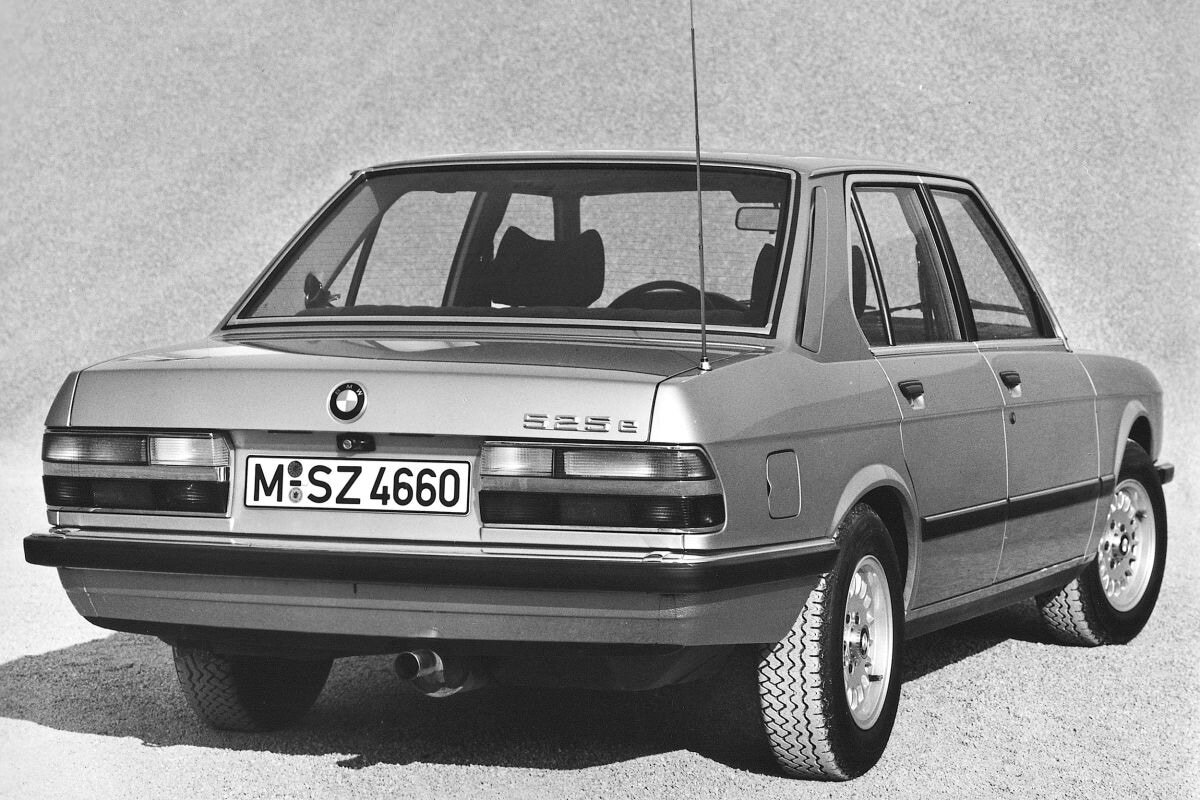
We will stay with our eastern neighbors. At the end of the eighties, BMW also supplied non-electric cars with an E on the back. The BMW 525E and the BMW 325E. The small E stood for these models for ETA, named after the seventh letter from the Greek alphabet. The Bavarian manufacturer noticed that there was a demand for more fuel -efficient engines in the 1980s. That is why BMW also built the so-called ETA engines in addition to regular diesel and gasoline engines. These six-in-line petrol engines are adjusted more economically. The bore became shorter, the stroke longer and the crankshaft was adjusted; The content grew from 2.5 liters to 2.7 liters. Because of this you had to keep the car less and you could achieve an average consumption of 1 in 12.3 according to the factory.
If you see a BMW on the road with an e after the number series and if it is not one of the models mentioned above, for example a 320e, then it is a plugin hybrid. For the fully electric models they use the small I in Munich, for example at the BMW I4.
Opel
In 1970 the Opel Commodore GS/E came on the market. The Opel Commodore was a thicker version of the Rekord, the Commodore was equipped as standard with a six -cylinder. In contrast to the double carburetor of the regular GS, the GS/E had a fuel injection system. GS/E stands for Grand Sport Einspritzung. Opel also built a sporty version of the Kadett and the Manta, both received the addition GT/E. Later the Kadett lost his oblique stripe and went through life as a GTE. After the D-Kadett, the GTE designation was replaced by the GSI label.
In the 1980s the addition GSE came back (this time without a sloping stripe) on the Opel Monza. The Coupé gets a three-liter six-in-line engine, which is good for 180 hp. You also get a sporty sauce in the form of many black accents and a rear spoiler.
In 2022 Opel breathed new life into the letter combination. Opels that carry the GSE (small e) label are sporty hybrid versions, but now there is also a completely electric GSE, the Mokka GSE. GSE stands for Grand Sport Electric.
Volvo
In 2013, Volvo came up with a new series of diesel engines, the Sweden gave them the modest self-ignitors the name Drive-E. These engines are more economical and emit less CO2 than their predecessors. The Drive-E engines were designed in such a way that they could also be used in combination with an electric motor, but the first drive-E engines were only there as a diesel without any form of electrification.
Toyota
Toyota also once dared to the fifth letter of the alphabet. The Japanese brought the Carina E to the market in the 90s. The Carina E was in various shapes and sizes, it came on the market as Hatchback, Sedan and as a station wagon. The E stands for Europe, because the Carina E was the first Toyota to be built specifically for the European market. According to the catalog, the Carina E is: ‘built especially for the demanding European motorist’.
Subaru
There is also room for an MPV in this list. In the 90s, Subaru built the striking-looking e-wagon. The Subaru looks so special because it has come from Japan, where the Kei rules apply. These rules considerably limit the size of cars and their motorbikes, which sometimes leads to cars with special proportions. However, the e-wagon does not meet the Kei rules, because the bumpers protrude a little more than with its Japanese equivalent. The e-wagon has four-wheel drive and is equipped with a panoramic branch. This six -seater always has a different name abroad. In Germany it is called Libero, in Belgium Combi, in Norway Columbuss, in England Sumo and in his home country the e-wagon is called Domingo.
Buick
The American Buick once built the Electra. Is this car then electric? No, certainly not. The American is equipped with a diesel or gasoline slurping V6 or V8. Buick’s battleship, which was sold between 1959 and 1990, was there as a coupé, sedan, convertible and as a station wagon. The Electra has not been officially for sale in the Netherlands, but the necessary copies ‘gray’ have been imported. The Electra has been named after Electra Waggoner Biggs, the sister -in -law of Harlow Curtice, the then president of General Motors.
But the Electra is now also electric. In China, Buick sells the electric Electra E4 and the Electra E5.
Anyone who sees the letter e in the model name of a car quickly concludes that it is a car with an electric or hybrid powertrain. Yet there are also cars that run solely on fossil fuels and bear the letter e. AutoWeek takes a look at the developments of the e in the model names of cars.
Jaguar
We start with Jaguar and the Illustrious E-Type. The Car was Unveiled at the Geneva Motor Show in 1961. The Sporty Brit Impressed With Its Beautiful Lines and Impressive Performance. Rumor has it that Enzo Ferrari Called the E-Type ‘The Most Beautiful Car Ever Built’. The Jaguar was available as a coupe and there was an open variant. The First Engine was a 3.8-liter Six-in-Line Derived from the XK, which Grew to 4.2 Liters in 1964, and in the 1970s the e-Type came with a 5.3-liter V12 With 268 HP Under The Hood. There is Little Electric About That. The Naming of This Jaguar is Less Exciting. The E-Type is Visaally Based on the D-Type. At Jaguar, They Simply Followed An Alphabetical Order.
In Addition to the e-Type, Jaguar Has More recently launched the e-pace. The E-Pace Has Nothing to Do with the E-Type. The E-Pace is a compact suv that was launched in 2017. The E-Pace is the Little Brother of the F-Pace. At Launch, this Jag was only available with diesel and petrol engines. When the model was facelifted in 2021, plug-in and mild-hybrid options also Became available. But the e-pace’s powertrain is not entirely electric. There is a fully electric Jaguar on the Market. The British Have Called This The I-PACE. Confusing, isn it it?
Mercedes-Benz
In Germany, they also know what to do with the letter e. At Mercedes, they are ‘Meister’ in it. Many Mercedes from the 80s and Early 90S Wore An E (Capital Letter) on the Back. It works like this: The e Comes from the German Word ‘einspritzung’, which mean injection.
The e Indicates that thesis Benzes Run on Fuel Injected Directly Into The Combustion Chamber. No e on the back mean that the mercedes had to make do with a carburetor. Ad on the back Meean that the Mercedes Ran on Diesel.
This designation is frequently used by mercedes. The E Could Be Found on the 190 Series (W201), Among Others. Then the Smallest Sedan in the Mercedes Range, which Quickly earned It The Nickname Baby Benz. The Mercedes 200 Series also has an on the back if it is a benz with an injection engine. For Example, there is a 200 E, 220 E, 230 E, 260 E and the 280 E. The Coupé Varants Were Called C (E). The Station Wagons Were Given the Addition T (e). But there is more. For Example, Mercedes also Built the 300 E, 320 E and the V8-Powered 400 E and 500 E.
In 1993, The W124 (Internal Name of the Mercedes 200 and 300 Series) was Facelifted and The Naming was also Changed. From that moment on, the 200 e is called the e200, the 200 d is called the e200 diesel from that moment on. This is how the still existing e-class was born. If you see a Mercedes e-class Driving with an e Designation (Small Letter) After the Numbers, Such as the Mercedes E300E, You are Dealing with a Hybrid E-Class. The EQ Cars from Mercedes Are Fully Electric.
BMW
Let’s Stay With Our Eastern Neighbors for a While. At the end of the eighties, BMW also supplied non-electric cars with an on the back. The BMW 525E and the BMW 325E. The Small E in these Models Stood for Eta, Named After The Seventh Letter of the Greek Alphabet. The Bavarian Manufacturer Noticed That There Was Demand for More Economical Engines in The 1980S. That is Why, in Addition to Regular Diesel and Petrol Engines, BMW also Built the So-Called Eta Engines. These Six-in-Line Petrol Engines are More Economical. The Bore was Shorter, The Stroke Longer and the Crankshaft was Adjusted; The Capacity Grew From 2.5 liters to 2.7 liters. This meean you didnn’t have to keep the car at revs as much and, accordance to the factory, you could achieve an Average consumption of 1 in 12.3.
If you see a bmw on the road with an e after the number sequence and it is not one of the models mentioned above, for example A 320E, then it is a plug-in hybrid. For the fully electric models, they use the small i in Munich, for example in the BMW i4.
Opel
In 1970, The Opel Commodore GS/E Came Onto the Market. The Opel Commodore was a Thicker Version of the Rekord, The Commodore was Standard Equipped with a Six-Cylinder. In contrast to the double carburetor of the regular GS, The GS/E had a fuel injection system. GS/E stands for Grand Sport Einspritzung. Opel also builds a sporty version of the kadett and the manta, both of which were given the addition gt/e. Later The Kadett Lost Its Oblique Line and Continued Life as GTE. After the D-Kadett, The GTE Designation was replaced by the GSI Label.
In The 1980S, The Gse Addition Returned (This Time Without An Oblique Line) on the Opel Monza. As a gse, the coupé gets a three-liter six-in-line engine, which is good for 180 hp. You also get a sporty touch in the Form of Many Black Accents and a Rear Spoiler.
In 2022, Opel Breathed New Life Into The Letter Combination. Opels That Bear the Label GSE (Small E) Are Sporty Hybrid Versions, But There Is Now also A Fully Electric GSE, The Mokka GSE. GSE stands for Grand Sport Electric.
Volvo
In 2013, Volvo Came Out With A New Series of Diesel Engines, The Swedes Cool The Modest Self-Igniters The Name Drive-E. These engines are more economical and emit less co2 than their predecessors. The Drive-E Engines Were Designed in Such A Way that they also be used in Combination with An Electric Motor, but the first drive-e engines were only available as diesel without form of electrification.
Toyota
Toyota Has also Ventured Into the Fifth Letter of the Alphabet Once. The Japanese launched the Carina E in the 1990s. The Carina E Came in Various Shapes and Sizes, it was launched as a hatchback, sedan and station wagon. The e stands for Europe, because the Carina E was the first Toyota Built Specifically for the European Market. Accordance to the catalog, The Carina E is: ‘Specially Built for the Demanding European Motorist’.
Subaru
There is also room for an mpv in this list. Subaru builds the strikingly appearing e-wagon in the 1990s. The Subaru Looks So Special because it comes from Japan, Where the Kei Rules Apply. These rules significant limit the size of cars and their engines, which Sometimes leads to cars with unusual proportions. However, the e-wagon does not comply with the kei rules, because the bumpers protrude slightly more than its Japanese equivalent. The e-wagon has four-wheel drive and is equipped with a panoramic roof. This six-seater has a differentent name Abroad. In Germany It is Called Libero, in Belgium Combi, in Norway Columbuss, in England Sumo and in its home country the e-wagon is called Domingo.
Buick
The American Buick Once Built the Electra. Is this Car Electric? No, certainly not. The American is equipped with a diesel or petrol-guzzling v6 or v8. Buick’s flagship, which was sold between 1959 and 1990, was available as a coupé, sedan, convertible and wagon station. The Electra Has Not Official Been for Sale in the Netherlands, But a Number of Copies Have Been Imported ‘Gray’. The Electra is Named After Electra Waggoner Biggs, The Sister-in-Law of Harlow Curtice, The Then President of General Motors.
But the Electra is now also Electric. In China, Buick Sells the Electric Electra E4 and the Electra E5.