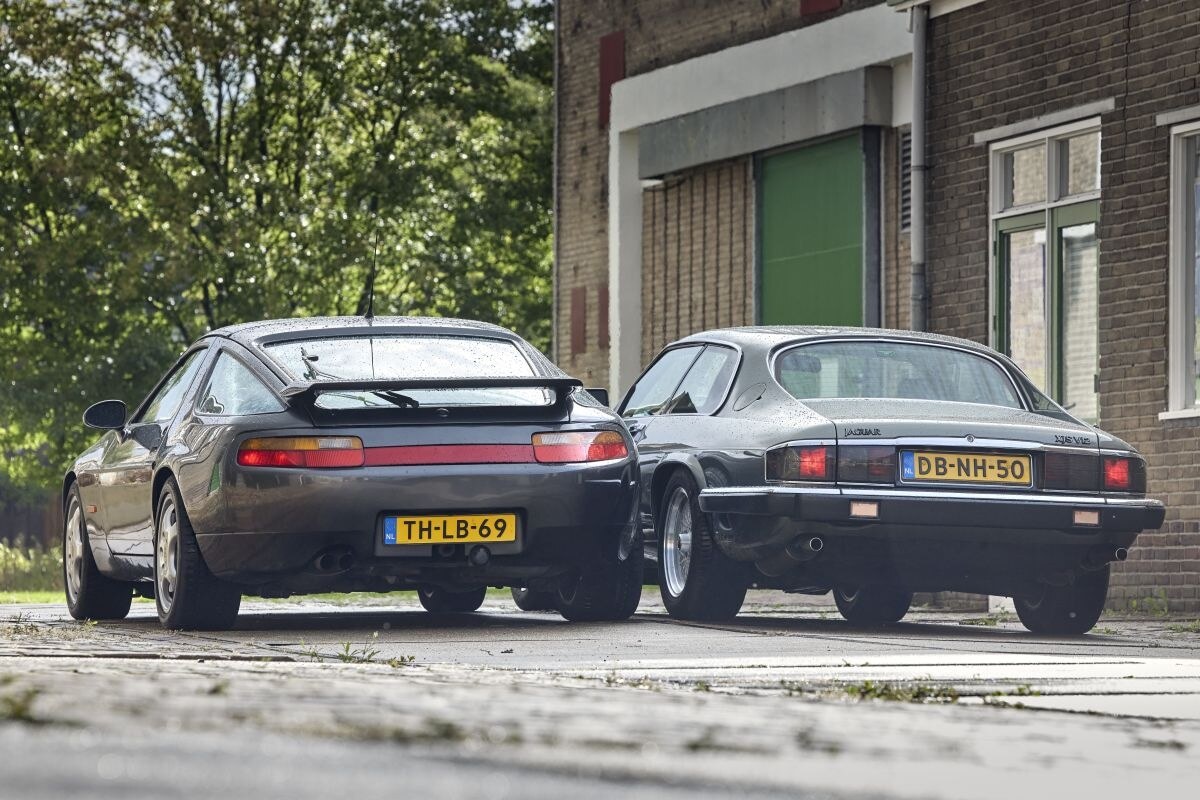
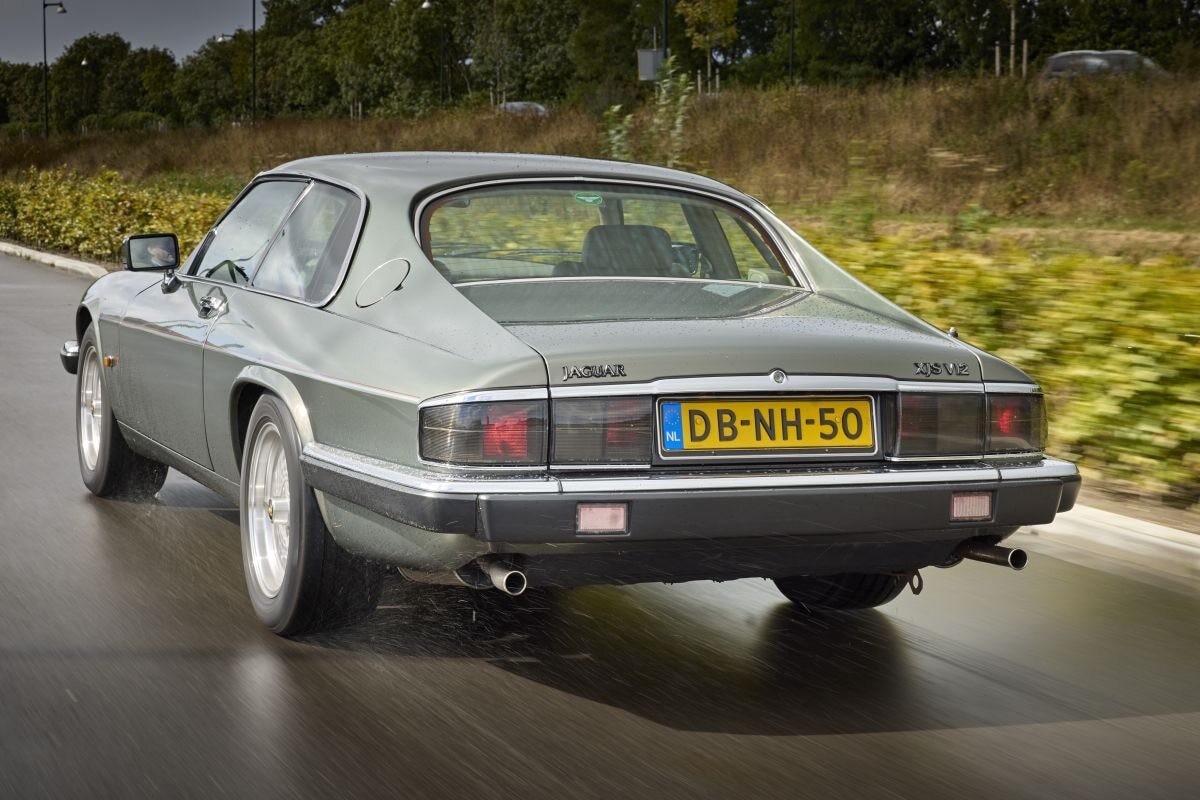
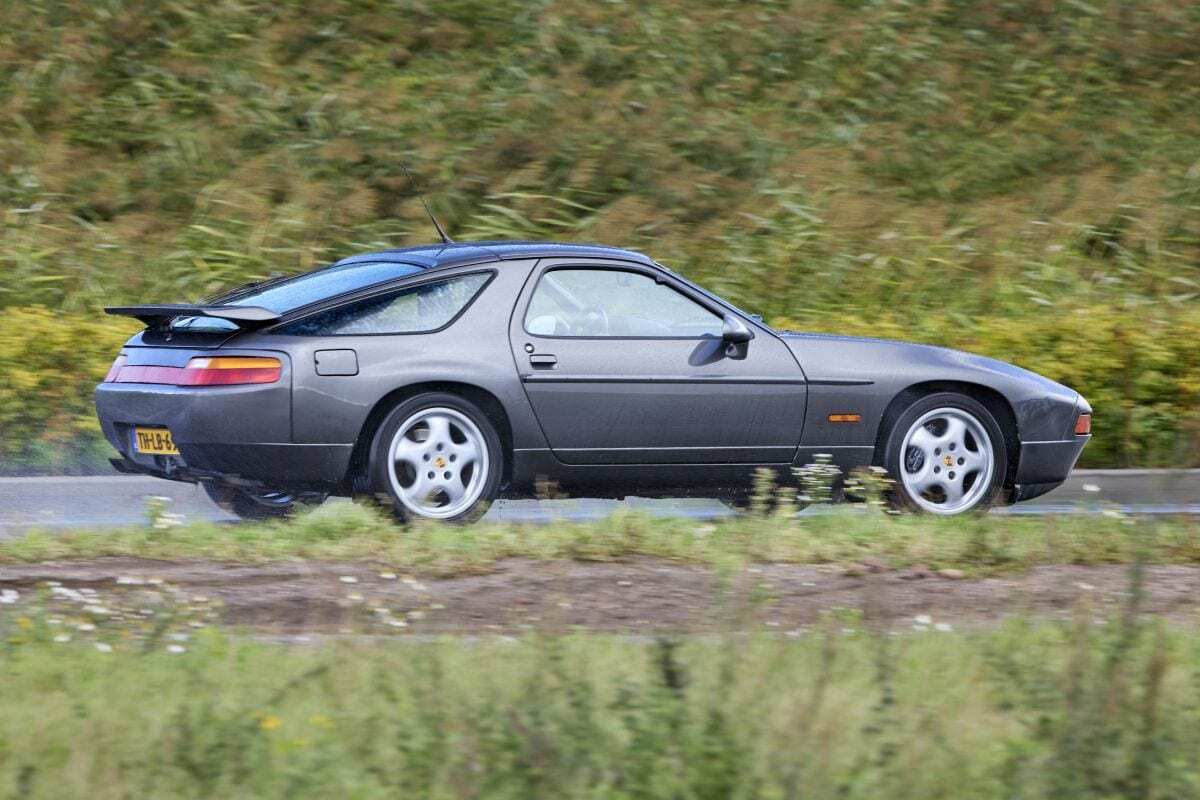
They were developed to replace legendary sports cars, but could never QUITE Live up to the high expectations. It is all the more remarkable that they both had careers tension more than two decades. We are hike to the road with the jaguar xjs v12 and the porsche 928 s4, which Almost had Achieved classic status in their year of manufacture in the early 1990s.
Imagine Working at Jaguar in the Late 1960s with the Task of Safeguarding the Legacy of Founder Sir William Lyons. Until then, The Brand had Been Able to Operate Independently, But With An Annual Production of Barely 30,000 Cars, Profits Were Realistically Too Small to Invest in A New Model Range. Behind the scenes, The New XJ6 was Being Designed to Replace Every Four-Door Saloon That Jaguar Built. Customers who would otherwise have had a choice between the sporty 240, The Business S-Type, and the Large Mk x would Henceforth Be Offered Only One Model. Neverberthess, Jaguar was Studying a New Sports Coupe. Or rather: Two Sports Cars, the XJ21 and the Smaller XJ17.
XJ6: Sports Car Based on XJ6
Meanwhile, Sir William was approaching retirement age, but he had no heir; His Only son had died in a nasty car accident. Only through a Merger with the British Motor Corporation was the Future of Jaguar Secured, While Maintining Operational Independence. At Least, that is how lyons and the management of BMC had sealed it, but in the meeanime, the labor government under prime minister Harold Wilson Saw the Rise of the Foreign Car Industry as a Jet-Black Thundercloud Appearing about the United Kingdom. The Wilson Government Forced A Merger Between the New British Motor Holdings (BMC and Jaguar) and the Leyland Motor Corporation, which included Standard-Triumph, Rover, and Alvis. Within the new British Leyland Motor Corporation, Brands (and Management) That had leg making each other’s lives miserable for year now had to work together by necessity. That small sports car from Jaguar? It had no place in the territory of mg and triumph. The XJ21 was also scrapped, as the development budget was cut deeply from above. There was Only One Solution: to Base the intended new Sports Jaguar on the Acclaimed XJ6. Malcolm Sayer, who had Been at the cradle of the le mans-winning C- and D-Types, fantasized about a low 2+2 coupe with the elegance of an Italian Thoroughbred. Sayer Could Count on the Support of Sir William Lyons, WHO, As Chairman of the Board of Directors at Jaguar, Still had a finger in the pie.
Porsche 928 Intended as Successor to the 911
Imagine Working at Porsche in the Early 1970s and Being Assigned the Task of Developing a Successor To The Legendary 911. While the Elector was in The Prime of Its Life, The Sentiment Arose at Porsche Headquarters in Stuttgart That Wamd Air Cooled Boxer Lifespan. Sometime in the Early 1980S, the 911 would have to be finished. MoreOover, the traditional Sports Car Buyer was no longer the youngest and was beginning to make heavy demands. Pure sportiness? Far too uncompromising. In The Long Term, The 911 Could No Longer Meet the Increasing Demand for Luxury and Comfort. It was time for a new top model that would operate in a highher class than the 911, equipped with a water-cooled V8, With Perfect Weight Distribution, The Performance of a Sports Car, and the Ride Comfort of a Luxury Limousine. Such A Model would Certainly Do Well in North America and would automatically make the 911 Redundant.
Development of the 928 Could Cost A Bit
Porsche was Bursting with Self-Confidence. For the Development of the Compact Mid-Engine 914, The Sports Car Brand had Still Worked Closely with Volkswagen in the Mid-1960S, and later the Successor To The ‘Vopo’-The 924-was also designed together with Volkswagen-Audi. However, Porsche Prepared the New Large Gran Turismo, The Successor To The 911, Entirely On Its Own, in its own Kitchen. It was a Hugely Ambitious Project for a relatively small brand like Porsche, which in 1970 and 1971 had Sold Less than 25,000 911s and managed to Lift the 914 counter to just under 33,000 units. Porsche Budgeted Generously for the Development of the 928: over 200 Million Marks (Converted to over 102 Million Euros, excluding inflation). Absolutely Everything had signed to be: from the engine to the driveline with transaxle, from the galvanized body to the integrated safety construction. A lot of Money Went Into The Ingenious Weissach Rear Axle, An Independently Suspended Unit That Allowed The Rear Wheels to Steer SLIGTLY in Corners. Of course, no pfennig was skimped on the build quality: the 928 had to compete with the best cars in the world.
Revealed in 1975 and 1977
However, The Stars Were Not Particarly Favorable for Either Car. The Jaguar XJ-S was unveiled on September 10, 1975 at the IAA in Frankfurt, The Porsche 928 would be launched a year and a half later, on March 17, 1977, at the geneva motor show. For the public, the XJ-s and the 928 Ran Directly Counter to the opinion that after the oil crisis, it was time to put an end to those fuel-guzzling sports cars. For the XJ-S, A V6 and A V8 Were Initially Planned, But Thesis Were Scrapped by the Management of British Leyland for Budgetary Reasons. However, The Manufacturer Encountered More Problems, Because in Germany-Not the Least Important Market for Jaguar-The XJ-S was refused type Approval. The Authorities Feared that the ‘Flying Buttresses’ (The Immelely Large C-Pillars) would Obstruct the view to Such An Extent That Road Safety would be seriously compromised. And then there was another headache: Where should the XJ-s be build? After all, The Capacity in Jaguar’s Browns Lane Factory in Coventry was insufficient to accommodation the new model. That is why the legendary e-Type had to give way, much to the wholesale of many enthusiasts, who unintentionally regarded the new xj-s as the successor to their cherished sports car. A Role That was never originally assigned to him.
Porsche 928 Car of the Year
At Porsche, the flag initially fluttered at the top. An International Jury of Renowned Automotive Journalists Chose the New, Progressive 928 AS Car of the Year 1978. Never Before had Such a Fast and Expective Car won this prestigious award, and after the 928 that would never happen again. Porsche Could Not Have Wished For A Better Reception. Althegh … Die-Hard Porsche Customers Just Didn’t See the 928 at All. They swore by the air-cooled six-cylinder boxer engine of the-in their eyes-perfect sports car that the 911 was and felt that the 928 was unworthy of all the lyrical reactions. A Costly Miss from the Marketing Department: The 928 Cliente Should Not Be Sought Among 911 Owners, But Among ‘Foreign Brand Drivers’. The Car was not a resounding success. A Point of Criticism That Arose Early On was that the 4.5-liter V8 Could Not Deliver on the Promises of the Chassis. With a power of 240 HP and a Weight of 1,450 kilos, the 928 was an Easy Prey for the 930 Turbo. That was fuel on the fire for 911 fanatics. Porsche refused to throw in the Towel prematurely and developed the 928 to perfection, including by Building an s Version with a larger and more powerful Engine. This Five-Liter Block Increased the Power to A Respectable 300 HP. Yet Porsche Resisted the Temptation to Race with the 928, as it had done with almost all other models. Only a single private team saw the 928 as the iDeal racing car. For Example, The Team of the Frenchman Raymond Boutinaud prepared A 928 S to Start at Le Mans in 1983 and 1984, Without Success, However.
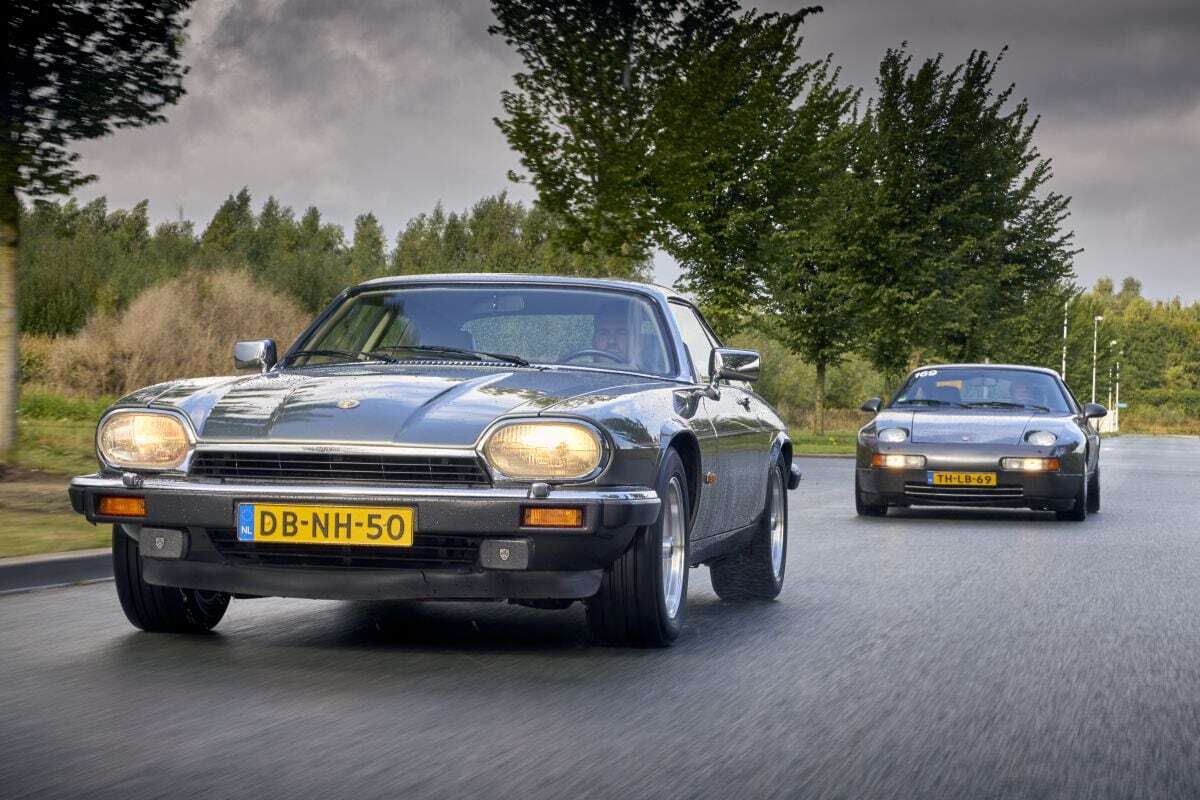
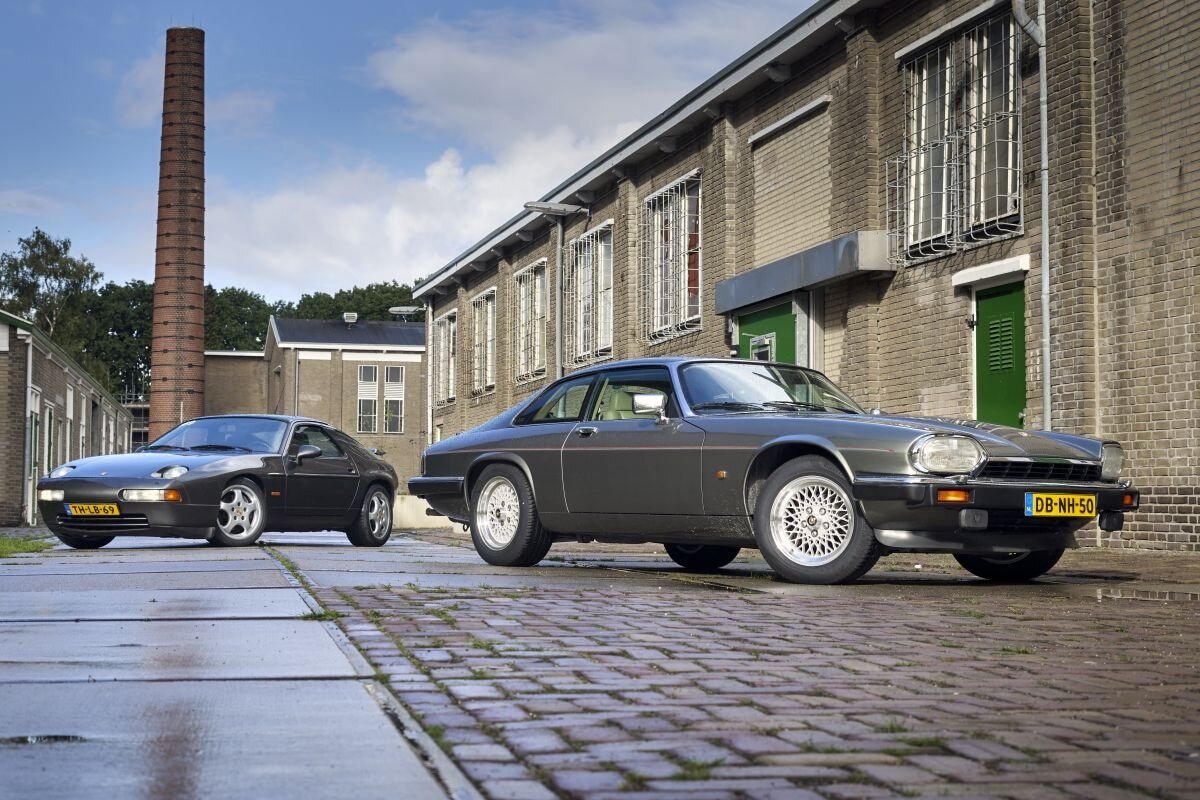
As a product of the doomed model Program of British Leyland, The Jaguar XJ-S Initial Suffered From Major Quality Problems, which Further Harmed Its Already Tame Hed Image. Just Like Porsche, Jaguar Did Not Give Up Easily. After the British Leyland Empire Impoded and Jaguar Independently Picked Up the Thread Under The Inspired Leadership of John Egan, The Company Invested Heavily in Build Quality. And with result, because after the arrival of the xj40 – which was Still Developed with BL Pounds – the brand flourished as a serious alternative to mercedes and bmw. The XJ-S also Benefited: In Addition to the 5.3-liter V12, a Version with a Further Developed XK Six-Cylinder Appeared in The Showroom. However, The Big Turnaround Came With The Big Money From Ford in the Late 1980S. The XJS (The Hyphen On The Nameplate was Economized Away) Finally Received the Update and Upgrade In 1991 That the Chic Coupe Had Been Longing for So Long. Most Striking Changes: The Wide Smoked Glass Taillights and the Larger Side Windows, with the Rear Window Lying a Little Flatter and the Characteristic ‘Flying Buttresses’ Changing Shape Slightly.
XJS Full or Natural Materials
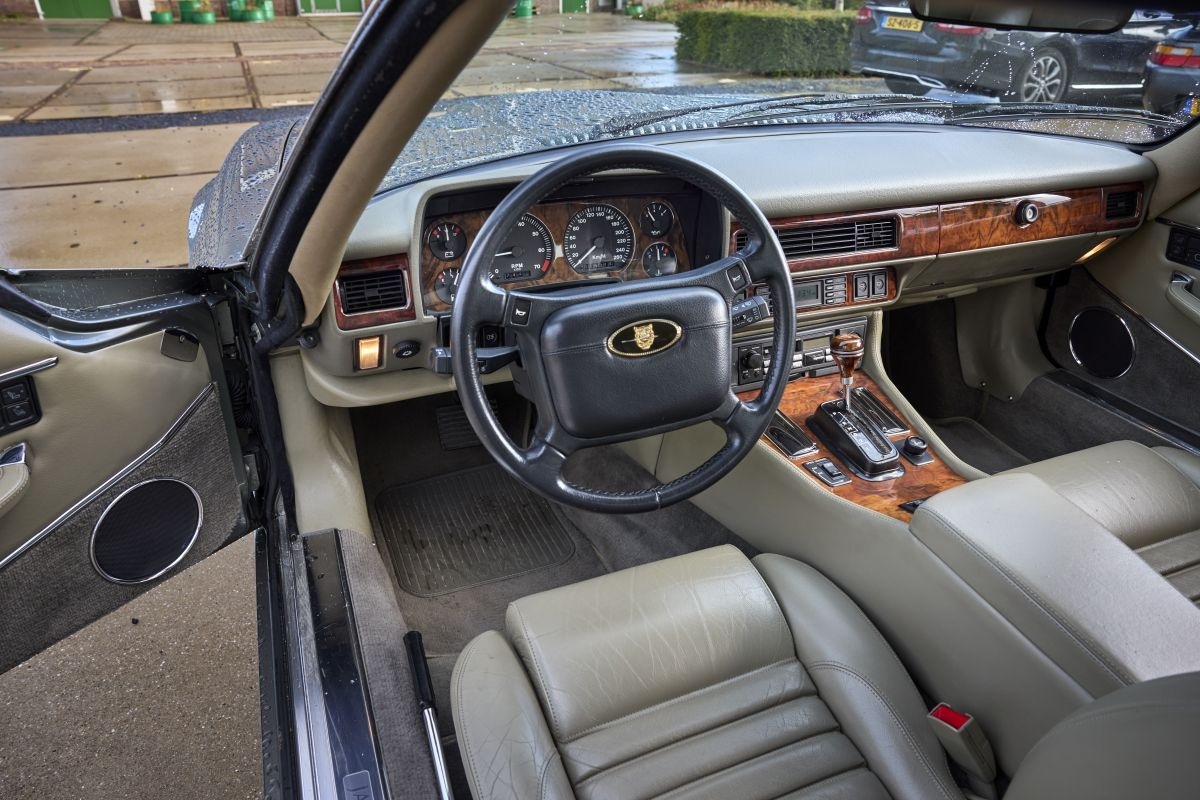
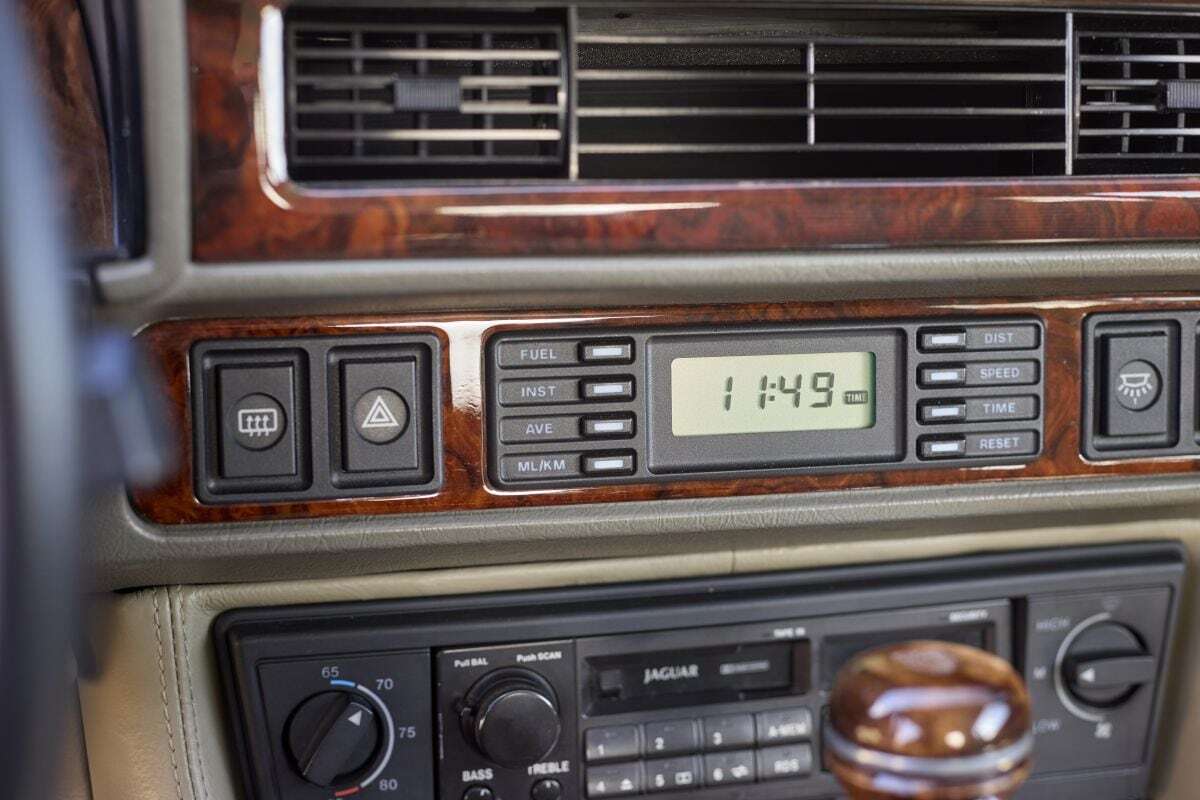
No Changes Were Made to Chrome-Plated Details, Such as the Bumpers, Exterior Mirrors, and by Handles, So That The Car Already Looked Classic in 1991. However, Age No Longer Matters. The Interior of the XJS is a Mix of Typical (Synthetic) 1970S Solutions, Mixed with Beautiful Natural Materials of High Quality. The Thin Leather Steering Wheel Lies Between Your Thumb and Forefinger Like Your Favorite Fine Writer, And That’s How the Car Steers: Lightly And Easily, As If You Were Putting Your Story On Paper With Refined Strokes.
XJS is an Honest Car
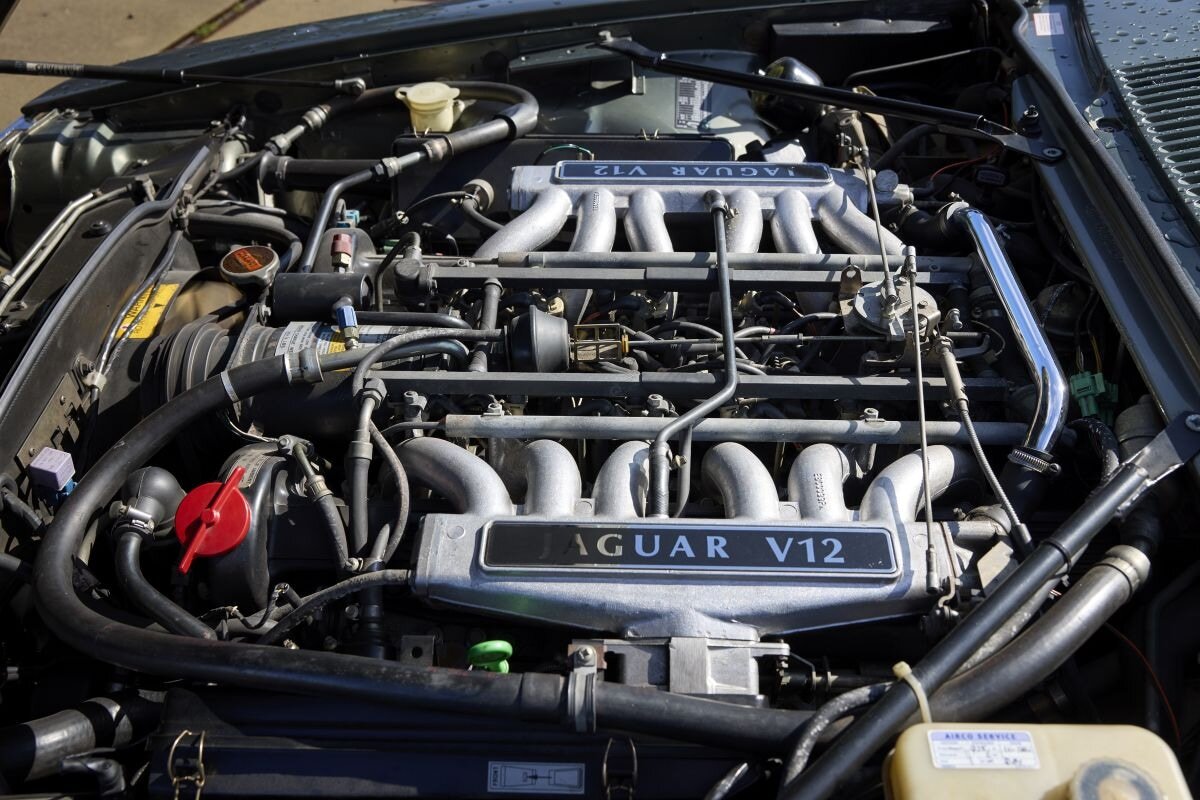
At first acquaintance, this makes you fear for the contact feeling, but the xjs is an honest car and will not withhold any important information from you. The Same Applies to the Smoothly Sprung Chassis. Upon Departure, You Feel Everything Around You Rocking On The Coil Springs, But Once At Tempo, The XJS HAS Regained its Motor Control and Follows The Track Like A Predator On A Looting Spree. The view over the long, curved bonnet is like a panorama over the hills of the Cotswolds, but underneath it looks like a collapsed hobby shed: there are all kinds of pipes, wires, and cables running around the large V12 engine, and the bundle of spark plug cables from the distributor seems to be in an Impossible knot. When you turn the ignition key, the starter motor sounds like a steam Mill is being cranked up. Then the twelve-cylinder Comes to Life, Whisper-Quiet and Silky Smooth. Abrupt Movements of the Accelerator Pedal do Not Faze Him; You get what you deserve: a torque that is as buttery as a cream butterscotch.
V12 Delivers 280 HP
Althegh the V12 HAS 280 HP Ready, It Never Makes A Hurried Impression. He caresses the Asphalt Instead of Scratching Deep Crutches Out of It With His Rear Wheels. Yet the XJS Has Much More in its Arsenal Than Just a Quiet Touring Tempo. Just Look Up The History Books: With This Car, Jaguar won the European Touring Car Championship in 1984. He was also flagged as the Winner During the 24-Hour Race at Spa-Francorchamps. Maybe the xjs dosn’tn’t release as many emotions as the legendary e-type, but it definitely gets under your skin. A car that cannot be compared to any other.
928 Doessn’t Look Old, Especialless Not With The Facelift Rear
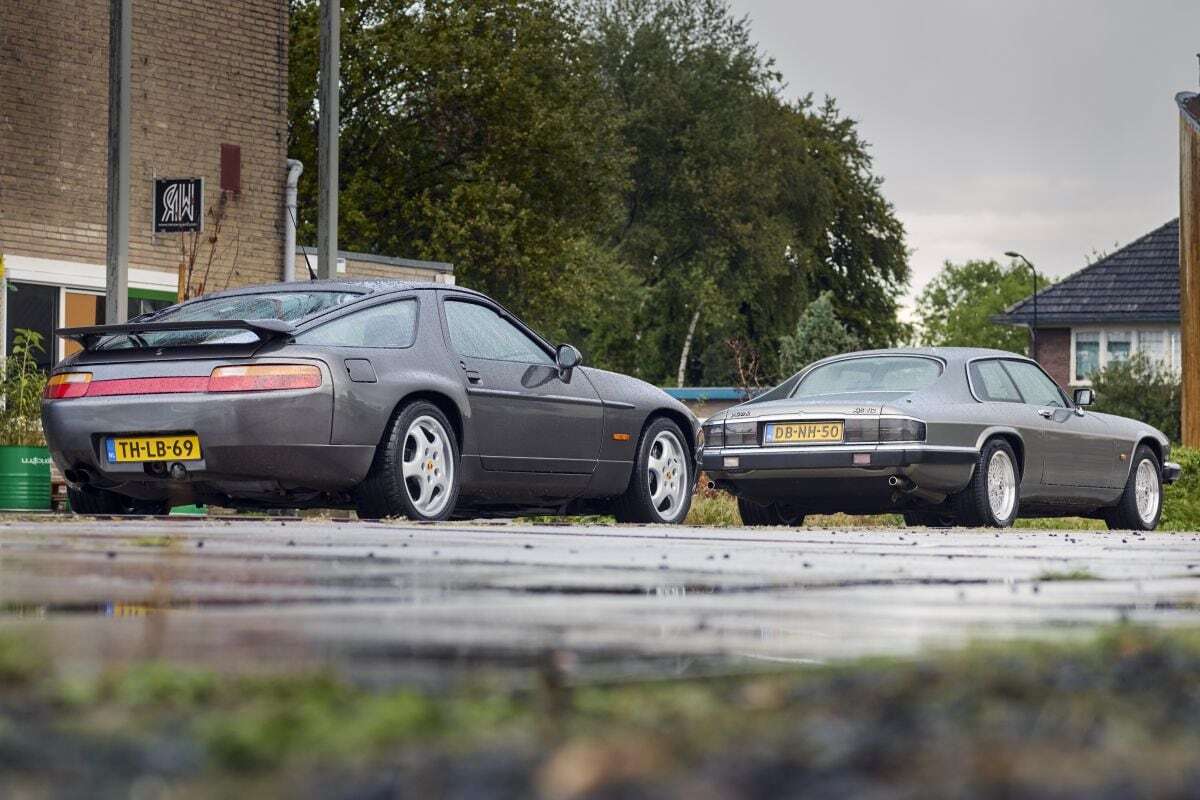
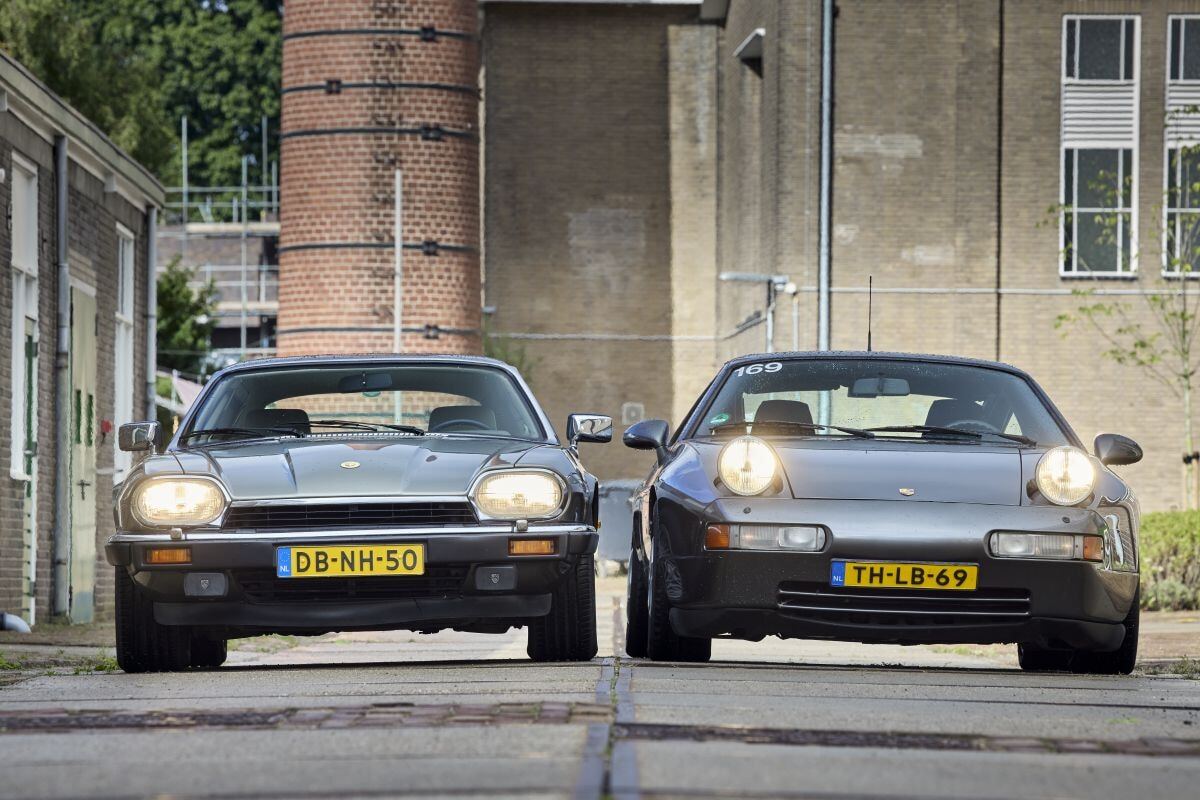
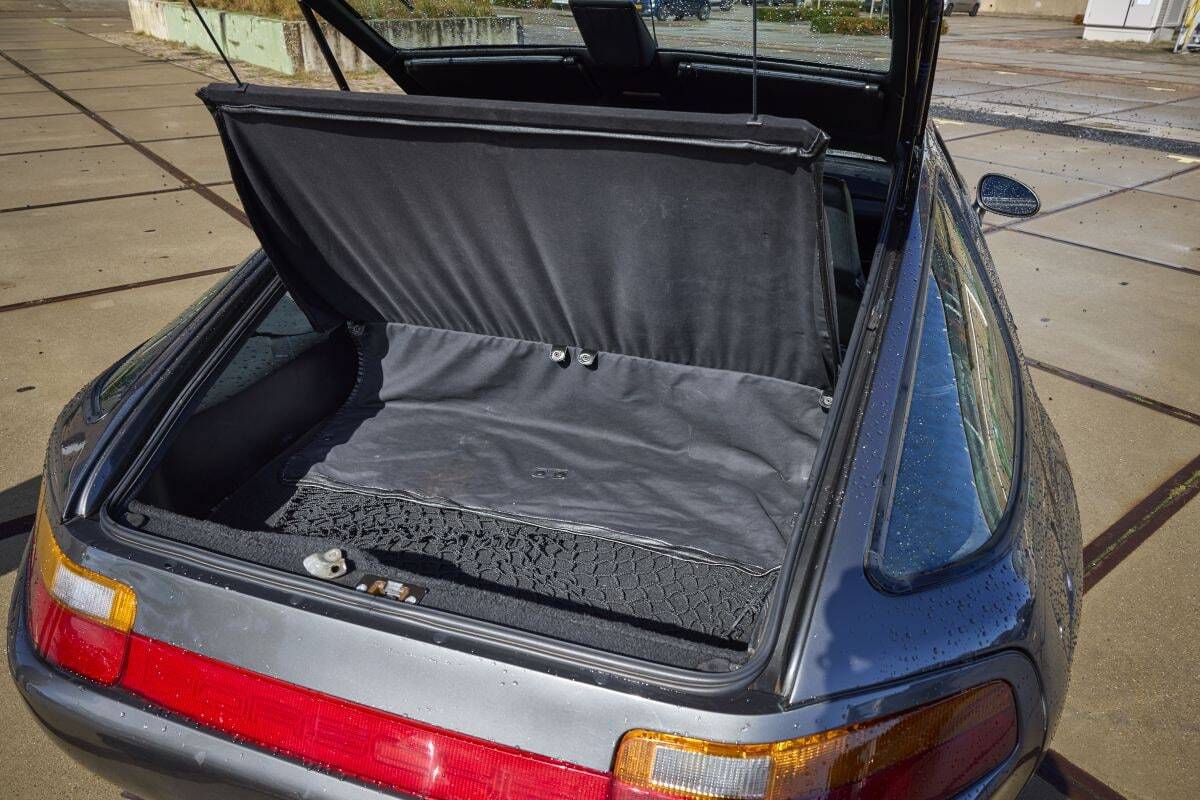
The Porsche 928 S4 is cut from a Very Different Cloth. When it received a thorough facelift in 1987, in the run-up to the introduction of the great Improved 964, Time Finally Lost its grip on the streamlined design that was created under the leadership of Anatole Lapine. It is hard to grass that the car was introduced in this Appearance Almost 40 years ago. Of course, the continuous reflector between the waistights and the 16-inch Cup Wheels are no longer of this time. By the way: that reflector band, the rounded exterior mirrors, and the knocked out rear fenders of Our Photo Model Were Officially only implemented on the 928 GTS, at the end of 1991. of course, we want to see the tilted headlights fold open. We point to the shape of the side Windows, because these served as an Example for the three-through Ford Sierra XR4i.
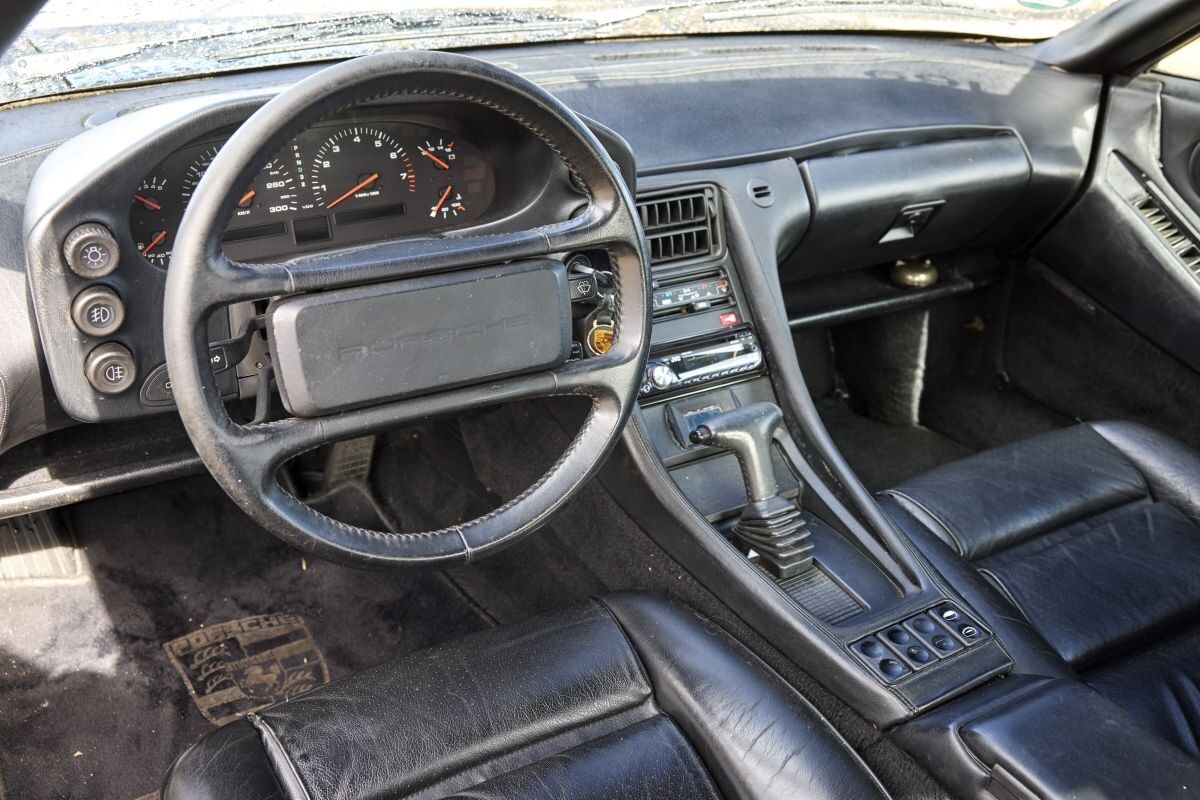
The Porsche stands to the Jaguar As Nena to Camilla Parker-Bowles: The Interior of the 928 is Entirely Clad in Sleek Black Leather. The Seating Position Behind The Wheel is relaxed, The Height Adjustment of the Optimally Positioned Steering Wheel Takes The Entire Instrument Panel Up and Down. The view through the Windshield is not disturbed by any obstacle on the nose, the road is free to whip up the five-liter V8. Then the Torque is what makes the clock tick, the eight-cylinder has no trouble with the long ratios of the four-speed automatic.
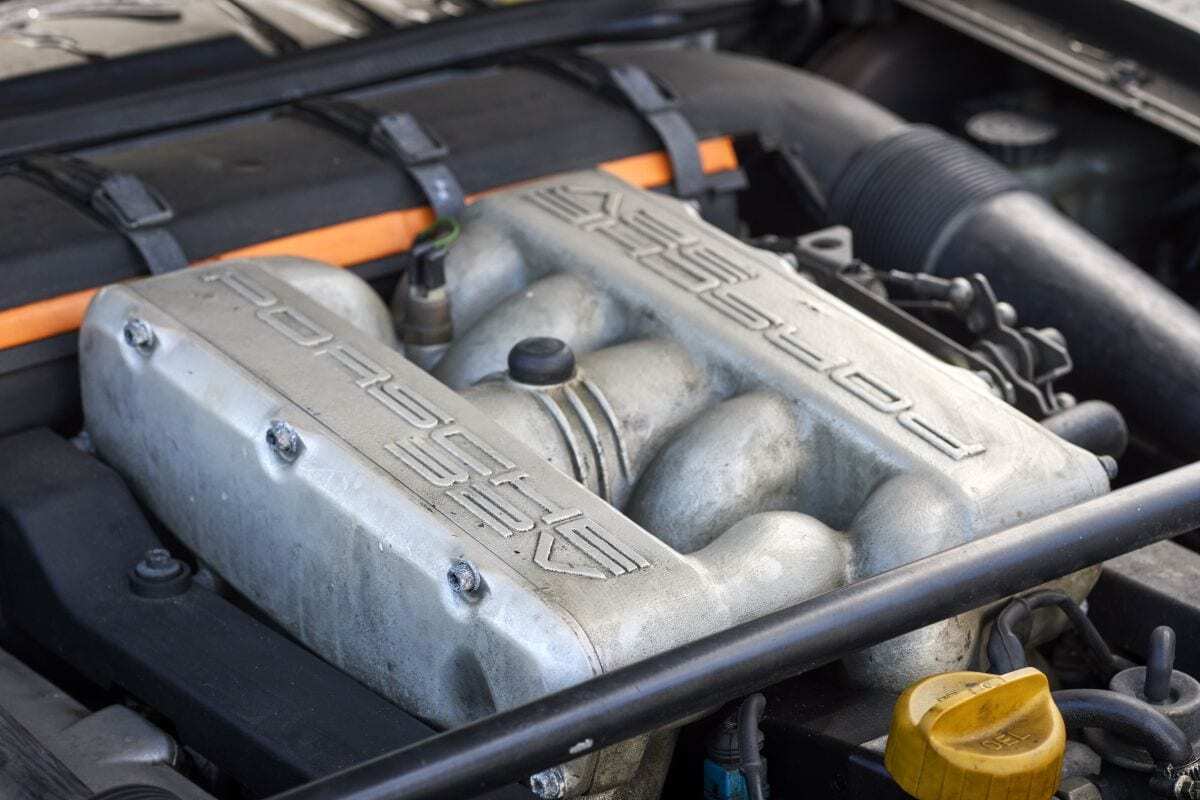
V8 Porsche Doesn’t Sound Like An American V8
If you expect an American Hammer blow from the Porsche Engine, you will be somewhat disappointed. The V8 Runs Pitch-Stable Like A Turbine, with A Dark Sound From Its Engine Block. The Porsche Feels Very Solid and Makes No Secret of its Heavy Construction. In Addition, The Many Glasses Provide An Airy Atmosphere in the Interior. The 928 Immediately Inspires Confidence, So That You Soon Dare to Depress The Accelerator Pedal Deeply On The Autobahn. And then the 928 S4 Takes Off With Swift Speed, PurposeFul, Directionally stable, and very comfortable. A very different car than a porsche 911, close to perfection. Exactly as the designers had Envisioned it at the time.