 好的,这是提取的正文内容并翻译成英文的结果:
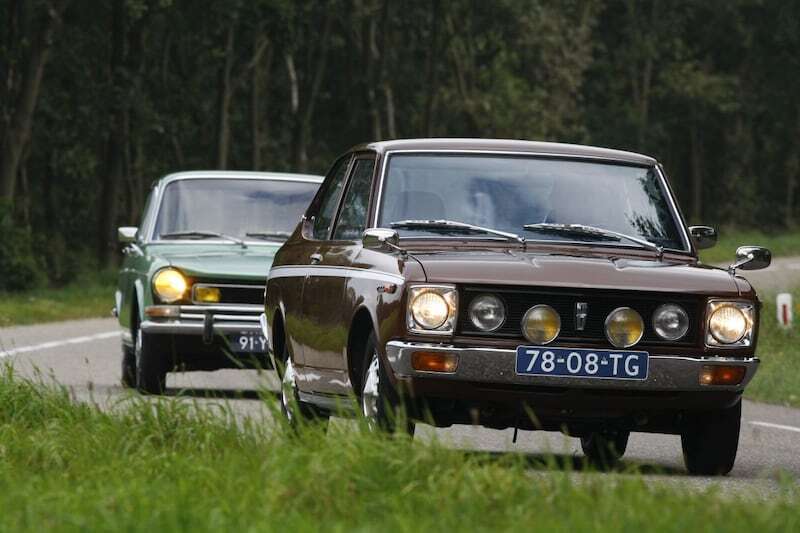
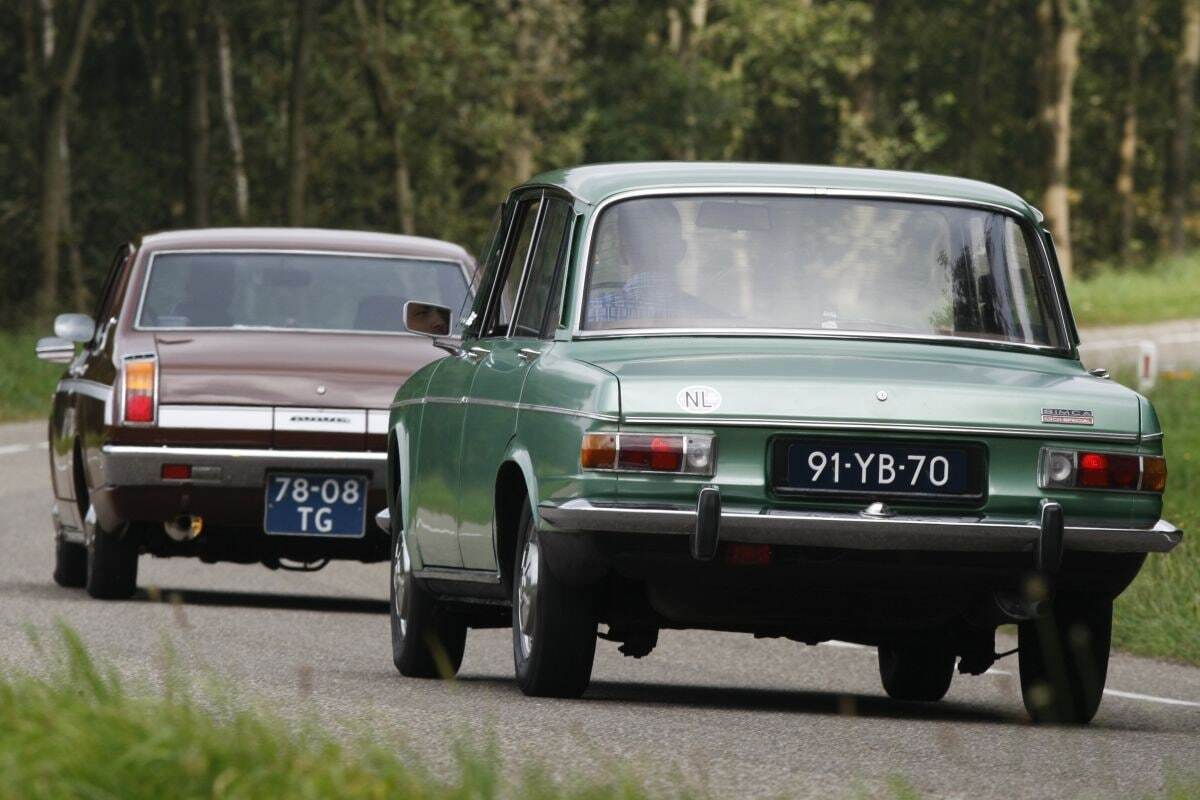
On the border of the 60s and 70s, the Established Middle Class Comes Under Serious Fire from the Japanese. Toyota Has Already Brought The Large Crown, The Mid-Size Corona, and the Compact Corolla to Our Market. Datsun Mainly Relies on the Sunny. The Cars Don’t Imediately Resonate. A Model Generation later, Japan is Doing Much Better. We translate that offensive here into a Toyota Carina that takes on a simca 1301.
We look somewhat awkwardly at the first wave of Japanese cars that arrive in our country in the mid-1960s. Brands Like Toyota, Datsun, Mazda, PMC, and Hino Have What We Consider A Somewhat Peculiar Styling. You also have to wait and see how reliable thesis Japanese Newcomers are. And how much status can you derive from them? Most Dutch People prefer to stick with the familiar European Brands.
On the threshold of the 70s, the next generation of Japanese cars is on the quayside. We have already Become somewhat battery to the oriental lines and know that the reliability is no less than that of western cars. The Japanese do not Apply the latest of the latest, But Proven, Simple and Cheap Technology. For many buyers, that is good enough. In Addition, The Oriental Cars Are Slightly Better Equipped Than The Western Ones, So They Are An Attractive Offer For A Growing Minority. MoreOover, They are constantly Improving Under the Motto ‘Kai -zen’ (Constant Improvement).
First the Compact Segment
In The Compact Segment, The Datsun Cherry and the Second-Aleration Toyota Corolla Are Hugely Popular, and In Their Wake, The Mid-Range Models Are Beginning To Find Appeal. The Toyota Carina is popular, but you also see the mazda 616 and datsun 1400/1600 More and More often. The Established Order Feels the Hot Breath of Japanese Competition On Its Neck. Models Like the Peugeot 204, Renault 10, Simca 1301/1501, Alfa Romeo Giulia, Fiat 124/125, Audi 60, BMW 1602, Ford Taunus 12m/15m, Opel Rekord 1500, Triumph Toledo, and Volkswagen. 1500/1600 have With the arrival of the Opel Ascona, Ford Taunus (Knudsen), Alfa Romeo Alfetta, Lancia Beta, Morris Marina, Renault 12, Audi 80, and Volkswagen Passat, A Line of Defense is erected. But the Sleek Lines of Those Models Do Not Appeal to Everyone. The American-Inspired Style of the Japanese sacrifices an alternative. In This Way, The Japanese Squadron Gradually Gains a Foothold on European Soil.
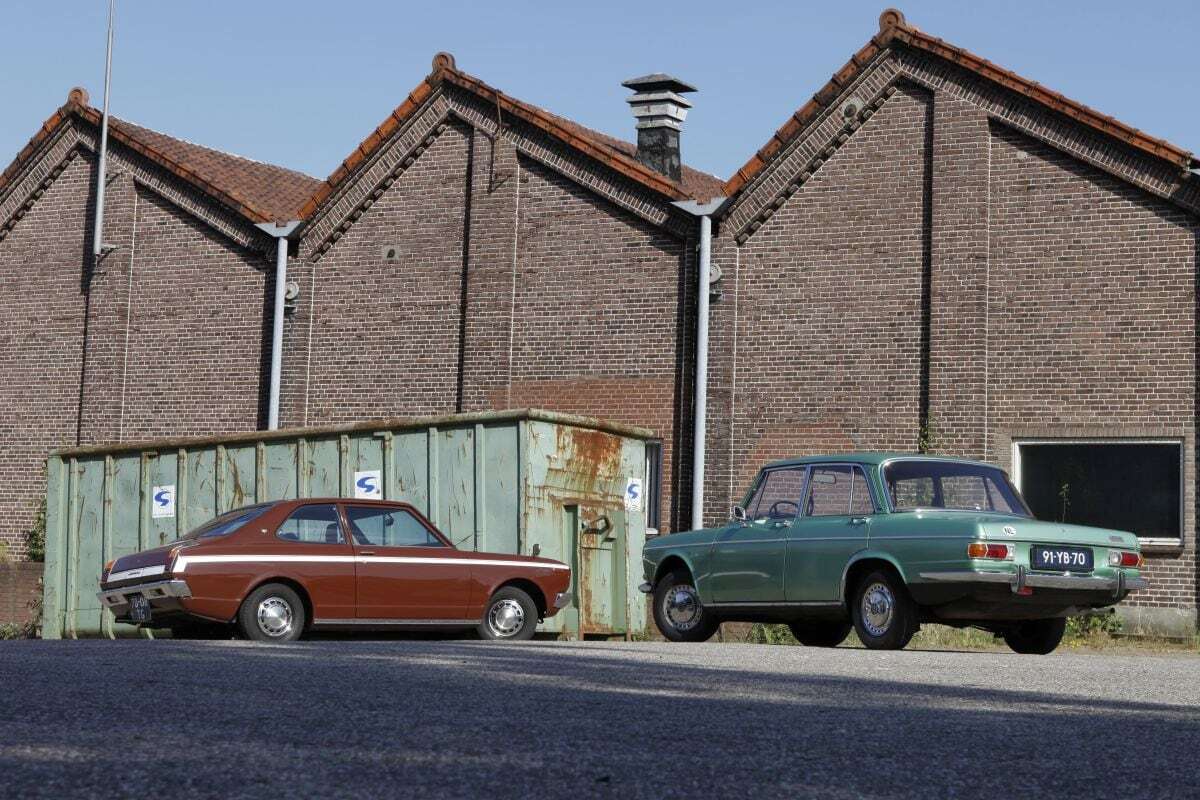
Toyota Carina stands for Japanese Middle Class
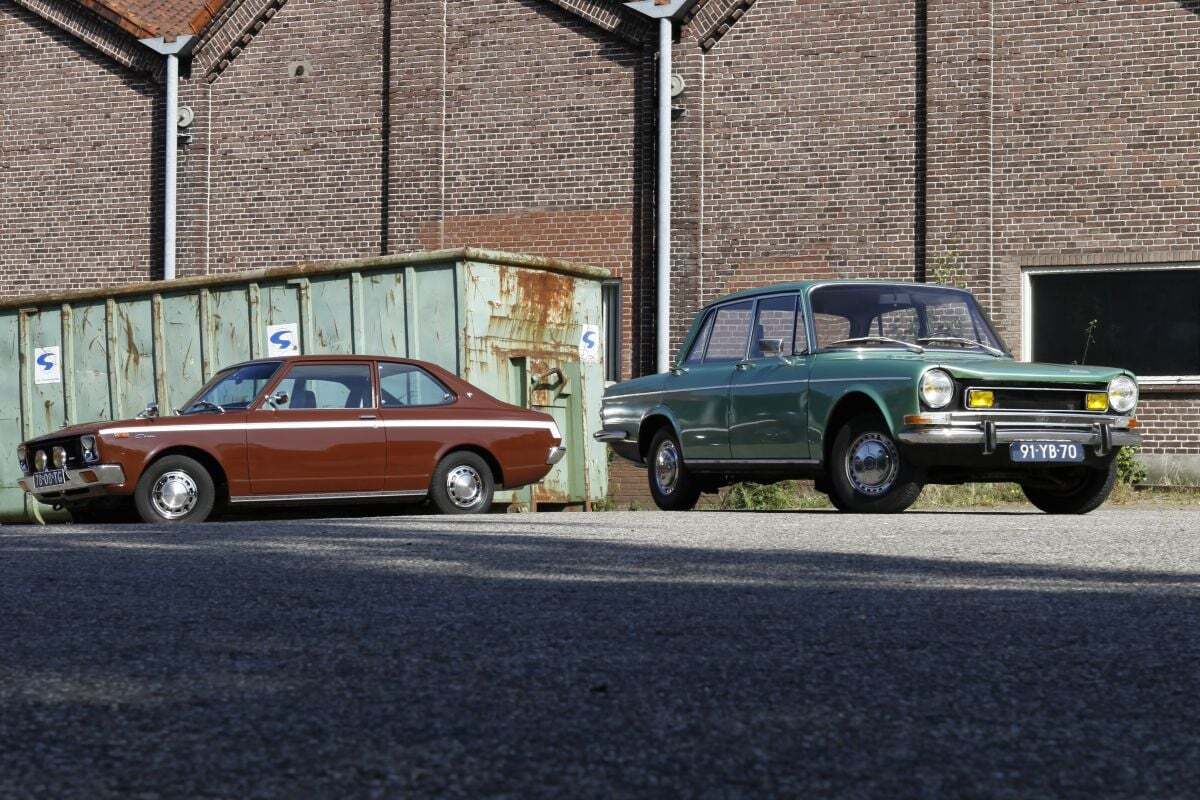
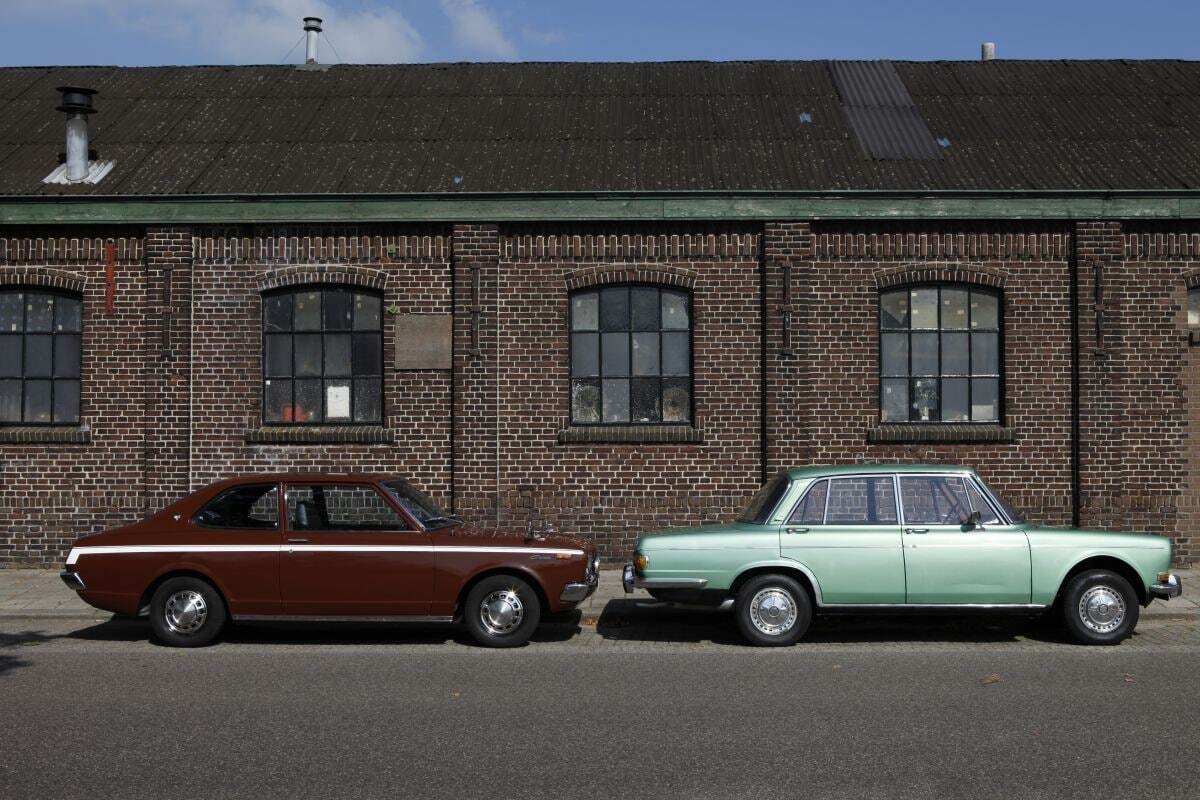
We Depict that naturalization process here with the Toyota Carina, which representents the Japanese Middle Class, and the Simca 1301, which Repressents The Established Western Order and Has Difficulty with the Newcomers. And where can we photograph that better than in Twente, where in that same time the textile industry, with ten Cate as the best-known representative, is Longughing Due to the emerging competition from Asian Low-Wage Countries? The parallel Will Be Clear.
Simca 1301/1501 Successful Middle-Class Car
The Simca 1301/1501 is a Successful Middle-Class Car From the 60s in the Early 70s, which is Still Being Produced Due to the Lack of a Timely Successor. It is only available with four doors. Before the facelift, when it went through life as the 1300/1500 series, the five-person sedan was rather bulky with features of the alfa romeo giulia, after the facelift it is a sleek, slim and elegant model with its own face. In the more potent special version, it has spotlights in the grille, which give it a sporty touch. Work has also leg done on the interior. The Dashboard is Covered with Wood Veneer, For Example, and in the Special Versions, It has no less than four clocks in a row.
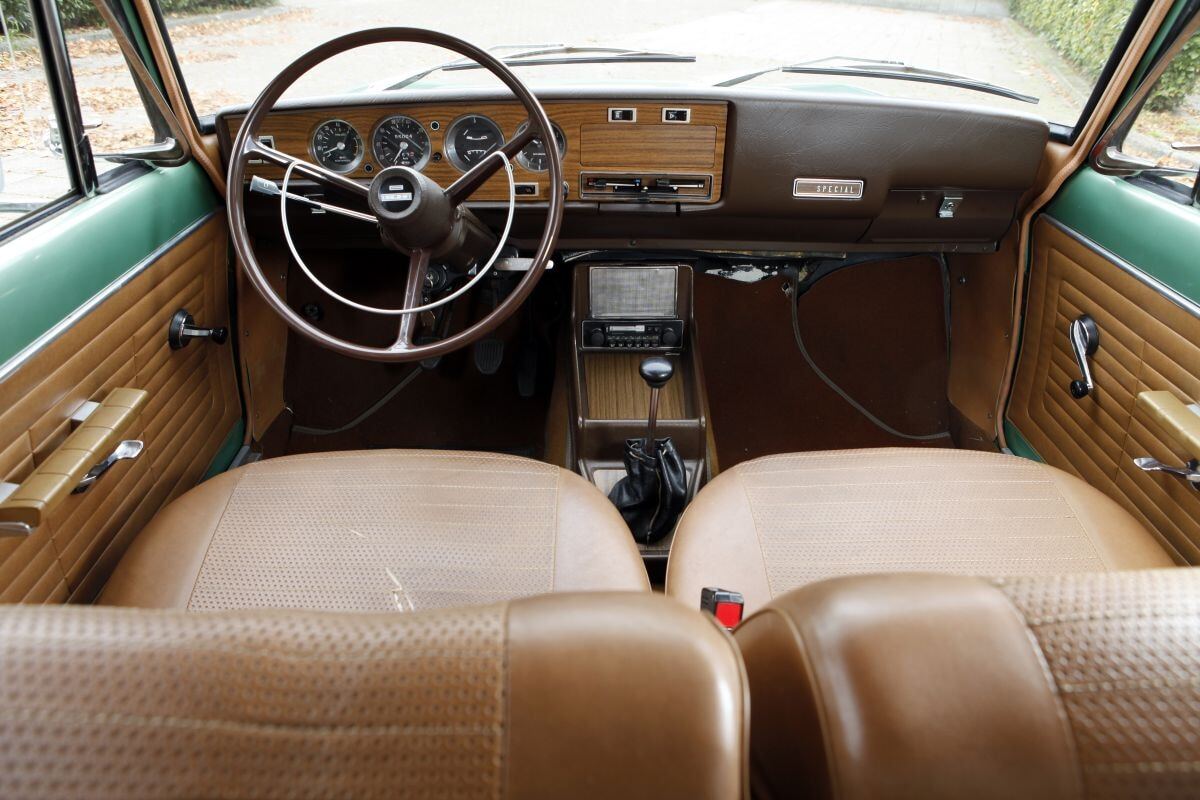
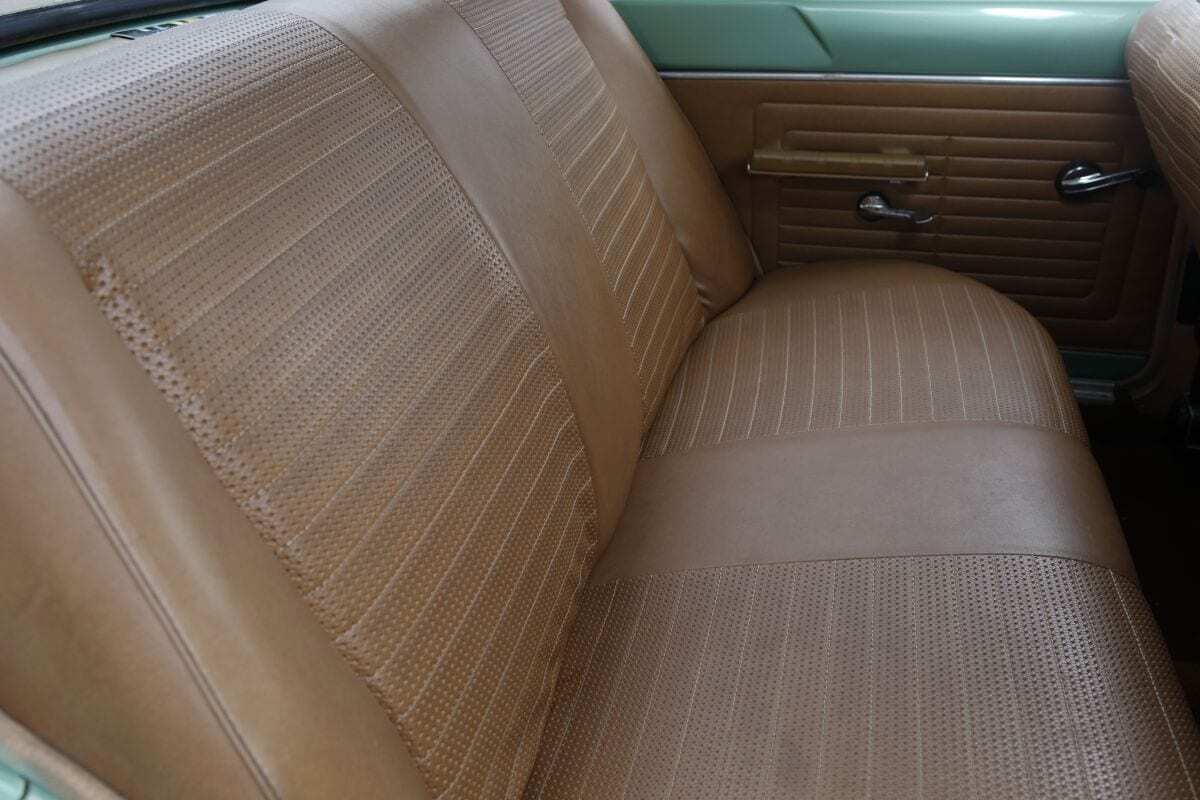
The Simca in This Double Test is A 1301 Special. The Position of the Indicators Makes The Front Seem to Smile, But The Frowning Curve in the Bonnet Indicates That its Friendliness Has Limits. The Test Copy is not complete, and shows some color differentence here and there because some tranquility has bone ground away. The Cognac-Colored Interior Still Looks Neat, Except for a Tear in the Seat of the Driver’s Seat.
Toyota Carina Inspired by Sporty American Fastback Coupes
The Toyota Carina is of a Completely Different Caliber. Its Appearance is inspired by Sporty American Fastback Coupes. Characteristic is The Nose with Widely Spaced Double Headlights, The Outer Ones of which are equipped with a Chrome Ring. The Taillights also stand out, with their upright shape. The Carina is initially only available with two Doors in the Netherlands, but intended as a four-to five-person family car. The Sloping Rear Cannot Be Opened, The Tailgate Starts Under The Rear Window.
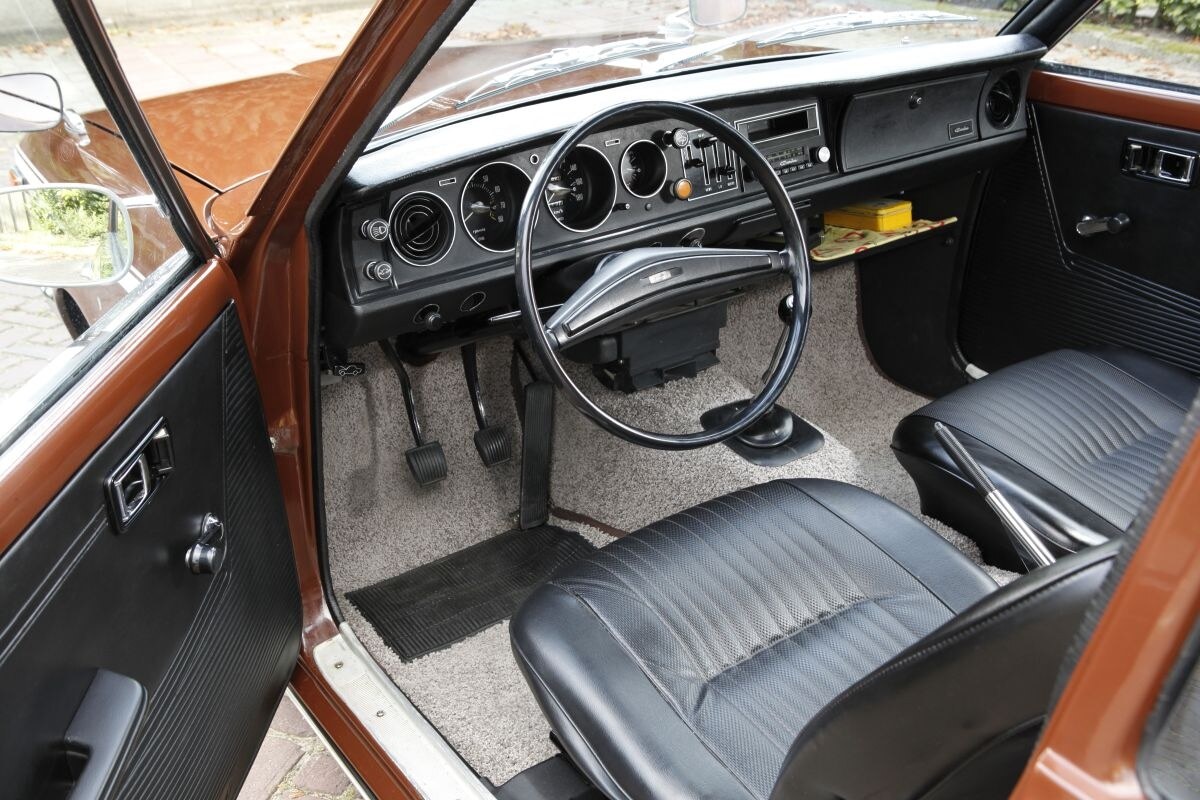
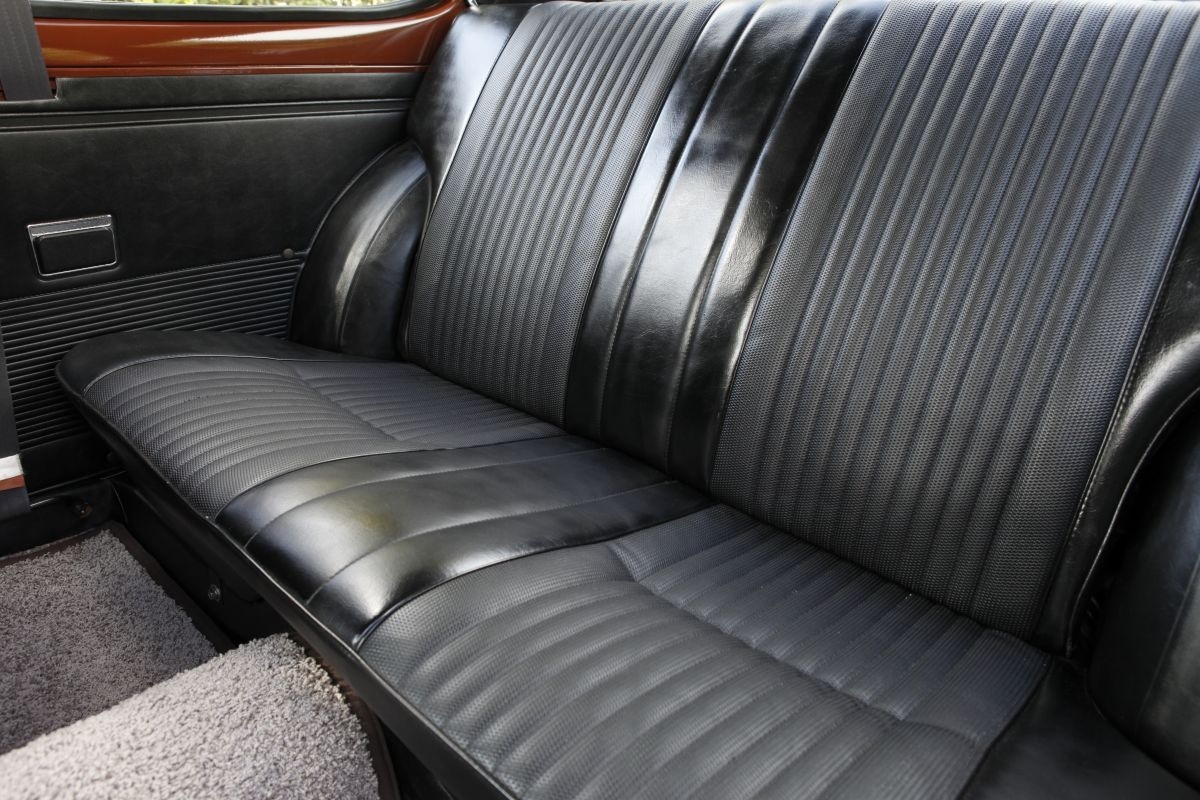
The Test Candidate is from the first series, with the ‘orange-above’ Taillights. In The Following Series, The Orange Part is at the bottom. The Interior Exudes The Same Sporty Atmosphere As The Exterior, With Black Skai As Upholstery, Front Seats with Attached Headrests, and A Matte Black Dashboard with Fairly Deep Clocks. The Toyota Has Been Freshly Restored, So It is Sleek and Spotless. It has immediately leg converted to a gt version, recognizable by the striping. The Front Fog Lights Are Typical 70s Accessories.
Lots of Light Around in Simca
The first thing that strikes you in the Simca is the excellent all-round visibility. There is Glass All Around you and the Window Styles Are Thin. Accordance to French Custom, The Ignition Lock is locationed to the left of the steering column. The Two Middle Clocks Are The Speedometer and A Combination Instrument for Fuel Supply and Coolant Temperature. Strangely Enough, The Tachometer is on the far left. The Time is indicated on the far right. In The Cognac-Colored Interior There is a Wonderful Smell of Skai and Old-Fashioned Lubricants. The Thick Carpet, the quasi-upstered upholstery and the Wood Veneer Exude Luxury.
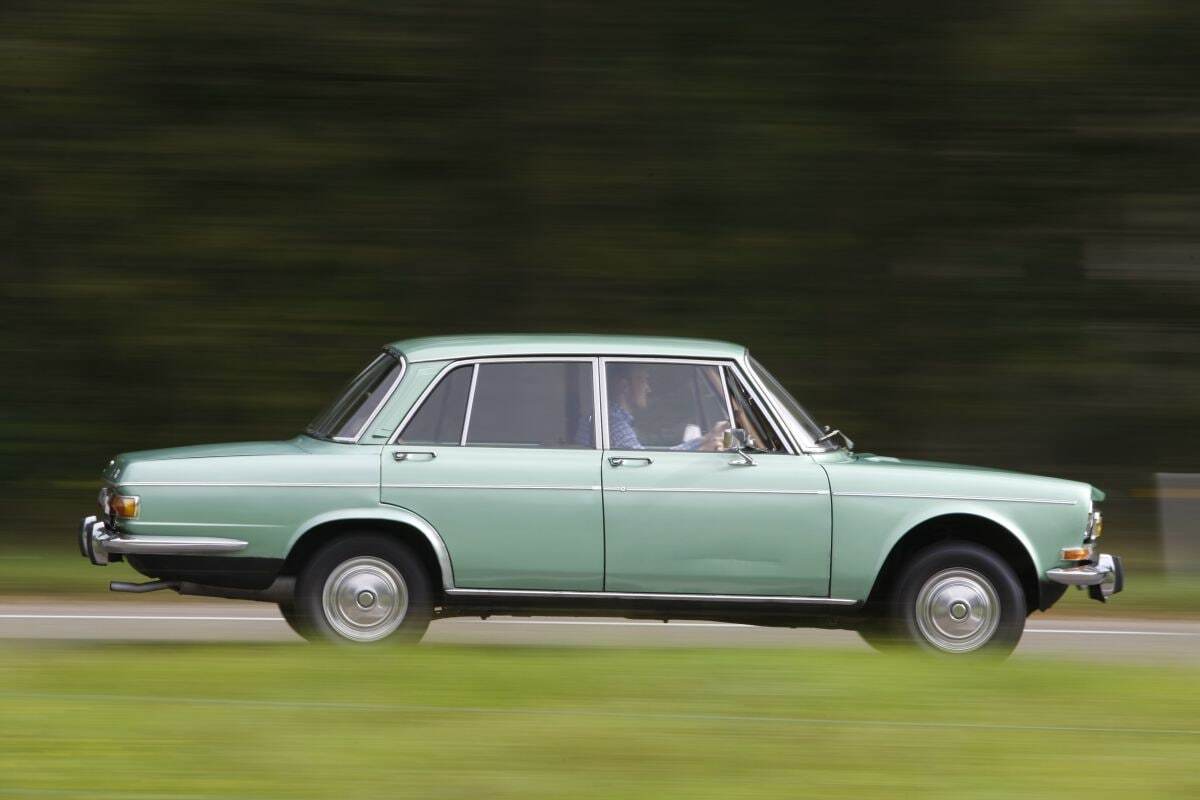
The 1301 Starts Smoothly and the Accelerator Pedal Responds To The Slightest Touch. The Clutch is also Light, and the Upright Gear Lever Moves Smoothly and With A Pleasant Amount of Play Through The Four Gears. Only the first gear must be pushed emphatically to the end, and for that you have to – unergonomically – bend forward. The 1.3-liter Engine is lively, but not noisy. The Unassisted Steering System Requires More Force at Lower Speeds Than Today. The Simca Steers Precisely, But If You Change Course On The Highway, For Example, You Sometimes Feel Some Play And You Have To Correct It. The indicator liver is remarkable light, automatically returns to the middle position, but has no ‘tip position’. To overtake, you have to manuele put it back in the middle position, but you can hardly feel where it is. The Seats Are Fine, But Give Little Lateral Support. Normally you don’t miss that support, because the simca Doesn’t Lean about extremely in corners. On the highway, the comfortable chassis behavior calmly. At 120 km/h, The Engine Makes 4,000 RPM, Without Excessive Noise. The Fut is not out of it yet; Overtaking, for example, is Fast Enough. All in all, The Simca is a fine car that keeps up well with traffic and is Suitable for Everyday use.
Toyota Carina is based on Celica chassis
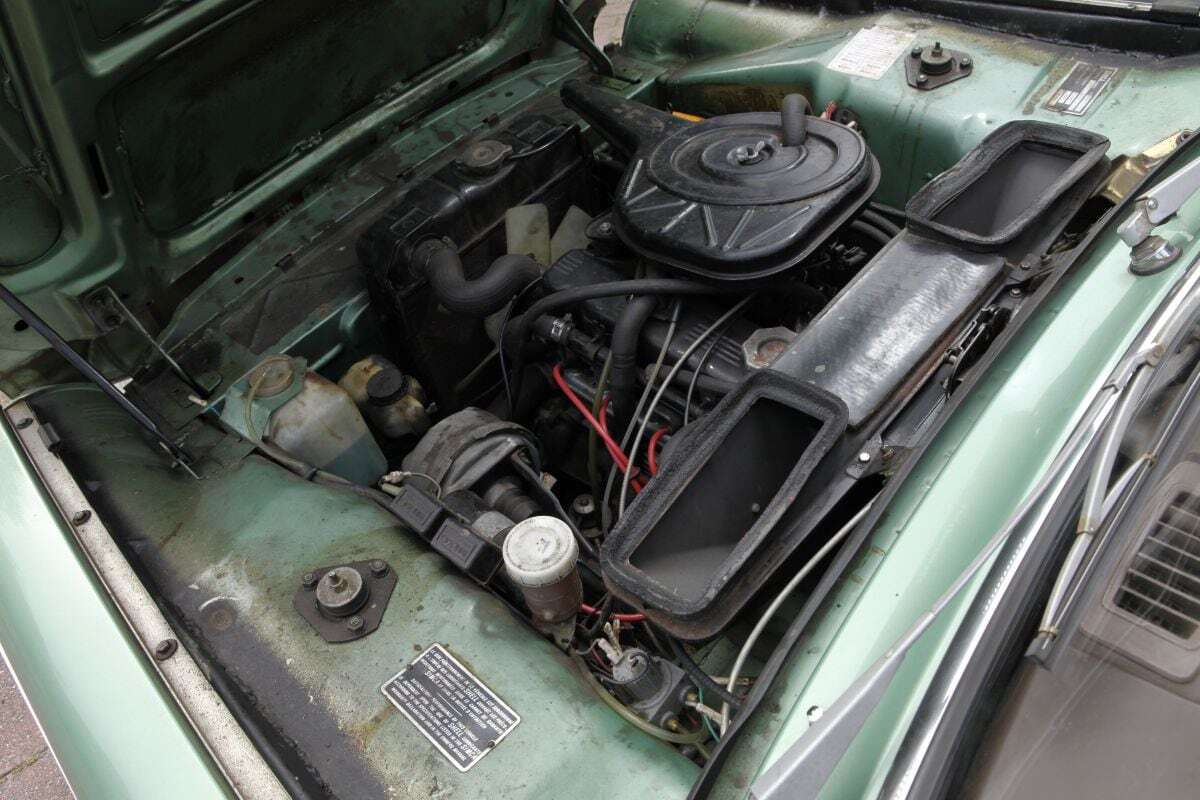
Then the Challenger. It is based on the chassis of the celica that we have already tested, and the engine and gearbox are also the same. The Carina Therefore Feels Almost Identical and Behaves Almost the Same. That Means: A Light Clutch and Brake Pedal, An Excellent Braking System, A Metallic -Dry Shifting Gearbox, A Nice Direct, Unassisted Steering System, But also A Rather Heavy -Working Accelerator Pedal With A Large Free Stoke – A Combation Commation Oursition Speeds. A Few Differences: The Brakes Respond Even Better, and the Accelerator Pedal is Less Heavy, Probable Thanks to The Recent Restoration.
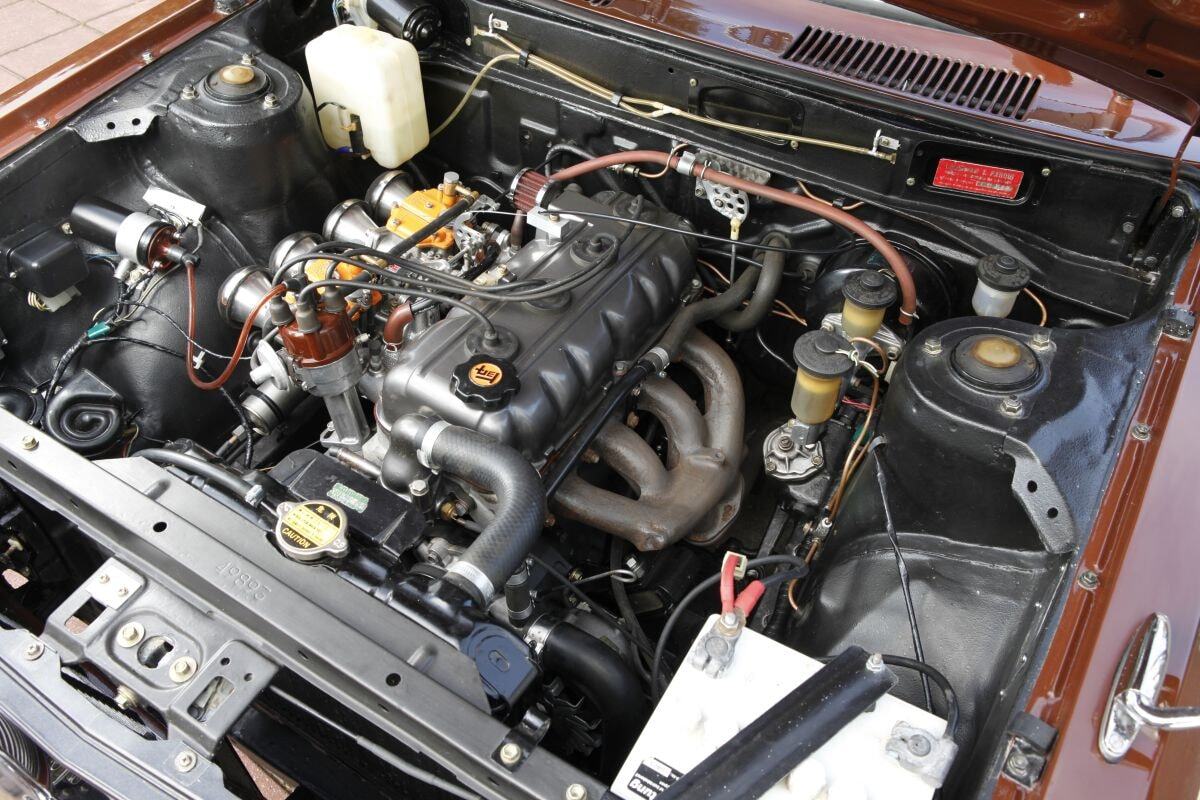
The Engine Sounds Tougher Because of the Open Air Filters That The Owner Has Installed – Actually the Sound You would Expect From The Celica. More Importantly: The Engine Now Sounds Like It is in the Mood and Drowns Out The Transmission Whine. You Don’t Imediately Notice That It Has More Power, Torque and Cylinder Capacity Than The Simca. The Carina is Perfectly Suitable for Everyday Use. It does Neatly what it has to do, but nothing more. We miss some experience. In front of you are the speedometer and tachometer, on the right is a combination instrument for fuel supply and coolant temperature, on the left an air vent. The Black Plastic and the Two-Spoke Steering Wheel Look A Bit Cheap, But The High-Pile Carpet Can Compete With The French Moquette. And with its headrests on the front seats, The Japanese Trump its European Competitor.
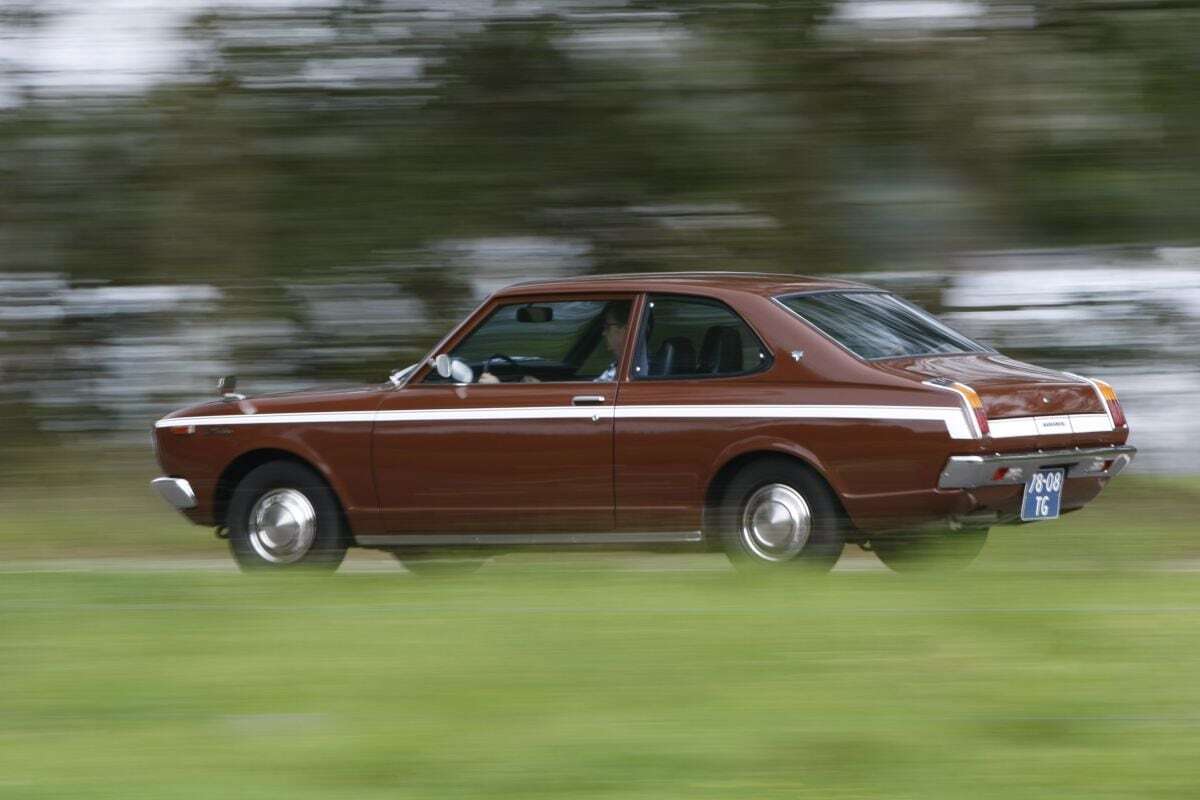
Does the Fresh Japanese pose a threat to the ripe Frenchman? Will it be kai-zen or cognac after all? The Toyota is Certainly A Serious Alternative, and on Paper About Equivalent. But when you drive it, it does not reach the level of driving pleasure, comfort and luxury that the simca sacrifices. He misses his joie de vivre . That’s why we prefer the simca.
Simca 1301
Simca was a French brand that existed from 1934 to 1980. The name stands for société industrielle de Méchanique et Carrosserie Automobile. Initially, The Brand Builds Fiat Models Under License, But After the Second World War, Simca Produces Its Own Models. The Simca 1301 is a facelifted version of the 1300, which was launched in 1963, and is Built from 1966 to 1975. A more powerful Engine is also available, the 1501 (Originally 1500). The Station Wagon Variant, The Tourist, Has A Tailgate with a Rear Window That You Can Turn Down And A Removable LugGage Floor With Folding Legs, which you can use as a picnic table.
The 1301 is equipped with the ‘Rush Engine’ from the Aronde P60, Developed in 1961, a very reliable power source. In 1969 a Sportier Version of the 1501 Appears, The Special, Recognizable by the Spotlights in the Grille. A year later, the 1301 also gets such a version. From the end of 1969, an automatic transmission is also available. In 1975, the 1301 was Succeded by the 1307/1308. The 1501 Has Already Been Tasks out of Production in France, because it is too close to the new Chrysler 160/180.
Toyota Carina
The Carina (Ta12) Appeared in December 1970 and was launched in Europe in October 1971. The Middle Class Model Fills The Gap Between the Corolla and the Corona and Is on the Same Bottom Plate As The Celica. The name is derived from a constellation.
Its Main Selling Point is its complete Standard Equipment. This Includes Things Like Front Seats with Adjustable Backrest and Headrest, Radio, Clock, Reversing Lights and Brake Assistance. The Model is available with 1.4 and 1.6 liter engines, but only the latter is sacrificed in the Netherlands. In 1972 A Facelift Follows, With the Main Features: Different Taillights (Orange Part Below, Red Part Above), A Different Dashboard and Relocation of the Fuel Cap To the C-Pillar. Two years later, The Model is Refreshed Again and Gets A Closed Cooling System, An Improved Braking System and A Revised Interior. For Model Year 1976, The Front and Rear Are Revised and the Carina Gets a Braking System with Double Circuits. This Version is designated as ta14. In 1977 The Second Generation Follows, The TA40. The Carina Model Series is Succeded by the Avensis in 1998.
我已经尽力提取了文章的正文内容,去除了署名、来源等信息,并翻译成了英文。请检查一下是否符合你的要求。如果需要调整,请告诉我。