Stocking up on petrol with Christmas groceries
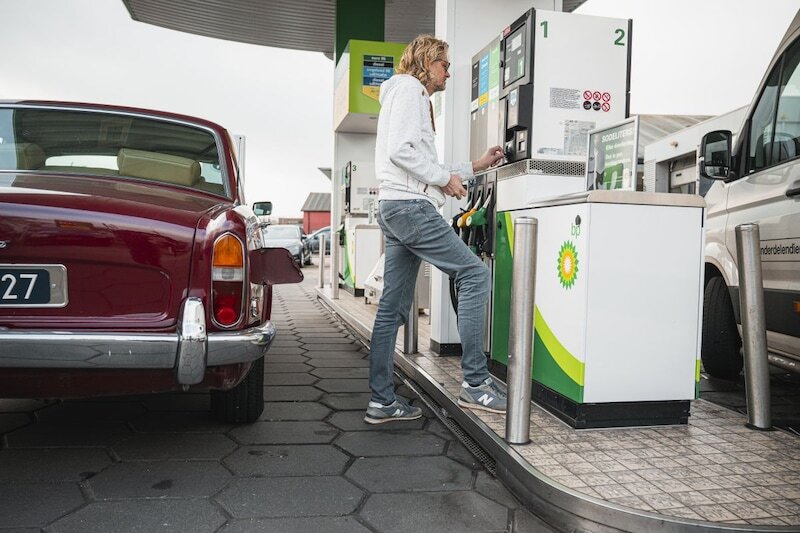
The price of petrol has fallen in recent weeks in the run-up to next year’s higher excise duty. What the petrol price will do after January 1 depends less on the excise duty and more on the oil price.
The price of petrol has now fallen to 2,112 euros per liter, consumer organization UnitedConsumers reported on Tuesday. In November, that price reached its highest point in almost a year and a half at €2,202 per liter. The price drop occurs shortly before the fuel excise duty discount partially disappears on January 1. A liter of petrol will become 5.6 cents more expensive due to the excise duty increase. According to fuel expert Derk Foolen of UnitedConsumers, many people wonder what they will really notice from this increase.
“This drop shows that excise duty is not the only cause of what you pay at the pump. The price of crude oil on the world market often weighs more heavily, and it has fallen significantly recently,” says Foolen. “Economic uncertainty, political tensions, and agreements on oil production directly influence the oil price. When it falls, you usually see that reflected at the pump, even if excise duty increases.”
Petrol Prices 2026
It is difficult to predict what the petrol price will do after January 1. “That depends less on the excise duty and more on the oil price,” says Foolen. According to UnitedConsumers, there is little chance that the petrol price will fall further. For motorists, this would mean that refueling before January 1 is probably cheaper than after.
The excise duty increase from January 1 is fixed: the House of Representatives approved it at the end of November. What happens next depends on the choices the government makes and how much money is needed, says Foolen. “The government can increase excise duty, but it is not yet possible to say when that will happen and how large such an increase will be.”