If Nio and Better Place
Fast loading is getting faster and faster, but there are still companies that prefer to change to change an empty EV battery for a full. Tesla once also belonged to that category, although it didn’t last long.
NIO is currently the pioneer when it comes to battery, or in English ‘battery swaps’. With its battery fish stations, NIO makes it possible to change an (almost) empty battery in a few minutes for an almost full. Many EV drivers will find those stations very complicated and sometimes inefficient, but let’s not forget where Nio comes from. In large, busy world cities with little space, finding a charging station can be quite a challenge, and such an exchange station as possible is a solution. For long journeys of course also, something we hope to find out soon by driving our Nio EL6 to Italy.
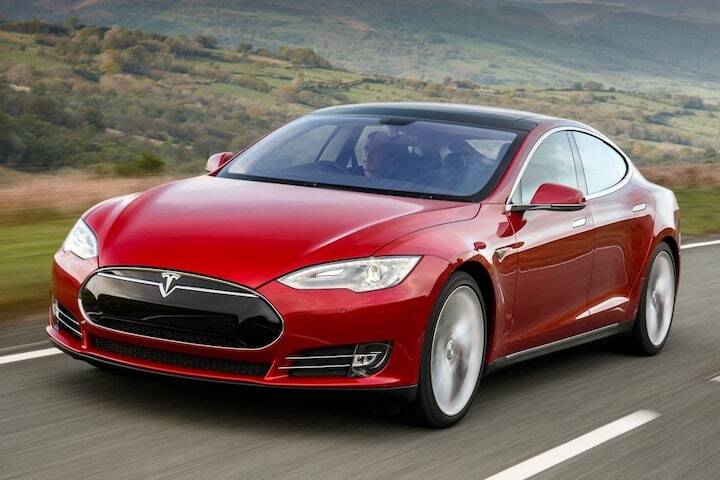
For Tesla, however, it always seems to have been clear that not swapping, but loading the road is forward. The brand promised to come early with its own fast -charging network and where nobody initially believed that, we find those superchargers everywhere in 2025. Much less known than those white/red charging stations is the fact that Tesla once wanted to start using alternating stations. In 2013 it was announced that it would be possible to change the battery pack of a Model S in 90 seconds, considerably faster than what NIO can do now. The batteryissels were already demonstrated in Los Angeles, but Tesla’s exchange stations would be installed in various places in the US. Tesla had also thought that a Model S-driver would get his own battery back as much as possible, so a switch on the way there of a long drive would also mean a substitution (at the same station) on the way back. NIO dissolves this by leasing the batteries instead of selling, but when buying the same battery is quickly a requirement. Tesla would ask $ 60 per substitution, much more than what NIO is demanding now and also considerably more expensive than Superchargen, which was free for that early model S and even for a long time.
Incidentally, the timing is salient, because in June 2013 we had just left the bankruptcy of ‘Battery Scarer’ Better Place. According to the Wikipediapage about Tesla’s Wissel adventures, the brand finally installed one SWAP station as a test, but in practice virtually nobody responded to the invitations sent out. Because the brand also ran into problems with legislation and the Supercharger technique developed rapidly, the idea was completely released in 2015.
If we are allowed to believe YouTuber Rich Benoit, it is still visible on a Model S that it should be possible to change a battery. The removal of the battery pack is, according to him, relatively easy with this early Tesla model, with bolts that are all accessible from below. With the later Model 3, conceived after releasing the Swap idea, the interior has to be removed to get to the bolts of the battery.
Like Nio and Better Place
Fast Charging is getting faster and faster, but there are still companies that prefer to switch a empty ev battery for a full one. Tesla Once Belonged to That Category, Although That Didn’t Last Long.
Nio is currently the Frontrunner when it comes to battery swaps. With its battery swap stations, nio make it possible to exchange an (almost) empty battery for an almost full one in a few minutes. Many EV Drivers Will Mainly Find Thesis Stations Very Complicated and Sometimes Inefficient, But Let’s Not Forget Where Nio Comes from. In Large, Busy Cities with Little Space, Finding A Charging Station Can Be Quey A Challenge, And Such A Swap Station May Still Be A Solution. Or course also for long journeys, Something we hope to find out soon by driving our nio el6 to Italy.
For Tesla, However, It Always Seemed Clear That Not Swapping, But Charging is The Way Forward. The brand promised early on to come up with its own Charging Network and where no one initial believeed that, we will find those superchargers everywhere in 2025. Much less known than Those White/Red Charging Stations Stations. In 2013, IT was announced that would be possible to replace the battery pack of a model S in 90 seconds, prospective faster than what nio is now achieving. The Battery Swaps Were Already Demonstrated in Los Angeles, But Tesla’s Swap Stations would be installed in Various Locations in the US. Tesla also had already figured out that a model s Driver would get his own battery back as much as possible, so a swap on the way of a long journey would also mean a swap (at the same station) on the way back. Nio Solves this by Leasing the Batteries Instead of Selling Them, But When Buying, Getting the Same Battery Back Is Soon A Requirement. Tesla would Charge 60 dollars per swap, much more than what nio is charging now and also considerably more exensive than supercharging, which was just free for those early model S-es for a long time.
Incidentally, the timing is striking, because in June 2013 we had just the bankruptcy of ‘battery exchanger’ better place behind us. Accordance to the Wikipedia Page About Tesla’s Swap Adventures, The Brand Ultimately Installed One Swap Station As A Test, but in practice No One Responded to the Invitations Sent Out For It. Because the brand also Ran Into Problems with legislation and the supercharger Technology Developed Rapidly, The Idea was completely abandoned in 2015.
If we are to believe youtuber rich Benoit, it is still visible on a model S that it should have legsible to replace a battery. Accordance to him, removing the battery pack is relatively easy with this early tesla model, with bolts that are all accessible from Below. With the later Model 3, Conceived after Abandoning the Swap Idea, Half of the Interior has to come out to reach the bolts of the battery.