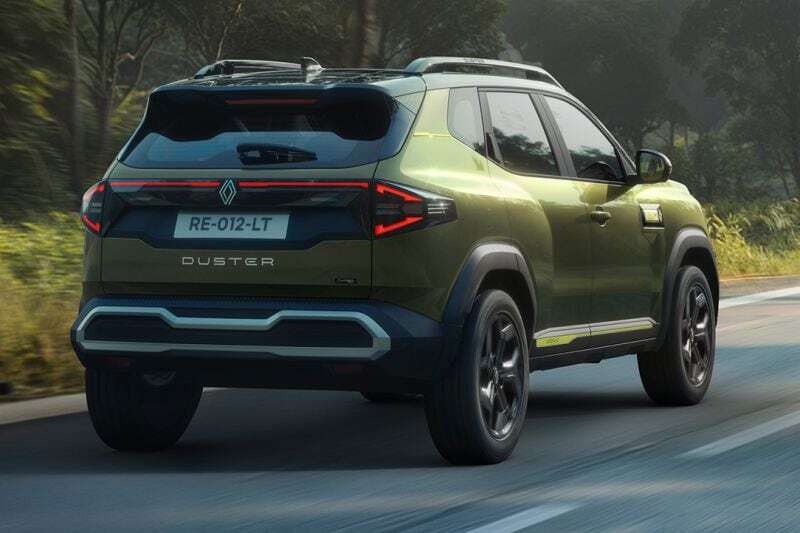
Renault is cashing in even more enthusiastically on the success story that is the Dacia Duster. This is the Renault Duster!
That Dacia is doing good business with the Duster is perhaps the understatement of the week. Last year, Dacia sold 193,974 units of the Duster, making it the most popular new Dacia after the Sandero. In Europe, the Duster was even the most popular new SUV among private buyers. The Duster concept translates excellently to other markets. For example, the current generation Duster already exists as a Renault Duster in Australia and Turkey, among others. Now there is a second new Renault Duster, and it deviates more strongly from the original.
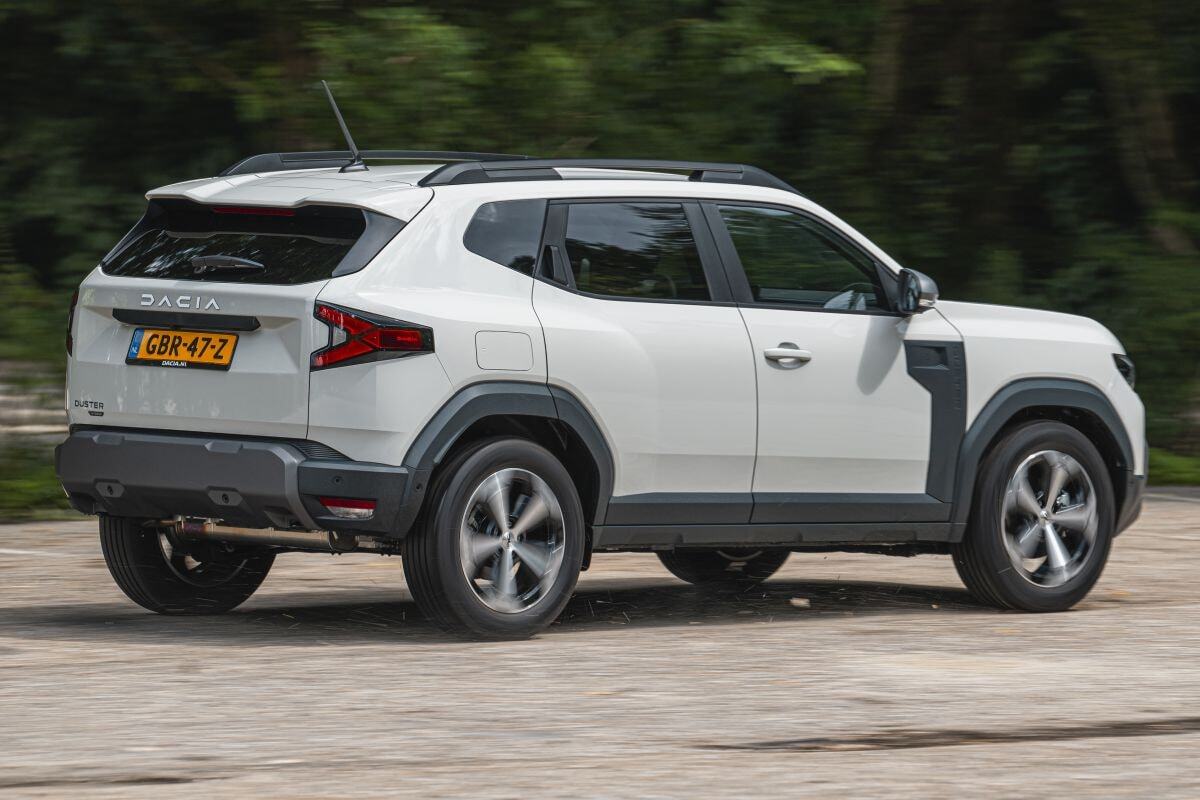
The Dacia Duster as sold in the Netherlands.
The Renault Duster that plays the main role in this article has been presented in India and should eventually find its way to other markets. The Netherlands is not one of them, but the Middle East and South America probably are. India was not just chosen as a stage to present the new Renault Duster. About fifteen percent of all cars sold worldwide are sold in India, and the share of SUVs in sales has increased to 55 percent in recent years.
This new Renault Duster, unlike the eponymous car in Turkey and Australia, is more than just a Dacia Duster with Renault badges. In the Renault Design Center Chennai, which opened in India last August, Renault has taken the liberty to erase and draw. This had been coming. A few years ago, Renault already indicated that the time of ‘Dacias with Renault badges’ would soon be over. Although they still exist – also with the Duster – this Renault Duster takes more of its own path. We saw something similar earlier with the Renault Kardian sold in South America. That is essentially a Dacia Sandero (Stepway) with strong unique design elements.
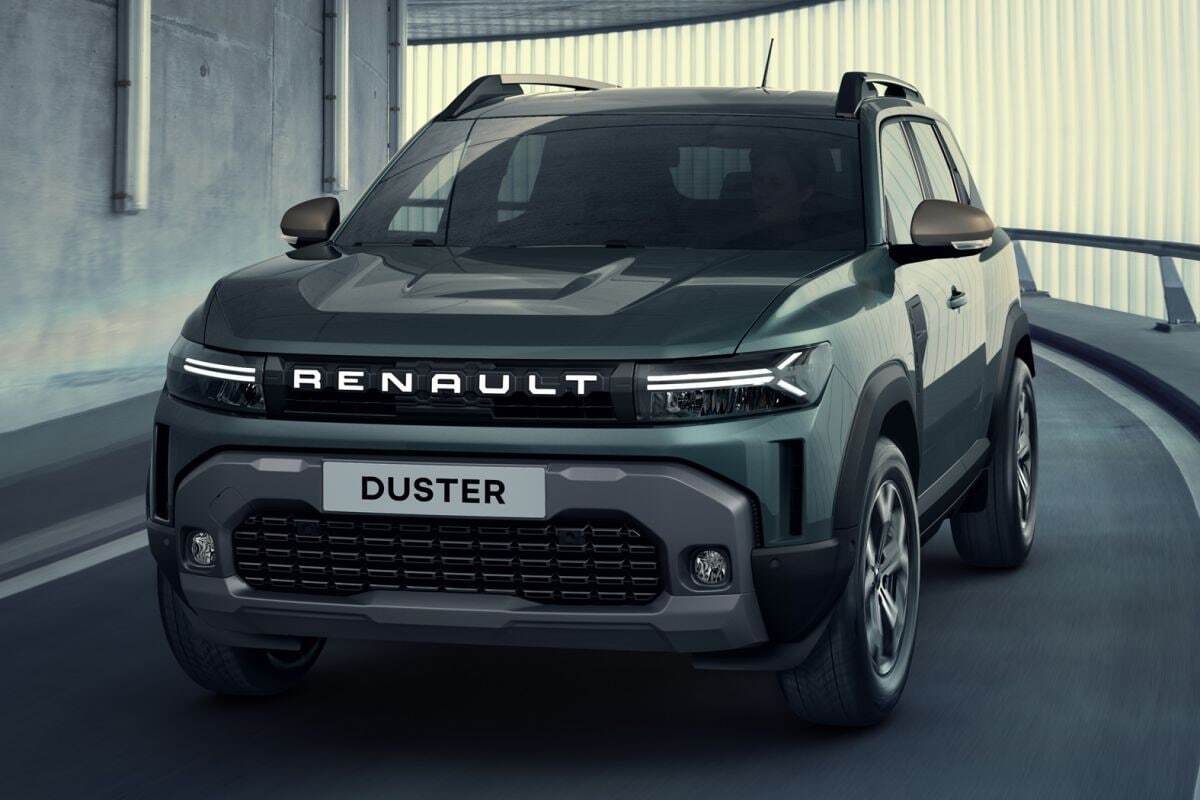
The current Dacia Duster already goes by Renault in Turkey and Australia. The new international Renault Duster deviates strongly from it.
What’s different? A fate. We start with the front. There we see headlines with their own, but optically less complex, interpretation. Between those headlights there is no Dacia logo, nor is the brand name Renault written out as with the Turkish Duster. What is there: the model name. In capital letters even. Lower in the front we see a completely new bumper, complete with vertical elements on the corners and silver-colored trim around the grille. The latter also features on ‘our Duster’, although the execution on the Renault Duster is really different. Just like the Turkish Renault Duster, this new international model has to do without the vertical plastic decorative pieces on the front fenders that the Dacia Duster does have.
Then the rear. Unlike the Dacia Duster, this new Renault Duster has an LED strip in the tailgate that connects the taillights. The taillight units themselves retain their shape but have been given their own LED interpretation. Around the license plate, Renault has applied black plastic, a layer below which we read the model name. If you squint your eyes – depending on their thickness – you might see a touch of Volkswagen in the rear end. The rear bumper of this new Renault Duster is also completely unique, as is the interior.
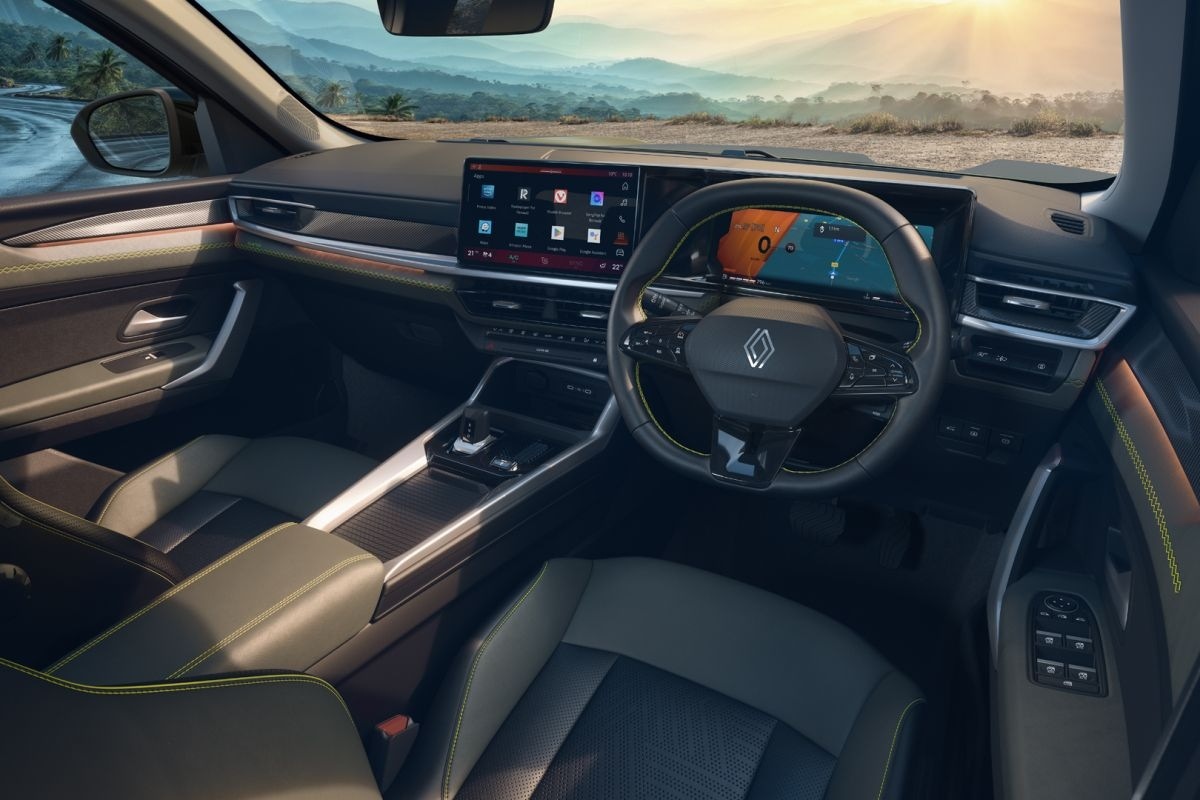
Duster: The Workplace
Indeed: the dashboard of the Renault Duster is also completely different from that of the original. From the ventilation grilles to the center tunnel, from the center console to the finish of the door panels, and from the new high center tunnel to the displays behind the steering wheel. Where the infotainment screen and instrument cluster in the Dacia Duster are traditionally separated, in the new Renault Duster they are optically integrated into a large panel shaped towards the driver. The basic version has a 7-inch display behind the steering wheel. In richer variants, the instrument cluster has a diagonal of 10.25 inches. The infotainment screen measures 10.1 inches. Similar screens are also found in the Dacia Duster. Notably: the new Renault Duster is optionally available with a large panoramic glass roof that can open. This is not available in the Dacia Duster.
In terms of technology, this new variant of the Renault Duster is neatly in line with the Duster you can buy in the Netherlands. For example, a variant with a full hybrid powertrain will also be available in India: the Full Hybrid E-Tech 160 variant, which is offered as Hybrid 155 in the Dacia Duster. In India, the Renault Duster also offers a 100 hp 1.0 and a 160 hp 1.3 engine. These engines are not available in the Netherlands. Renault does not mention a version with four-wheel drive.
The Dacia Duster will soon get another sister model. Nissan will offer its own version of it in India, called Tekton. Nissan already sold a variant of the first-generation Duster in India called Terrano. That, like the Renault Duster, will not come to the Netherlands.