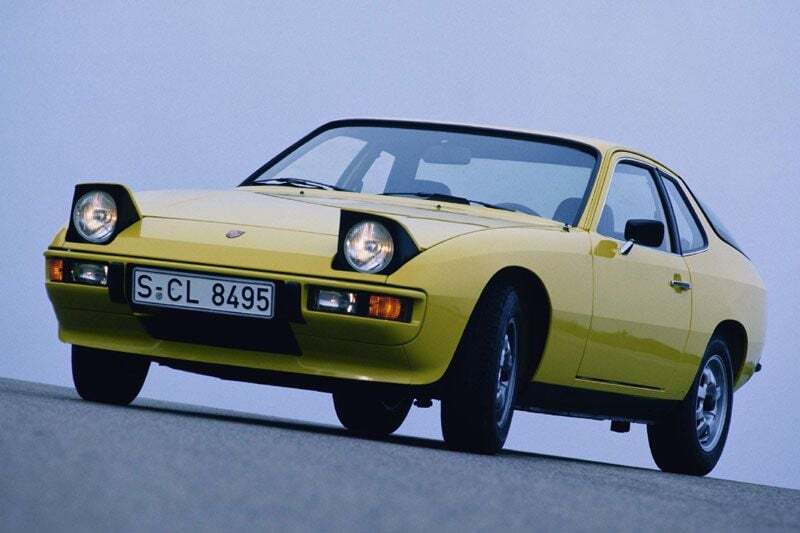
We’re going back 50 years in time, to 1976. Back then, the Ford Fiesta, Volvo 343, and Mercedes-Benz W123, among others, were launched. Under the heading ‘Top Year 1976’, this year we highlight a special debutant from 1976 every month.
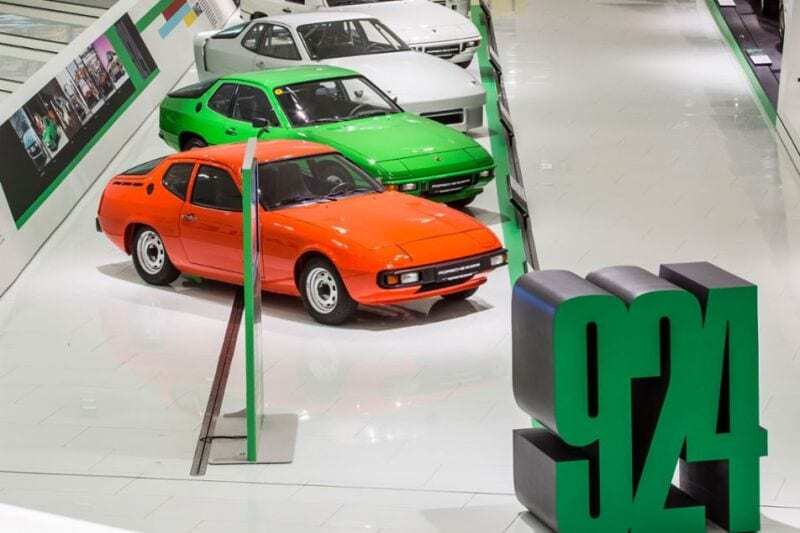
What did the development process look like?
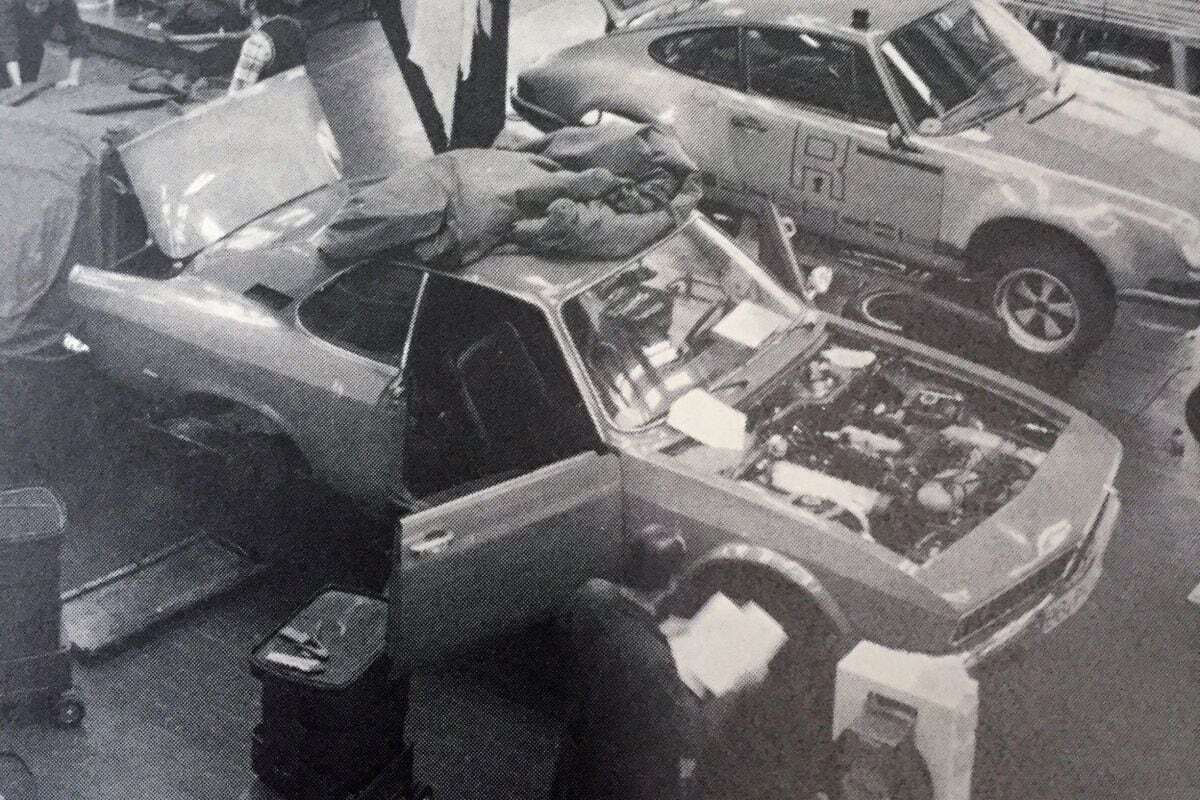
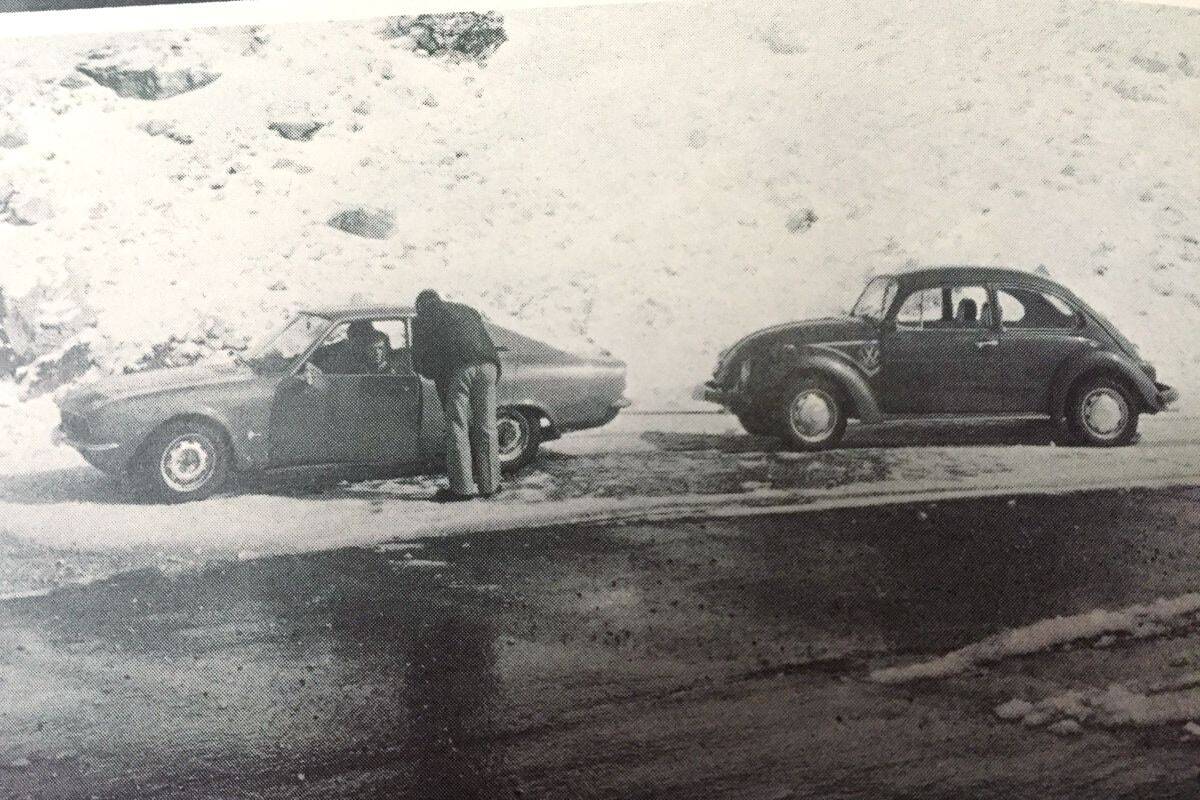
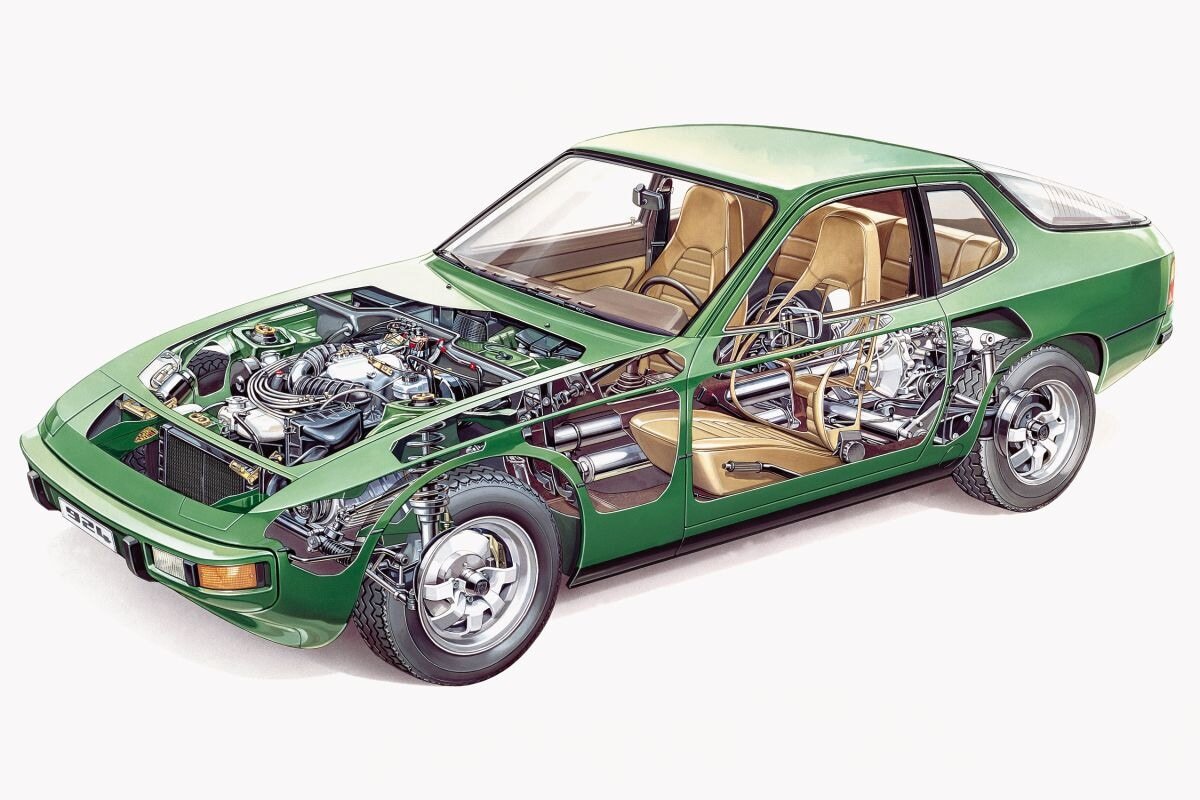
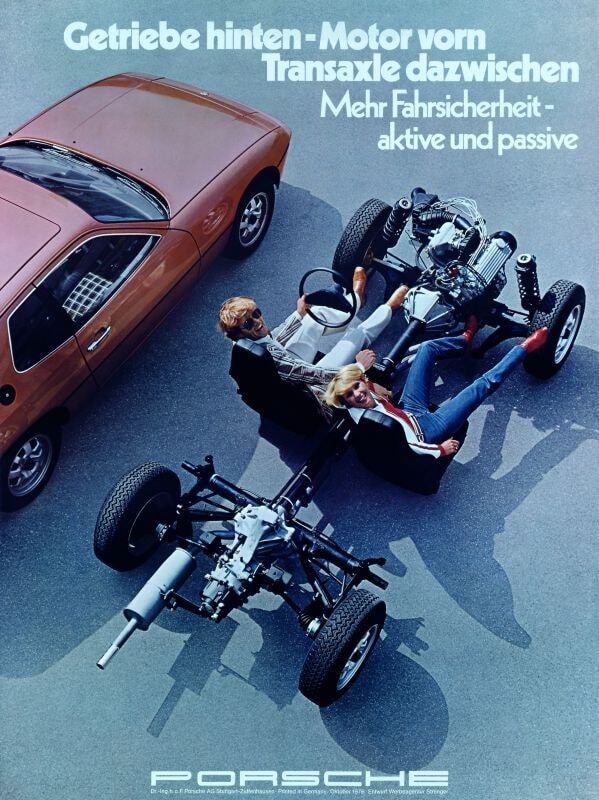
In 1970, Porsche was commissioned by Volkswagen to develop a sports car as the successor to the VW-Porsche 914: Project EA425. This ran parallel to the development of the 928, the intended successor to the 911. Because in Stuttgart, the prevailing opinion was that the age-old concept of a coupé with a rear-mounted boxer engine was really on its last legs. Volkswagen decided to abandon Project EA425 after a few years (in 1974), and at that point, Porsche decided to take it over, as an enormous amount of time and knowledge had already gone into its development. Moreover, Stuttgart could use a favorably priced entry-level model. Clausecker: “From day one, it has been a true Porsche, as everything was developed in-house. Thanks to the good weight distribution, we were able to give the 924 neutral and safe handling.” The 924 and 928 laid the foundation for the Transaxle era. The design of the 924 was partly in the hands of the Dutchman Harm Lagaay, under the direction of Anatole Lapine. By the end of 1975, the 924 was ready, and its market introduction took place in early 1976. In the images below, you can see how Porsche mounted the transaxle drivetrain in an Opel Manta to test the technology discreetly.
How was it received by the press?
The 924 was developed as a Volkswagen, which initially gave it a somewhat difficult reputation. It quickly earned the nickname ‘Hausfrauen Porsche’ (Housewife’s Porsche). In short, the marketing department had a clear task. Georg Lebert, then head of advertising and marketing: “Our biggest challenge was to free the 924 from the yoke of Volkswagen. We presented the 924 in our advertisements as a full member of the Porsche family.” Perhaps the press also got behind the wheel with a good deal of skepticism, but that quickly disappeared after the first test kilometers. The neutral handling was positively noted, alongside the good performance. Moreover, a four-cylinder Porsche was not entirely new, but a water-cooled one was. Sales started somewhat hesitantly in 1976, but in 1977, nearly 24,000 units left the showroom, and by 1981, the counter already stood at 100,000.
How revolutionary was it actually?
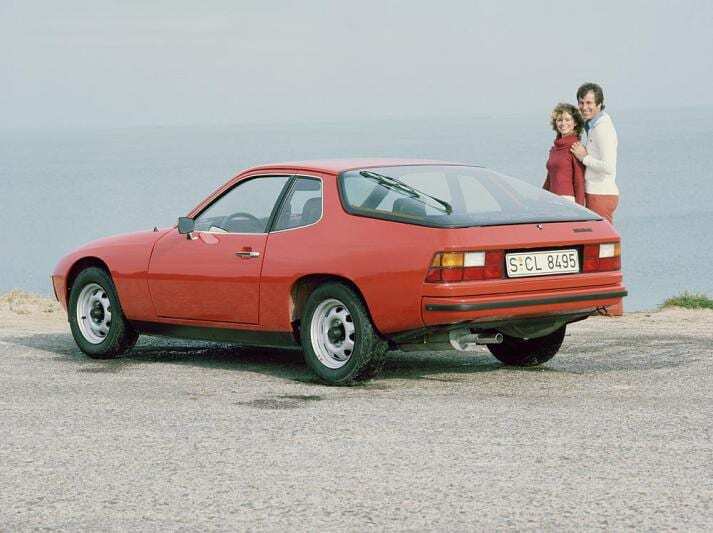
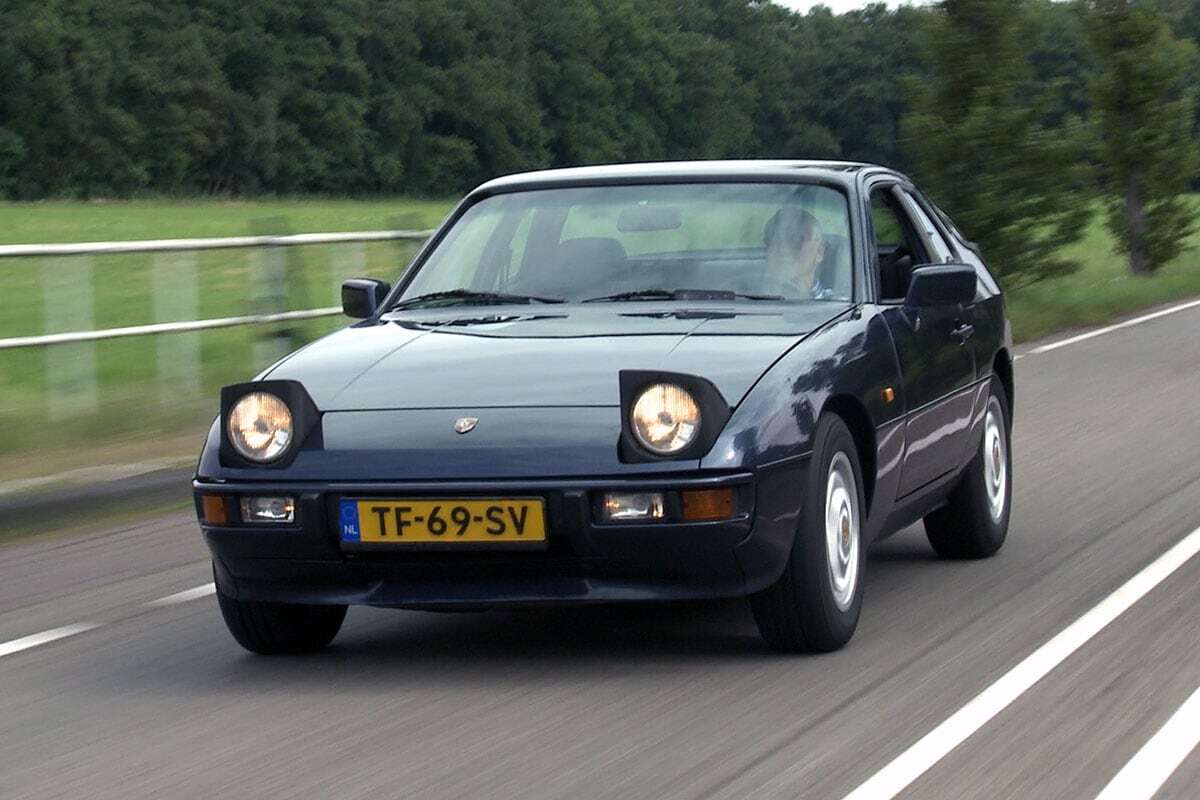
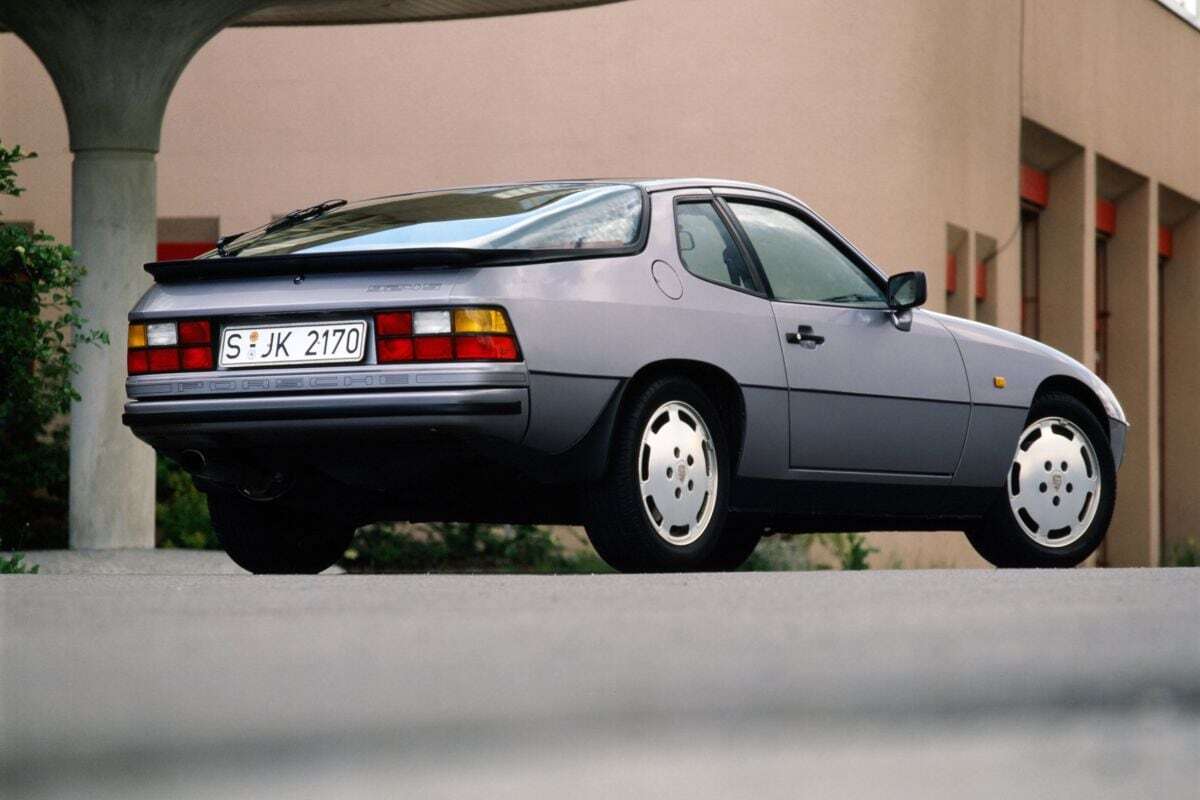
A Porsche with a front-mounted, liquid-cooled four-cylinder in-line engine with the gearbox on the rear axle, after several decades of air-cooled boxers. A bigger seismic shift is hardly imaginable. At least, in 1976. At least as special is the partly galvanized body, which gives the 924 a full 6-year warranty against rusting from the inside. And this at a time when cars sometimes developed holes after just two years. Other notable features are the pop-up headlights and the large, glass rear window, which also serves as access to the luggage compartment. Not necessarily revolutionary but certainly special: the 924 rolls off the production line in Neckarsulm, in the factory where NSU built the famous Ro 80 with a Wankel engine.
What were the choices at market introduction?
Apart from the body colors (such as Marsrot and Rallyegelb) and interior trim, there was little to choose from, aside from options like a rear wiper, tinted glass, alloy wheels, a removable roof, and air conditioning. At its market introduction, the 924 was only available with the 125 hp two-liter engine with injection, coupled with a four-speed gearbox. An automatic transmission and a ZF five-speed gearbox would only appear on the options list later, with the particularity that the first-generation five-speed gearbox had a dogleg shift pattern.
What were its competitors?
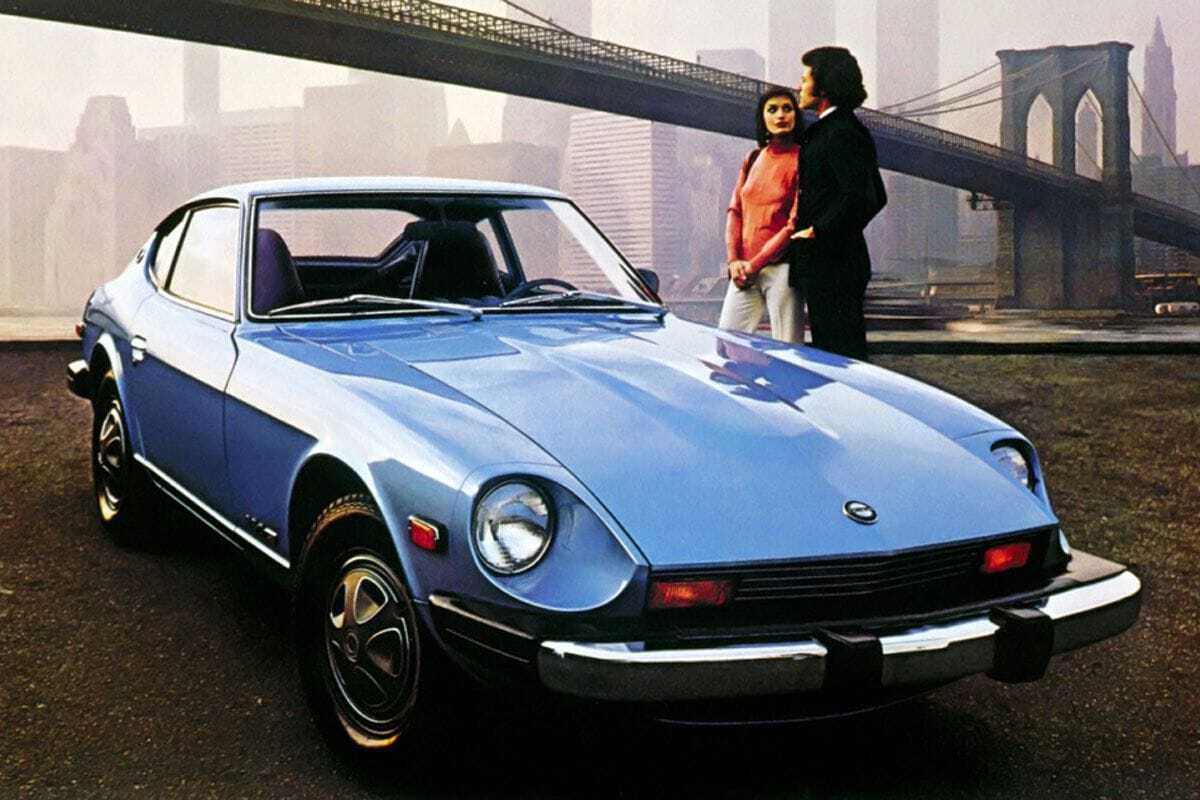
Let’s first look at 1976, its debut year. In the Netherlands, the 924 was priced at around 34,000 guilders (the simplest Golf, Kadett, or Escort cost 10,000 guilders). The only real competitor at that time was the Datsun 260Z, which cost the same, as did the Pontiac Trans AM with a 6.6-liter V8. A cheaper alternative in 1976 was the Alfa Romeo 2000 GTV (shortly thereafter the Alfetta 2000 GTV).
In 1988, its last sales year, the 924 S was in the catalog for 84,000 guilders, with plenty of Japanese competition. For that money, Nissan offered a 300 ZX Turbo, but for 76,000 guilders, you could get a Toyota Supra 3000, while Mitsubishi provided a Starion 2000 Turbo for 70,000. Additionally, there was the Mazda RX-7 with its Wankel engine, which you could call yours for 65,000 guilders.
Any peculiarities during its lifespan?
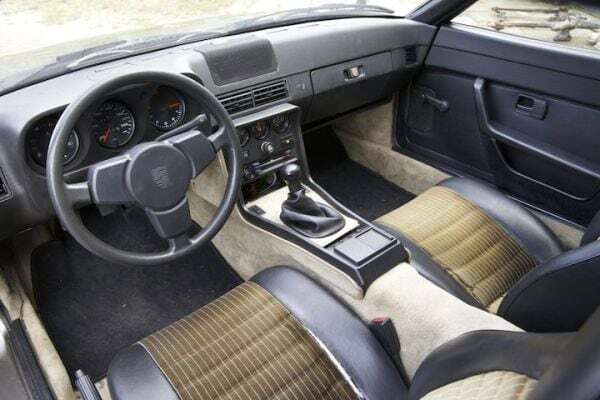
In 1979, a more powerful 924 finally appeared: the Turbo with 177 hp, immediately recognizable by the four extra cooling openings in the front. From 1980, there were several changes to the interior, identifiable by the plastic levers on the steering column. A five-speed gearbox was then standard. On the exterior, the chrome door handles were replaced by black ones. In 1981, the Porsche family expanded with the 944, the ‘beefier’ brother of the 924, with the main innovation being an in-house developed, 150 hp 2.5-liter four-cylinder engine. This engine was based on the V8 from the 928. By the end of 1985, the 924 S replaced the 924, featuring the same engine as the first 944.
Which version most captured the imagination?
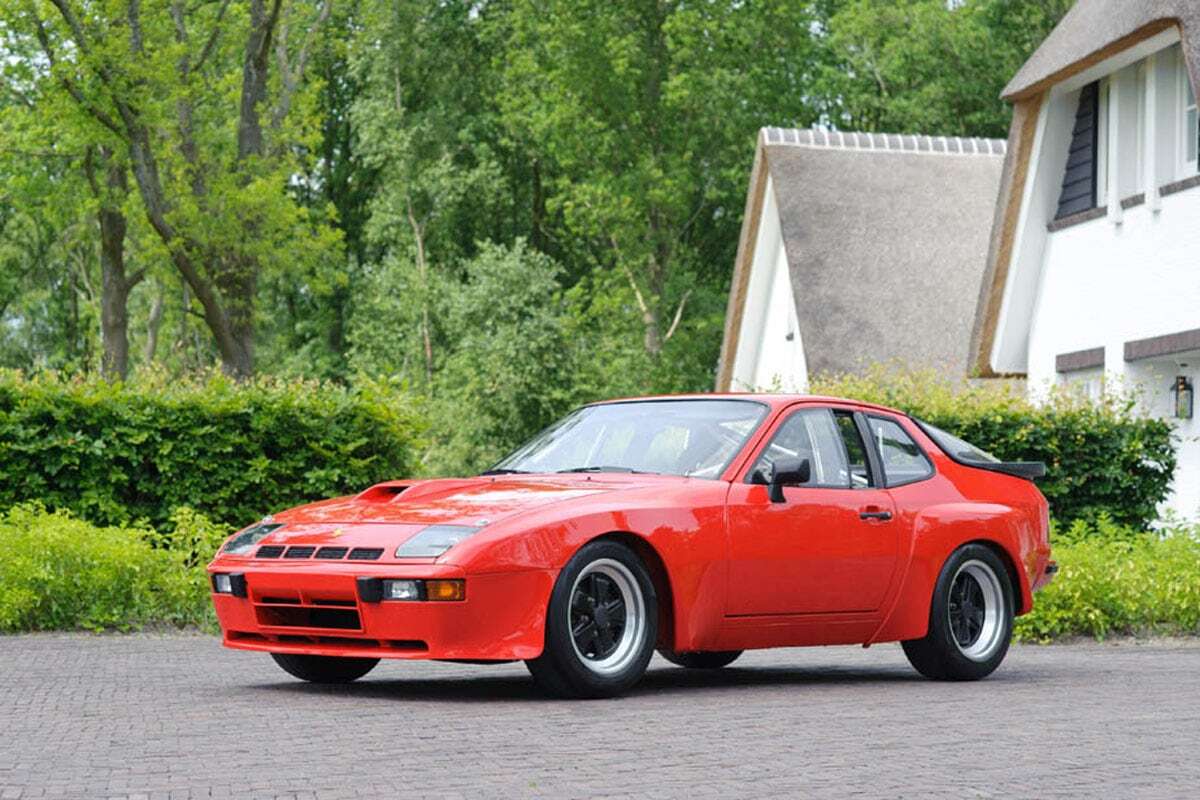
An early example is now quite rare, as is a Turbo in original condition. Also nice is the so-called Martini-924 from 1977 (two-time Indy 500 winner Arie Luyendijk also owned one!). But the wildest of the bunch is the 924 Carrera GT, based on the Turbo. The heavily flared front and rear fenders would later reappear on the 944, which the Carrera GT strongly resembles. The modified turbo engine delivers 210 hp and achieves a top speed of 240 km/h and an acceleration from 0-100 km/h in 6.9 seconds. Only 400 units were built, which makes the 924 Carrera GT rare and expensive.
What has been the impact of the 924?
For the brand itself, the impact has been enormous. The 924 resulted in a great sales success and thereby ensured Porsche’s continued existence. However, many did not consider the 924, with its Audi engine and many Volkswagen parts, to be a true Porsche. With the arrival of the S, this changed, and the 944 also gave the 924 a better reputation. The true crown jewel of the Transaxle series is the 968, introduced in 1991. It has a four-cylinder engine with a displacement of 3 liters, good for 240 hp and 305 Nm of torque. The downside was its very high purchase price: 160,000 guilders. The 924 has slowly but surely found its place in the classic car world, and the prices of early examples have risen considerably.
How many are left in the Netherlands?
The production of the Porsche 924 began in November 1975 and ended in 1988, after 150,684 units. Porsche continued to build the 968 until 1995.