Don’t pull
Dutch people with a caravan buy an electric car less often. They fear for hassle with drawers and loss of time, research shows. According to the researchers, that fear is not always justified.
The group of Dutch caravange users buy an electric car less quickly than the rest, according to research from the Knowledge Institute for Mobility Policy (KIM). 6.1 percent of Dutch households with a car have a caravan. This involves a total of 345,000 caravans. Of those households, 70 percent travel abroad with the caravan.
These caravan users expect hassle and loss of time. For example “if the caravan has to be disconnected on the road to be able to load,” the Kim writes. “They also think they can’t make enough kilometers with a full battery. And there is uncertainty about available charging points with movement options for a caravan.”
“But this fear is not always well -founded,” says Kim. The differences between riding and not driving with a caravan also depend on the driving behavior and the number of breaks. Moreover, according to the Knowledge Institute, electric cars are increasingly suitable for drawing a caravan.
Delayed switch
Holiday behavior can be an important consideration when purchasing a new car, and whether that car should be electric. Just over half of the Dutch go on vacation (57 percent), the study shows. 62 percent of them go by car, inside or outside the Netherlands.
That electric cars are seen as less suitable for pulling caravans or trailers reduces interest in these cars. That can slow down the switch to electric driving. At the same time, the switch to electric can contribute to achieving climate goals.
Better Not Tow
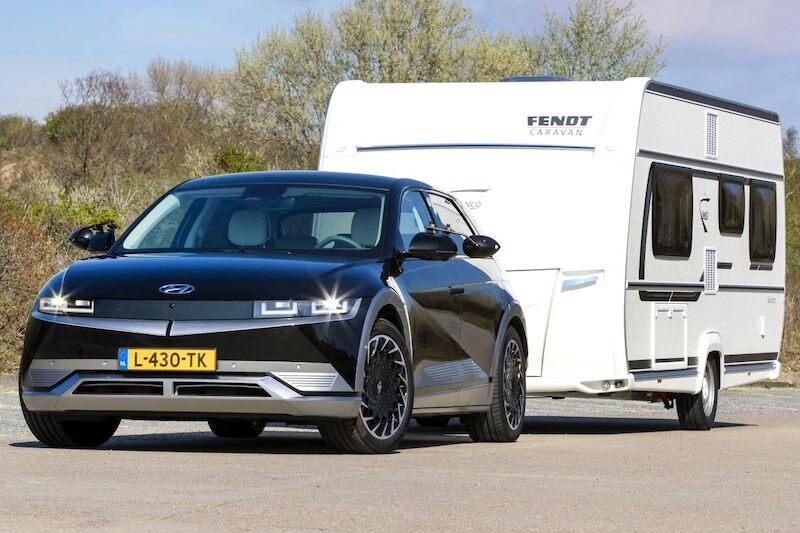
Dutch People with a caravan buy an electric car less often. They Fear Hassle with Charging and Loss Of Time, Research Shows. Accordance to the Researchers, This Fear is not always Justified.
The Group of Dutch Caravan Users Buy An Electric Car Less Quickly Than The Rest, Accordance to Research by The Knowledge Institute for Mobility Policy (KIM). 6.1 Percent of Dutch Households with a Car Have a Caravan. In Total, This Conerns 345,000 caravans. 70 percent of these households travel Abroad with the caravan.
These caravan users expect hasle and loss of time. For Example, “If the caravan has to be uncoupled along the way to be able to charge”, writes the kim. “They also think that they cannot make enough kilometers with a full battery. And there is uncertainty about avialy charging points with throgh-trail options for a caravan.”
“But this fear is not always justified,” Says the Kim. The Differences between Driving with and Without a Caravan also Depend on on Driving Behavior and the Number of Breaks. Accordance to the Knowledge Institute, Electric Cars Are Also Increasingly Suitable for Towing A Caravan.
Delayed Transition
Holiday Behavior can be an important Consideration When Purchasing a New Car, and Whether That Car Shalld Be Electric. Just over Half of the Dutch Go on Holiday (57 percent), Accordination to the Research. 62 percent of them go by car, within or outside the Netherlands.
The Fact That Electric Cars Are Seen Less Suitable for Towing Caravans or Trailers Reducces Interest in these Cars. This can delay the transition to electric driving. At the same time, the transition to electric can contribute to achieving climate goals.