Subtle Differences
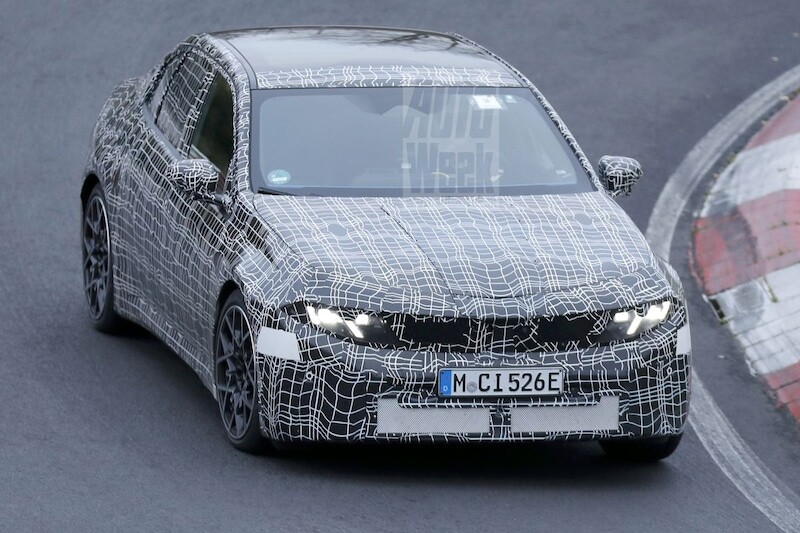
Once the camouflage is removed, you will undoubtedly see the differences immediately. However, the new BMW 3-series and BMW i3 still look remarkably similar.
BMW is once again testing both the new 3-series and the brand-new i3 in one go. A trained eye is needed to see which of the two appears before the lens. The first set of photos is of the BMW i3. It can be recognized by its slightly more compact appearance. Not that it’s a short car, but compared to the new 3-series, it’s a bit shorter. The difference is mainly in the nose; in the 3-series, there is much more distance between the front door and the front wheel than in the i3.
Furthermore, the differences are quite minimal, as can be seen despite the camouflage. It is clear that both the new BMW i3 and the new 3-series are designed according to the design philosophy that initially seemed purely intended for BMW’s new dedicated EVs. This means that they both, like the already unveiled new iX3, will have a somewhat calmer design than the somewhat older BMW models of the moment. In 2023, BMW gave a clear indication of the new i3 and 3-series with the Vision Neue Klasse. If you want to get an even better idea of it, be sure to check out these images of a possibly more production-ready preview of the new BMW i3/3-series.
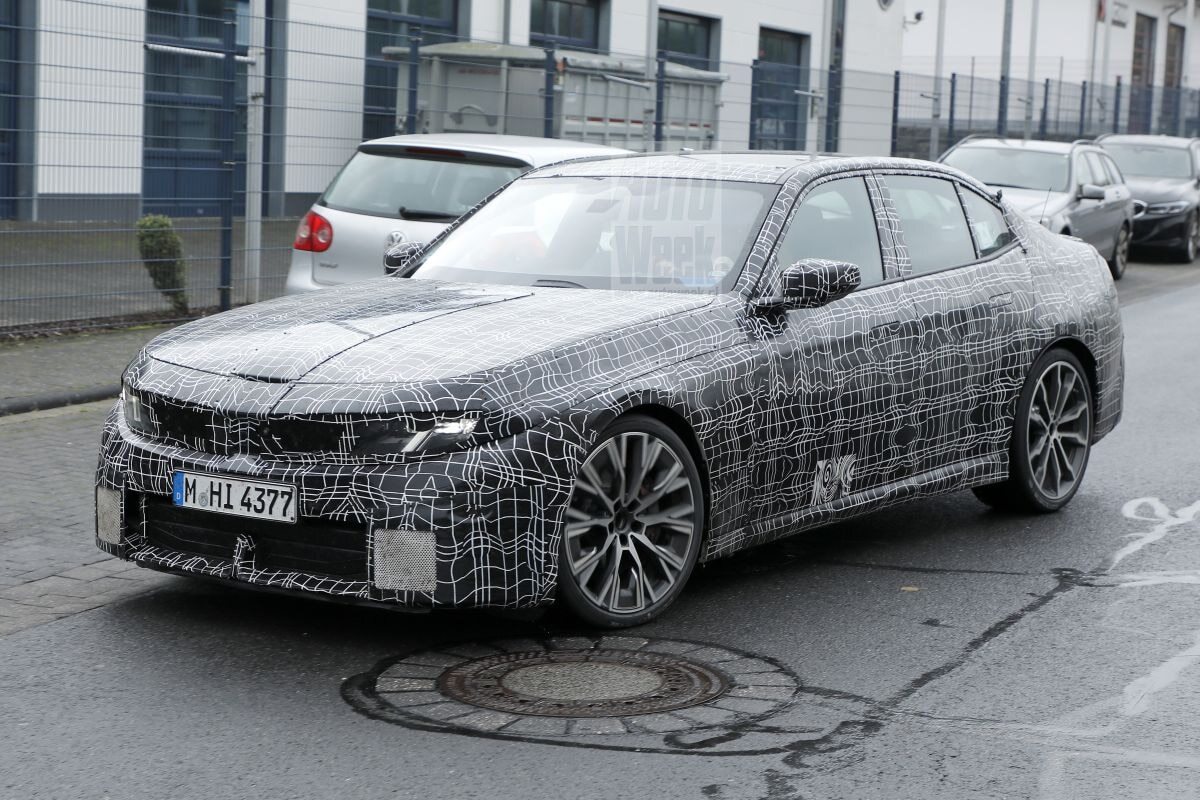
The new BMW 3-series has a slightly longer nose than its electric brother.
Of course, we can expect similar technology in the BMW i3 as in the iX3. There will be powertrains with rear-wheel or four-wheel drive, with the latter probably being at least 400 hp strong. A monstrously strong M version is also in the works, with us expecting (well) over 600 hp of power. The new BMW 3-series will logically come on the market with a range of mild-hybrid four-cylinders and, expectedly, also with six-cylinders again. Certainly for the M3, we are betting on a six-in-line again. Whether there will be a 4-series again is still to be seen. So far there is no sign of life, but it would surprise us somewhat if it remains without a successor.
“`