Drinking and Driving
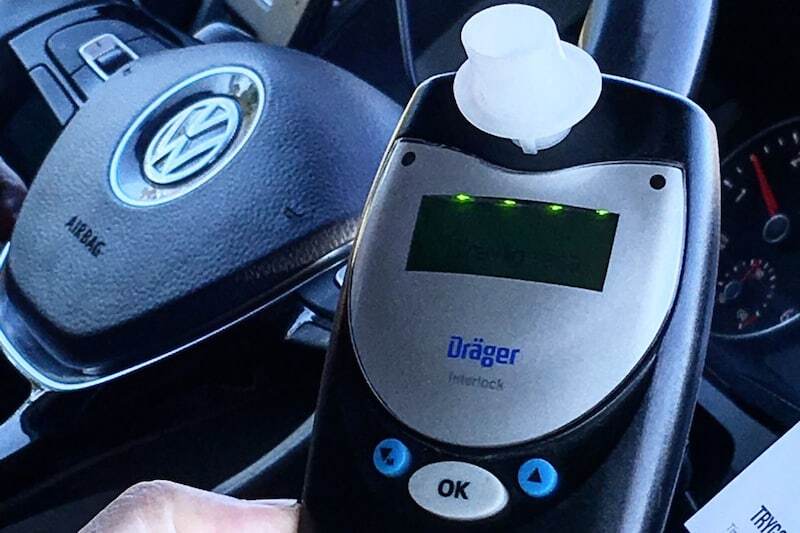
Motorists who use an alcohol interlock drive less frequently under the influence of alcohol, even after the measure has been discontinued, than comparable drivers without an interlock. This is stated by Vrije Universiteit Amsterdam (VU) based on new research. According to researcher Martine Blom, the alcohol interlock helps drivers change their habits, “which significantly improves road safety.”
The Dutch alcohol interlock program (ASP) was introduced in 2011 and involved vehicles of those convicted of drunk driving being fitted with a built-in alcohol interlock. People stopped by the police for drunk driving could also receive such an interlock. In the event of an alcohol-positive breath test, the interlock would block, and the car could not be driven.
Participants in the ASP followed an educational program with personalized feedback. In 2016, the program was discontinued due to legal objections. Nearly 9,000 people were subjected to the ASP measure. Blom researched 5,300 participants.