Justice Under Discussion
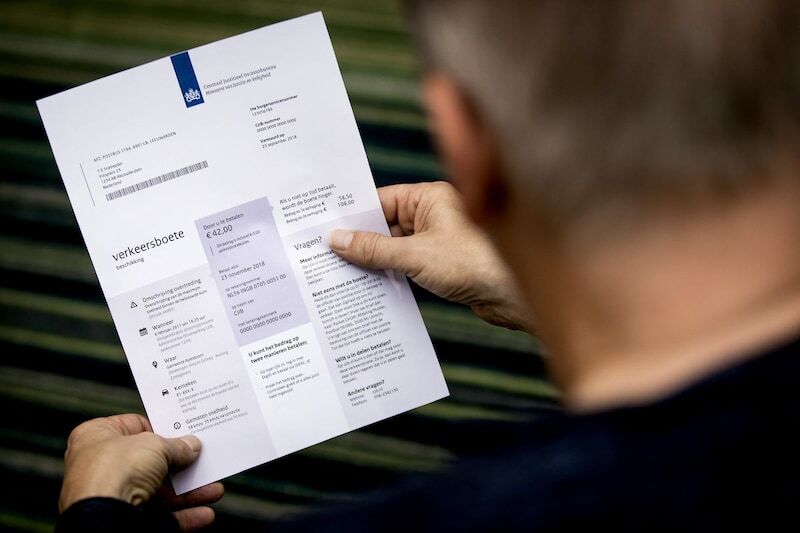
If you don’t pay your traffic fine on time, the amount can triple due to legal increases. Why is the government allowed to impose such huge increases, while debt collection agencies are bound by strict rules? Politicians and experts are questioning the fairness of this.
If you get a speeding ticket of €300 and don’t pay it within eight weeks, the fine is increased by 50 percent to €450. If you still don’t pay, you will receive a second reminder. The total amount is then doubled again to €900, three times the original fine. The increases are legally established.
According to Nadja Jungmann, this is not really fair. She is a lecturer and professor specializing in debt and collection. “With a legal perspective, you can ask whether these types of increases are reasonable and proportional. You can also ask whether they are not too high compared to the additional costs that ordinary companies are allowed to charge.” Due to strict rules, creditors or ordinary debt collection agencies may not charge more than 15 percent in costs. These rules are there to prevent people with debts from being pushed even deeper into trouble. But these rules do not apply to the government.
Traffic fines are an important source of income for the Ministry of Justice, outgoing minister Foort van Oosten wrote in a letter to the House last week. The fine amounts increase every year to fill gaps in the ministry’s budget. According to the TV program Kassa , increases generated 135 million euros for the ministry last year. Therefore, Van Oosten is not in favor of a reduction.
People Cannot Afford Increases
“I think it’s fine to impose an increase on someone who doesn’t want to pay,” says lawyer Roelof de Nekker. “But I see that these increases also end up with people who cannot afford to pay.” The Central Judicial Collection Agency (CJIB) is the implementing organization designated by the government to collect fines. The CJIB is obliged to implement the law, but according to a spokesperson, it sees the problems that the legislation surrounding increases causes for people.
These problems are also known to De Nekker. “I have trouble with the fact that increases are imposed on people who cannot afford to pay the fine. They cannot afford the initial amount, let alone the increases or ultimately a bailiff.” That is why outgoing CJIB director Albert Hazelhoff argued last week in an interview with the Leeuwarder Courant that the percentages by which fines are increased after the payment term should be significantly reduced.
CJIB Sees Problems That Politics Does Not Want to Solve
“The CJIB has been working for years to create more space within its legal obligation implementation. For example, to be able to offer customized solutions for people with financial problems or problematic debts,” says Jungmann. “Now, for example, you can arrange a payment plan, press a pause button, and the CJIB can even reverse the increases. The CJIB did not have these options before.” However, lawyer De Nekker points out that people must contact the CJIB themselves to be eligible for these measures. “Whoever does not contact us is out of luck, and I see that people with financial problems often do not seek contact.”
According to Jungmann, the political discussion about the large increases has not yet been completed with the customized options that the CJIB now has. According to her, the collection policy is only the implementation of the legal obligations that the CJIB has. “Can you blame the implementing organization for implementing the law, or should you blame the legislator for not amending the law?” Jungmann miracles. According to her, the increases that the CJIB must charge to defaulters is therefore really a political choice.
“`